Trump’s math sounds simple: help the government uncover $1 billion in fraud, pocket $10 million. The Justice Department’s own published program offers anticipated rewards of $10,000 to $30,000.
How the Program Works
The administration rolled out the Fraud Whistleblower Incentive Program on October 20, 2026, with the Justice Department set to administer it.
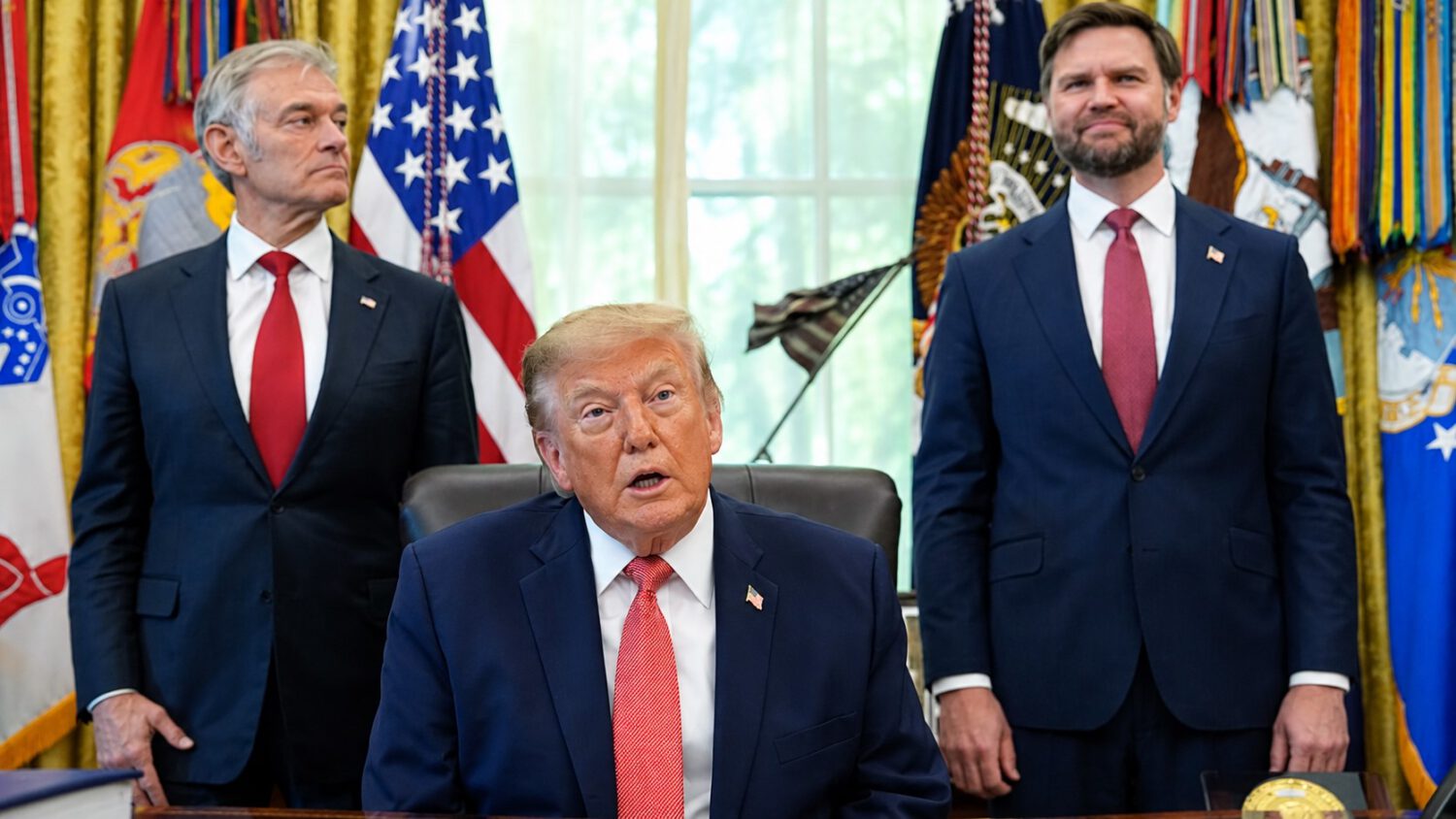
Vice President JD Vance joined President Trump at the Oval Office for the announcement. Tips are submitted through america.gov/fraud, and the program is administered by the Justice Department.
The DOJ’s published program materials describe eligibility as turning on whether a tip leads to criminal charges, with payment anticipated at or around the charging stage. “If you turn somebody in and you, let’s say, report and you find $1 billion, we are giving a commission to that person of 1%,” Trump said during the announcement, as reported by AP.
The program draws from a total funding pool of $25 million committed by the Treasury Department, according to The Hill.
Where the Numbers Stop Adding Up
Trump’s public remarks described an uncapped 1% commission, while the DOJ’s formal rules tell a different story.
Trump suggested the 1% reward carried no ceiling, even in cases involving billions of dollars, according to AP and USA Today. The DOJ’s published program, however, sets anticipated individual awards at $10,000 to $30,000, with the final amount determined at the department’s sole discretion. If you’re concerned about paying too much or receiving too little, the gap between public promises and formal terms deserves close scrutiny.
A second discrepancy sits underneath that one. USA Today reported that Trump said payment would follow when the government recovered the money. The DOJ’s formal rules, by contrast, tie eligibility to tips leading to criminal charges. That is a different and earlier standard than recovery of funds.
The formal program does not establish a 1% reward formula. Treat Trump’s public 1% figure as a statement of intent, not a binding program condition.
Governance Questions Worth Watching
Trump’s stated role in resolving competing claims raises questions about how the program will operate in practice.
Trump said he would personally serve as arbitrator when multiple tipsters claim credit for the same information, according to AP. Other reporting indicates he described that arbitration as binding. The DOJ’s published materials, by contrast, place award decisions within the department’s sole discretion and do not identify Trump as the formal adjudicator.
The program’s credibility will depend on transparent eligibility criteria, anti-retaliation protections for tipsters, and a clear process for resolving competing claims. Broader concerns about how government health, financial, and legal data is governed add further context to those unanswered questions. Those questions are not fully addressed in the materials published as of the announcement date.
What You Need to Know Before Submitting a Tip
The program is live, but the distance between Trump’s public promise and the DOJ’s published terms is significant.
Tips can be submitted at america.gov/fraud. The DOJ has published formal program terms describing anticipated awards of $10,000 to $30,000, subject to departmental discretion, triggered by tips that lead to criminal charges. That structure does not reflect the uncapped percentage-based commission Trump described publicly. Until further guidance clarifies whether any additional reward mechanism exists, the DOJ’s published range is the reward structure you should expect.