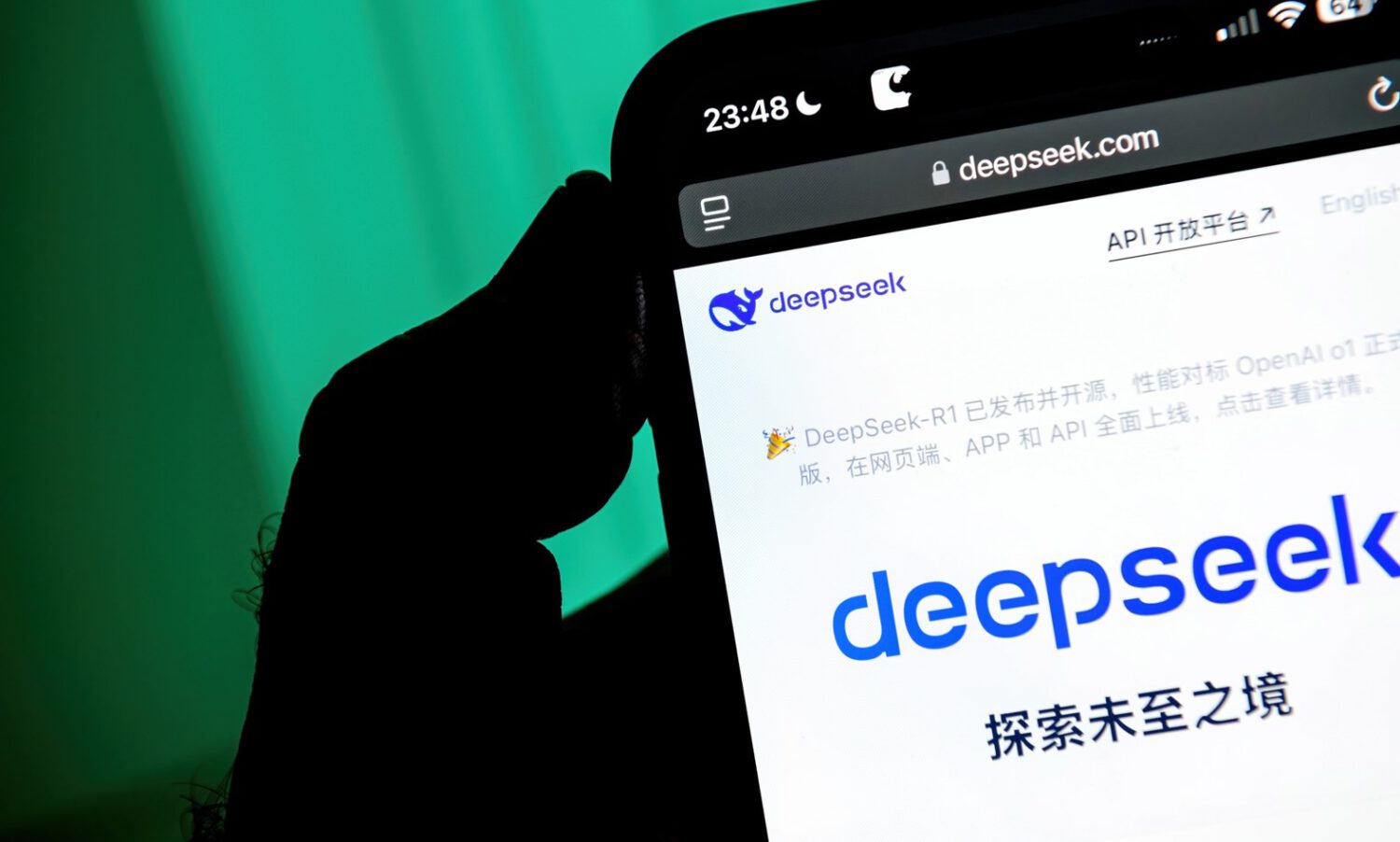
The order was signed in July. The public found out in October. The Department of Homeland Security issued its directive on July 24, 2026, ordering federal civilian agencies to remove DeepSeek products from their IT systems and halt all procurement of DeepSeek products and services. It was not publicly disclosed until October, through a DHS notice and Federal Register publication.
This is not a nationwide ban. It applies to federal civilian agencies under DHS authority, not to consumers or the general public, though private vendors that supply AI software to federal agencies may also be affected.
What the Order Actually Covers
The directive reaches further than DeepSeek’s own chatbot, extending to affiliates and software built on its technology.
The order covers DeepSeek, its affiliates, and any third-party product or service developed using DeepSeek implementations. A vendor’s software may fall under the order even if the word DeepSeek appears nowhere in the product name.
Agencies have 60 days from the July issuance date to submit written exception requests, including requests for additional compliance time. The legal authority behind the directive is the Federal Acquisition Supply Chain Security Act of 2018. The Department of Defense is not covered by this particular order.
Why DHS Acted: The Security Rationale
DHS cited server location in China, potential data transfers, user tracking, and documented vulnerabilities in DeepSeek’s iOS application.
DHS stated that DeepSeek’s AI models “present multiple threat vectors.” The department’s core concern is geography. DeepSeek’s servers are located in China, where Chinese authorities could potentially access company infrastructure and sensitive U.S. government data.
Beyond server location, DHS warned that DeepSeek applications may collect personally identifiable information, track or digitally fingerprint users, and transfer sensitive government data to China. The department also cited publicly available research identifying critical vulnerabilities in DeepSeek’s iOS application. These are assessed potential risks, not confirmed incidents of data transfer or proven misconduct.
Beijing Pushes Back
China’s Foreign Ministry condemned the order as a politicization of science and technology, vowing to defend Chinese companies’ interests.
China’s Foreign Ministry spokesperson Mao Ning said Washington was expanding the concept of national security and politicizing science, technology, and trade. Mao stated that China would “resolutely safeguard the legitimate rights and interests of Chinese companies.” Chinese officials characterized the measure as an attempt to suppress Chinese technology under a national security pretext. DeepSeek had not responded to requests for comment at the time of publication.
What It Means for AI Vendors
If your company sells AI software to federal civilian agencies, the order’s scope warrants a close review of your product stack.
A product built using DeepSeek implementations may fall under the directive regardless of how it is branded or marketed. That creates real pressure around model provenance, supply-chain disclosure, and vendor due diligence in federal contracting.
The Broader Pattern
This directive fits a widening federal effort to scrutinize the origins of AI components used in government technology.
The DeepSeek order specifically names a Chinese provider and its derivative implementations, reflecting a targeted approach to supply-chain risk rather than a broad restriction on AI tools generally. Federal AI procurement requirements could become more specific about model origin, data governance, and derivative-technology disclosure as this scrutiny expands. The 60-day exception window gives agencies a defined deadline to assess their AI vendor stack and determine whether any covered implementations remain in use.