The information in this article is provided for educational purposes and does not constitute specific medical advice or substitute for professional diagnosis or treatment. Always consult your healthcare provider before beginning any new intervention, particularly if you have a complex medical history or are taking medication. Individual results may vary. This article may contain affiliate links.
MY TOP PICK
Nuropod – The only VNS (Vagus Nerve Stimulation) device with a substantial independent evidence base specifically relevant to gut-brain regulation. Most people dealing with persistent gut symptoms should start here.
If you’ve already done the work – the elimination diet, the food diary, the probiotics, the specialist who found nothing alarming and sent you home anyway – this article is for you.
Most people with persistent gut symptoms have never been told this: digestion doesn’t run itself.
There’s a nerve – the vagus nerve – that acts like a control cable between your brain and your gut. It coordinates how your gut moves food through, how loudly your brain registers ordinary digestive sensations, and whether your entire digestive tract operates in a calm, regulated state or a reactive, hair-trigger one.
When it’s functioning well, your gut is predictable. When it’s not, after sustained stress, a bad infection, or prolonged illness, your gut can become dysregulated in ways that no elimination diet will ever fully help.
This is where vagus nerve stimulation comes in.
VNS devices deliver a precise electrical signal to the vagus nerve, nudging your parasympathetic nervous system back toward the kind of tone that keeps gut function settled. The research is substantive enough to take seriously, particularly if your symptoms flare with stress, began after an infection, or are accompanied by signs that your nervous system is involved.
But not all VNS devices are built the same. And if you’re dealing with real, persistent gut symptoms, the differences between them matter enormously.
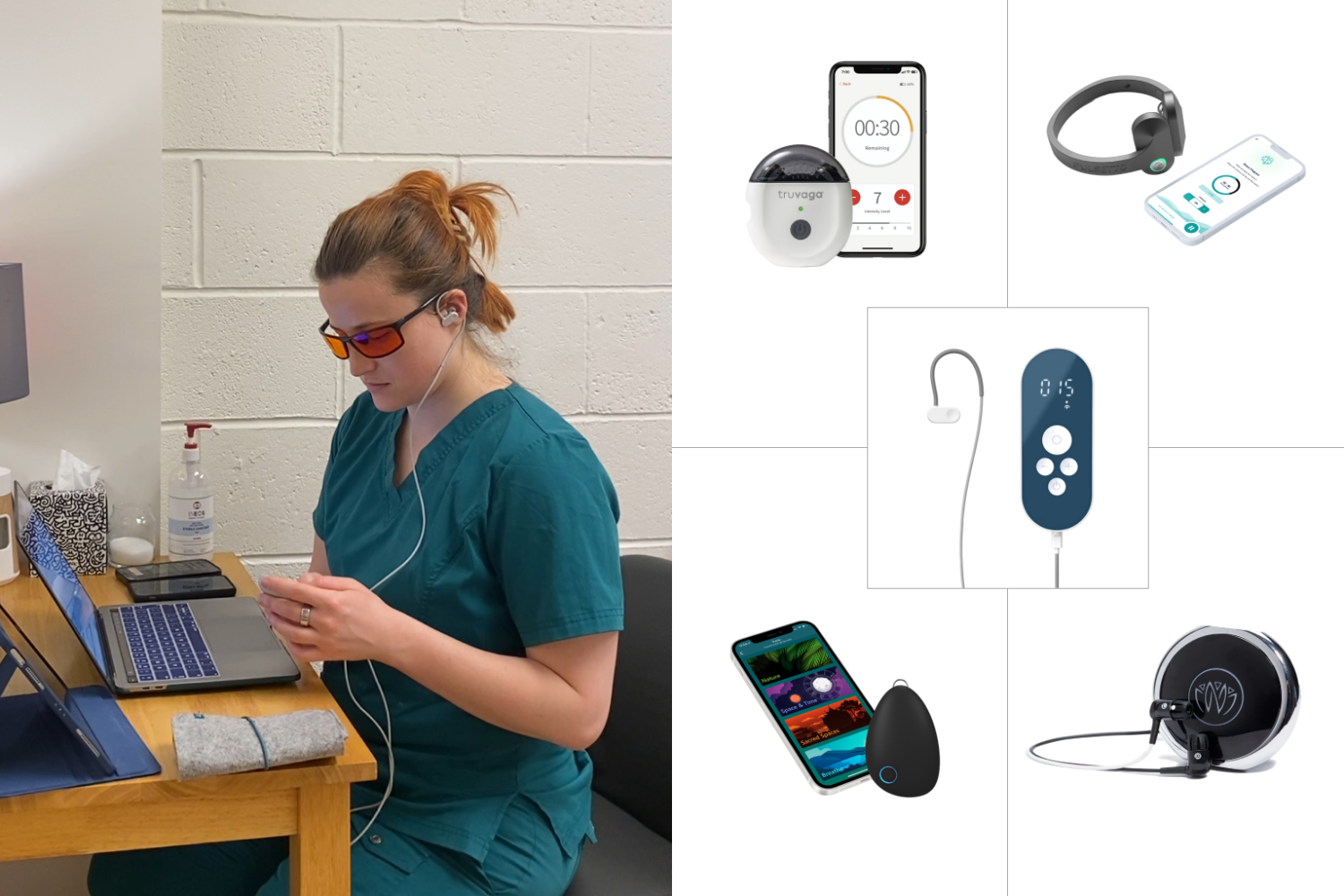
Here are the five most visible devices on the market, evaluated specifically for gut-brain regulation.
Quick Comparison
| Device | Type | Gut Evidence | Price | Bottom Line |
| Nuropod | Auricular VNS | Strong | ~$900 | Best overall for gut-brain regulation |
| Truvaga Plus | Cervical VNS | Limited | $499 | Good for general stress support |
| Pulsetto | Cervical VNS | None peer-reviewed | $269 | Budget entry point |
| Neuvana Xen | Auricular VNS | Limited | ~$499 | Right access point, limited gut evidence |
| Sensate | Infrasonic vibration | None | $299 | Not VNS – good for relaxation only |
How I Ranked These Devices
In scoring each device out of 5, I considered: quality of peer-reviewed evidence, relevance to gut-brain outcomes, anatomical target, device certification and regulatory status, stimulation parameters, practicality, and price and ongoing cost.
1. Nuropod – Best Overall
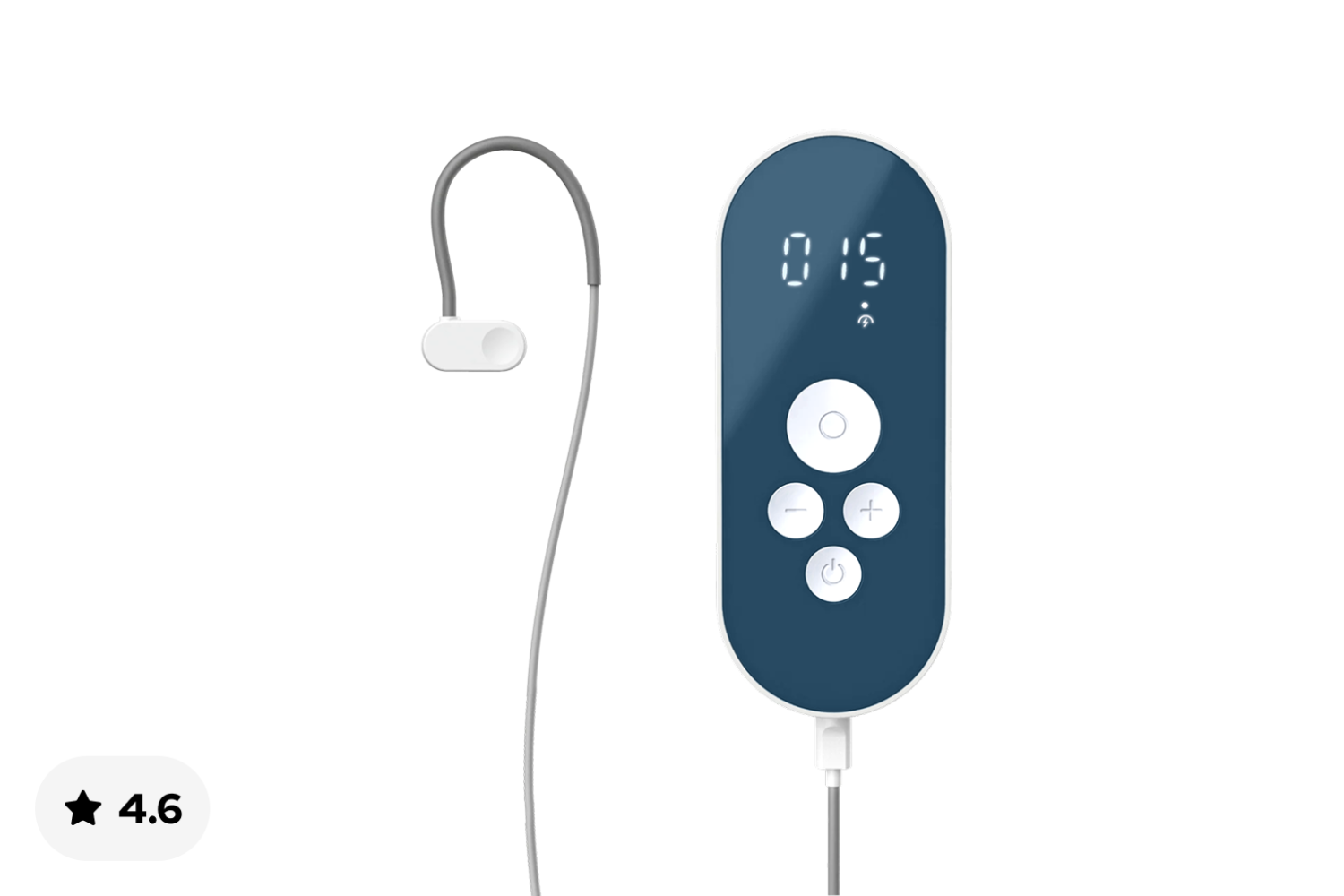
★★★★⯨ 4.6/5
Nuropod is a wearable that delivers a calibrated electrical signal to the auricular branch of the vagus nerve through a small clip worn on the ear.
The outer ear is the only place where a branch of the vagus nerve reaches the body’s surface – making it the most direct access point for non-invasive vagal stimulation. Nuropod targets this branch using proprietary AVNT™ (Auricular Vagal Neuromodulation Technology), developed over 10+ years in collaboration with Harvard, Yale, and UCLA.
I tried Nuropod myself first – initially for sleep disruptions and digestive discomfort. I found the sessions deeply relaxing, and the results consistent enough that I began recommending it to select clients.
In scientific studies, this approach has been associated with improvements in heart rate variability (a validated marker of vagal tone), reductions in visceral hypersensitivity, improvements in bowel regularity, and decreases in tiredness and anxious thoughts that commonly accompany persistent digestive disorders.
These aren’t general relaxation outcomes – they reflect actual changes in the gut-brain regulatory system.
For someone who has already addressed dietary and microbiome factors but continues to experience persistent symptoms, this distinction becomes particularly important. Of the devices reviewed, Nuropod has the most directly relevant evidence base for this specific use case.
Pros:
✅ Most researched auricular VNS device available without prescription
✅ 60+ completed scientific studies – collaborations include Harvard, Yale, UCLA
✅ Third-party certified device
✅ No gel, no app, no prescription required
✅ 30-minute daily sessions – wearable during normal activities
✅ 30-day money-back guarantee
Cons:
❌ $900 – highest upfront cost in this category
❌ Wired – not wireless
Bottom Line: If gut-brain dysregulation is genuinely part of your picture, Nuropod has the most compelling evidence base of anything currently available without a prescription. The price is real, but so is the research.
2. Truvaga Plus – Best for General Autonomic Support
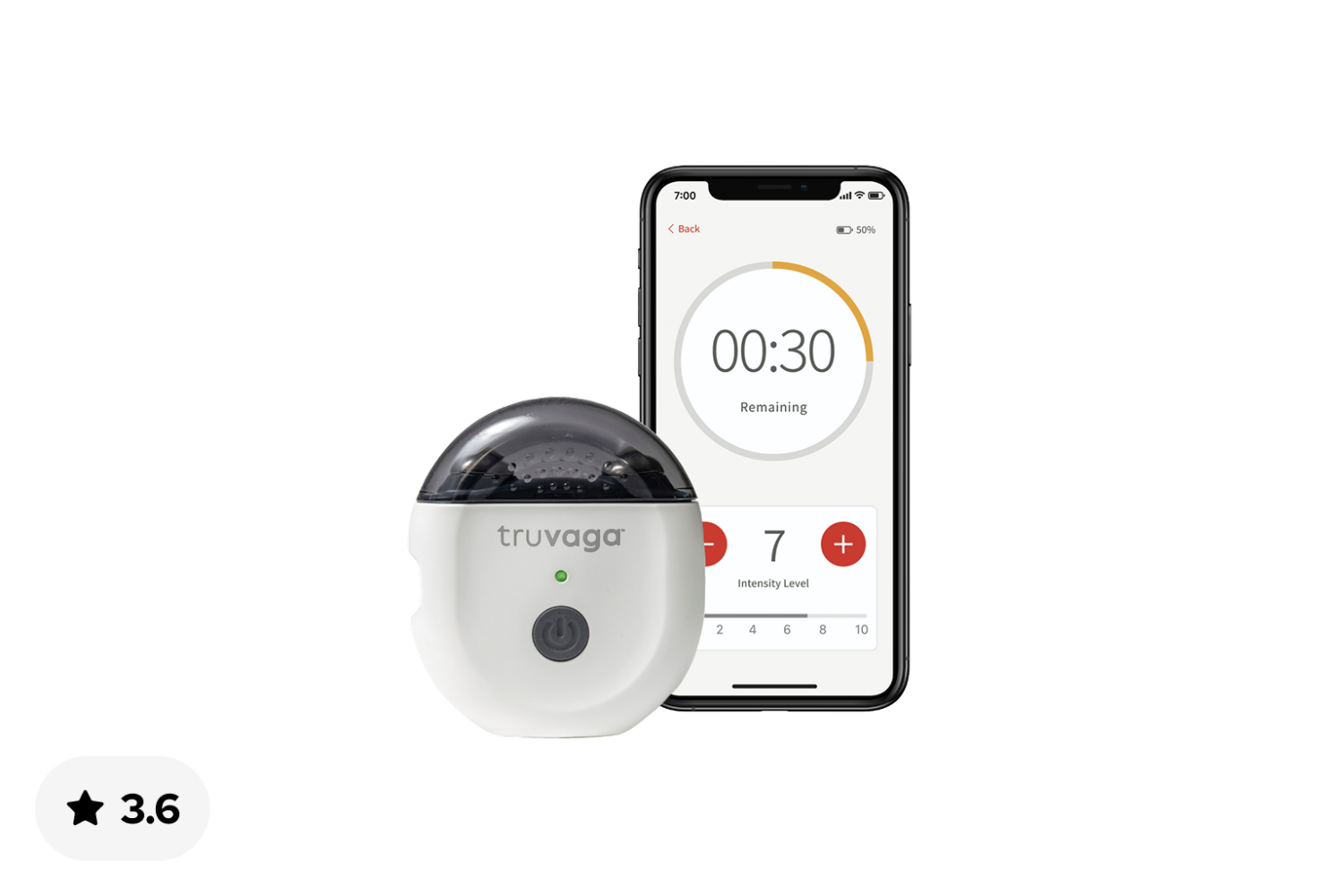
★★★★☆ 3.6/5
Truvaga Plus is a handheld device that stimulates the vagus nerve by placing electrodes against the side of the neck. It shares core technology with gammaCore – a device with FDA clearance for cluster headache and migraine – which gives it a recognisable regulatory lineage.
The neck-based approach does engage the vagus nerve, but at a location where multiple nerve structures run in close proximity. This makes precise vagal targeting harder to achieve than with ear-based stimulation. Some users report neck muscle contraction and facial pull – minor for most, but worth knowing about.
Published evidence examining Truvaga’s effects specifically on gut symptoms is limited. It is a credible device for broader stress and autonomic support, but for gut-focused outcomes, the evidence gap is a meaningful consideration.
Pros:
✅ Shares technology with FDA-cleared gammaCore
✅ App-connected with adjustable intensity
✅ Rechargeable
✅ Established regulatory lineage
Cons:
❌ Neck stimulation – less precise than ear-based approaches
❌ Side effects include neck muscle contraction and facial pull
❌ No peer-reviewed evidence for gut-brain outcomes specifically
❌ Requires ongoing conductive spray purchase (~$40+/year)
❌ FDA clearance does not cover digestive disorders
Bottom Line: A legitimate device for general stress and autonomic support. Not the first choice if gut-brain regulation is your primary goal.
3. Pulsetto – Budget Entry Point
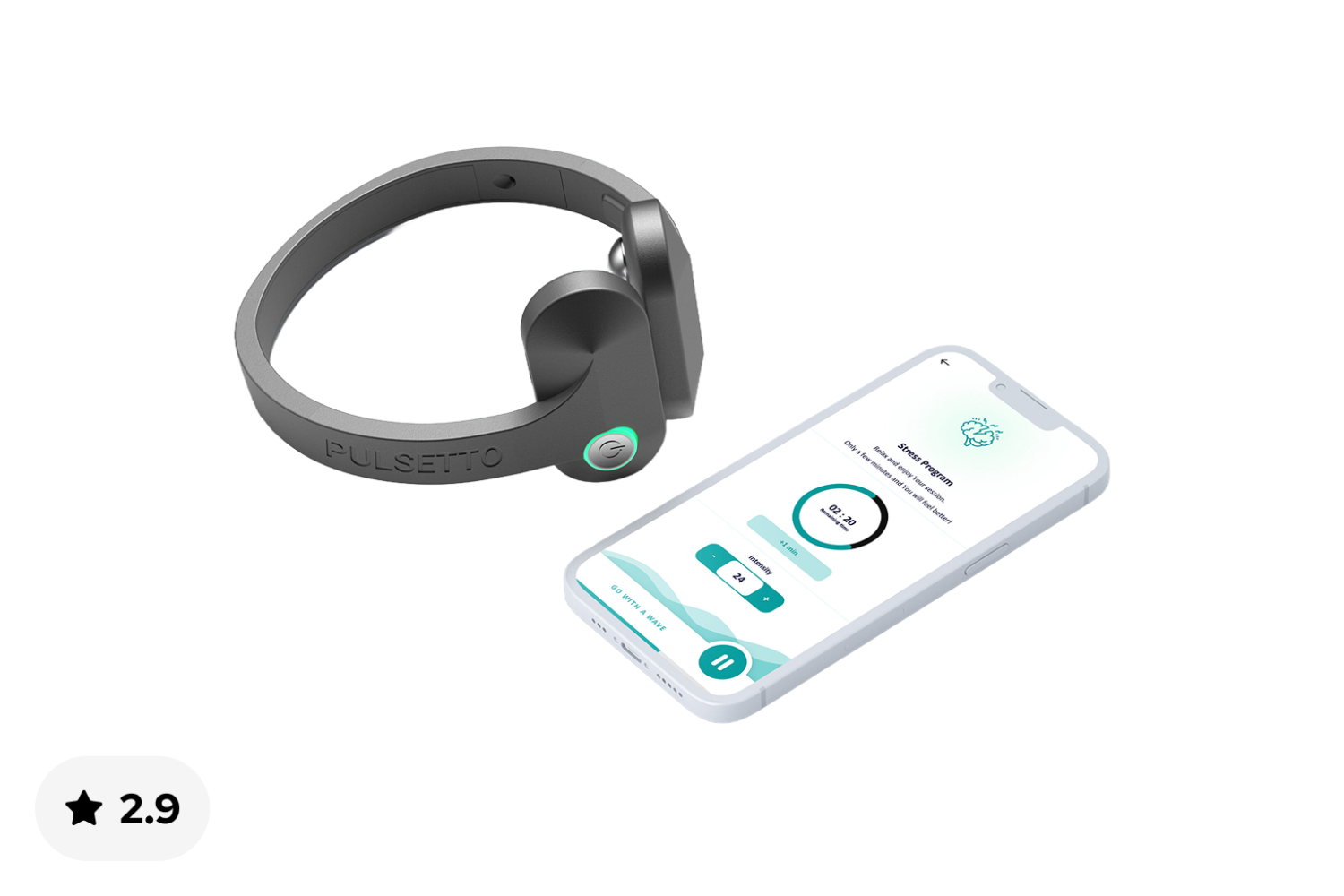
★★★☆☆ 2.9/5
Pulsetto is a hands-free collar worn around the back of the neck. It connects via Bluetooth to a companion app and delivers stimulation across five programs, each lasting around four minutes.
At the lowest price point in this category, it’s an accessible starting point for anyone curious about vagus nerve stimulation. The hands-free design is genuinely practical.
The limitation is the evidence. Published research specifically examining Pulsetto’s effects on gut-brain regulation or digestive outcomes is not available in peer-reviewed form. Materials currently accessible relate primarily to general stress and relaxation, and are largely company-commissioned rather than independently reviewed.
For someone managing a chronic health symptom, a lower price point alone doesn’t bridge that evidence gap.
Pros:
✅ Lowest upfront cost in this category
✅ Hands-free collar design – convenient
✅ App-connected with multiple programs
✅ HSA/FSA eligible in the US
Cons:
❌ No peer-reviewed evidence for gut-brain outcomes
❌ Neck-based stimulation – anatomical precision limited
❌ Research largely company-commissioned
❌ Gel required – adds (~$80+/year)
Bottom Line: A reasonable starting point for general stress management. For persistent gut symptoms specifically, the absence of gut-relevant evidence is a real limitation.
4. Neuvana Xen – Right Access Point, Limited Gut Evidence
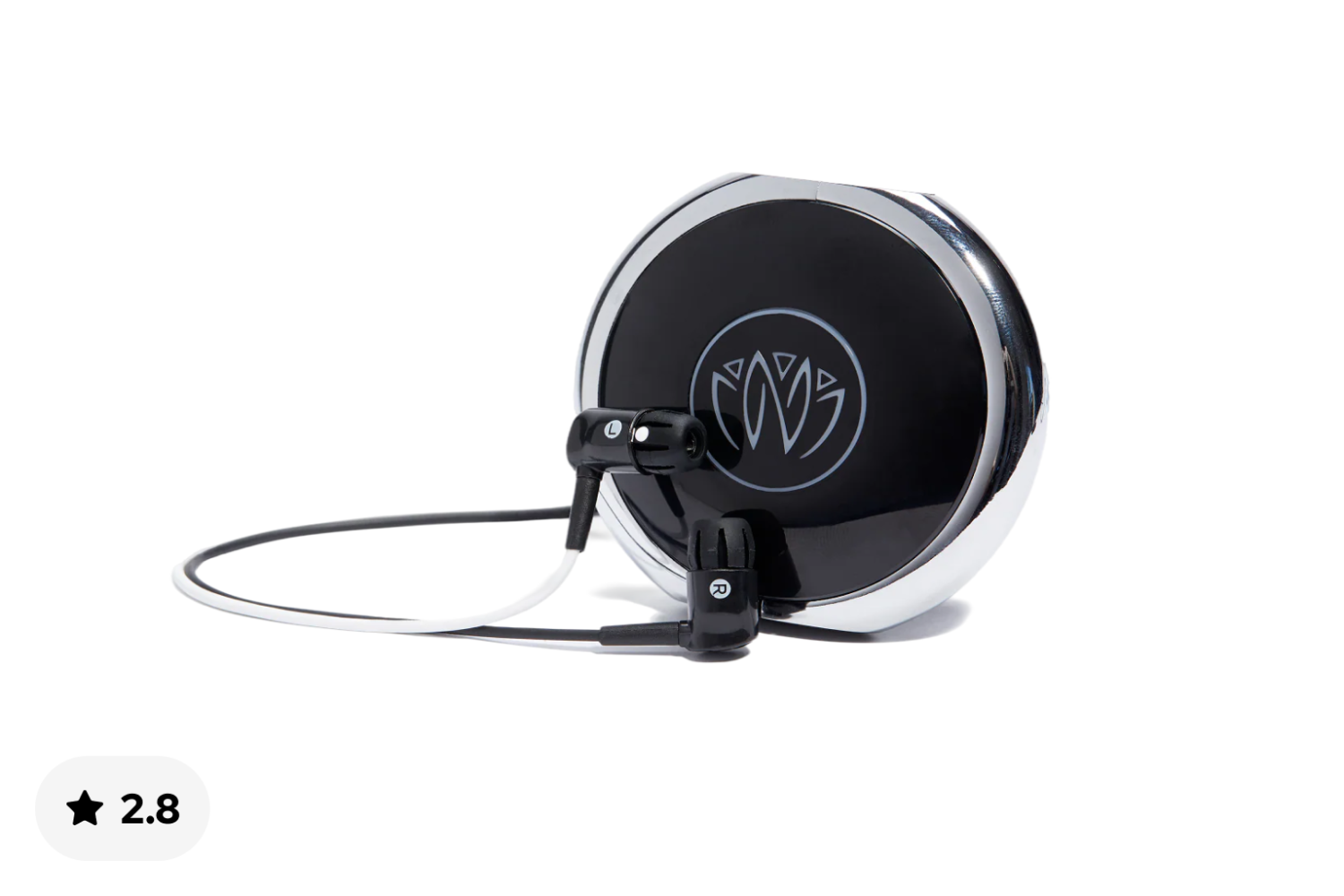
★★☆☆☆ 2.8/5
Neuvana Xen delivers auricular vagus nerve stimulation through headphones, targeting the left ear via micro-pulse electrical stimulation synchronised with music. As an ear-based device, it targets the same access point as the most studied VNS approaches – a genuine advantage over neck-based devices.
The limitation is the evidence base. The stimulation parameters – waveform, intensity, duration, precise placement – matter significantly in whether ear-based stimulation meaningfully engages the vagal pathway. These variables are not as thoroughly documented or independently validated for Xen as they are for well-established, purpose-built devices.
For someone drawn to auricular stimulation in an accessible, everyday format, Xen is thoughtfully designed. For persistent gut symptoms where meaningful vagal engagement matters, the evidence gap relative to more validated auricular devices is a real consideration.
Pros:
✅ Auricular stimulation – correct anatomical access point
✅ Enjoyable user experience – syncs with music
✅ Adjustable intensity
✅ Multiple bundle options
Cons:
❌ Limited independent peer-reviewed evidence
❌ Stimulation parameters not independently validated
❌ Positioned more firmly in consumer wellness than scientific application
Bottom Line: A pleasant, accessible auricular option. For gut-specific outcomes, the evidence gap compared to purpose-built devices is meaningful.
5. Sensate – Relaxation Tool, Not VNS
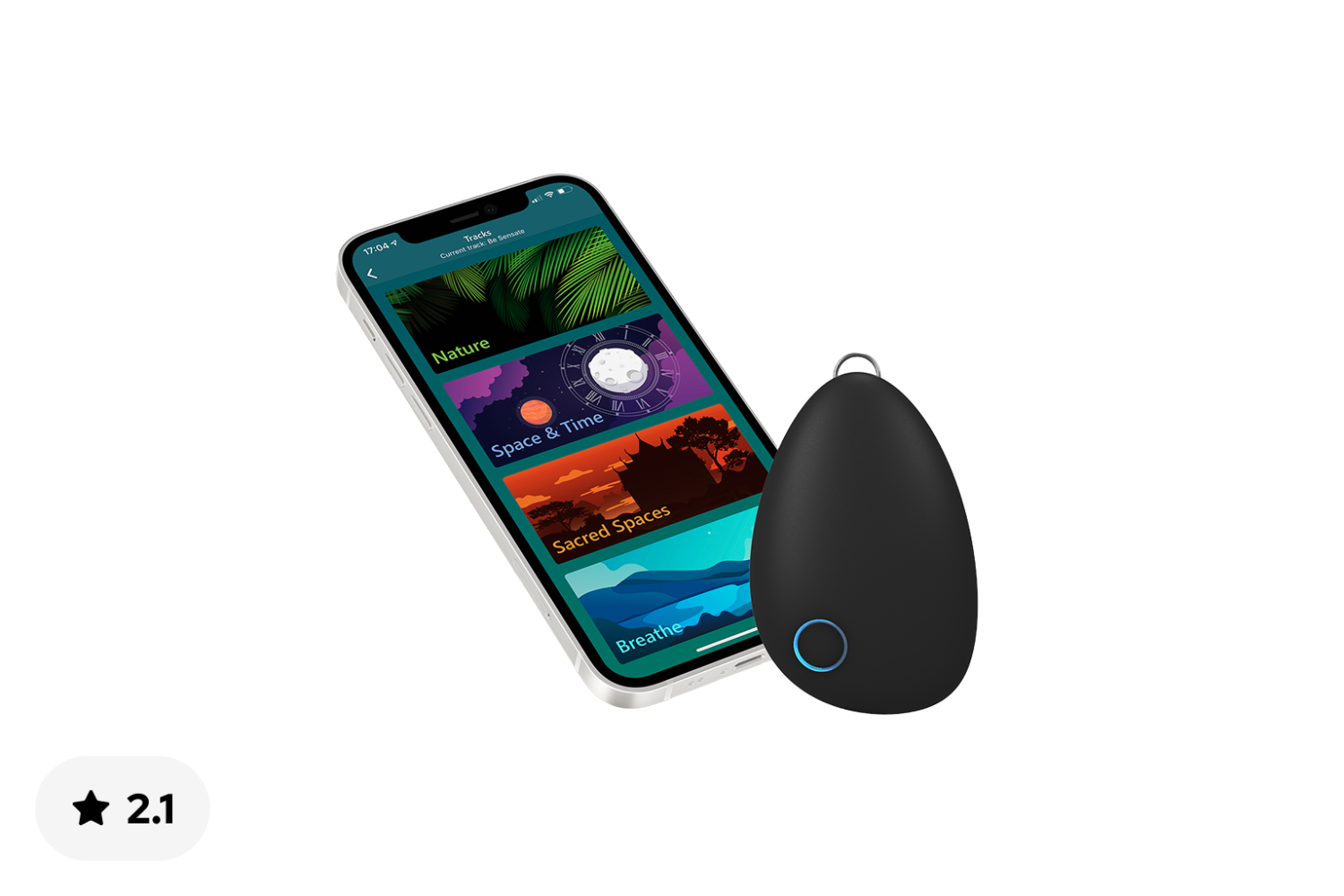
★☆☆☆☆ 2.1/5
Sensate uses infrasonic vibration – low-frequency sound waves below audible hearing – via a pebble-shaped device placed on the chest. It is not an electrical VNS device. The mechanism is general resonance and relaxation, not direct vagal stimulation.
Many people find it genuinely calming, and as a relaxation tool it has a legitimate place. But for someone specifically trying to address gut-brain dysregulation – impaired motility, visceral sensitivity, gut immune behavior – Sensate does not work through the mechanisms the research points to.
No published studies have demonstrated efficacy for gut-brain dysregulation or functional digestive outcomes.
Pros:
✅ Comfortable and pleasant to use
✅ No electrical stimulation required
✅ Accessible price point
✅ Useful as a general relaxation complement
Cons:
❌ Not electrical VNS – fundamentally different mechanism
❌ No scientific evidence for gut-brain dysregulation
❌ Does not engage the vagus nerve directly
❌ Subscription required for full app access ($299 upfront + $50/year)
Bottom Line: A good relaxation tool. Not a VNS device in any scientific sense, and not built for gut-brain regulation.
How to Choose the Right Device for Gut Symptoms
Not every VNS device is built for gut symptoms. Many are designed for the general wellness market – people looking to take the edge off stress, sleep better, feel calmer. That’s a legitimate use case. It’s just a different one.
Three things separate the credible options from the rest when gut-brain regulation is the goal:
The access point matters. Ear-based stimulation reaches the vagus nerve more directly than neck-based stimulation. For consistent, targeted vagal engagement over time, this is a meaningful difference.
The stimulation parameters matter. Waveform, intensity, duration, and exact placement all influence whether the stimulation meaningfully engages the relevant vagal pathway – not just produces a sensation.
The evidence base matters. Not just evidence for vagal stimulation broadly, but evidence for the outcomes that are actually relevant here. A device with strong evidence for stress reduction isn’t automatically a device with strong evidence for bowel symptom management.
It’s also worth saying that VNS works best as part of a broader gut-brain support strategy, not as a standalone fix. If this is something you’re seriously considering, a provider familiar with the gut-brain axis is better placed to assess whether it’s a relevant addition to your current approach and what to realistically expect from it.
Final Verdict
For persistent gut symptoms where gut-brain dysregulation is meaningfully involved, Nuropod has the most directly relevant evidence base of any device currently available without a prescription. The ear-based access point and the depth of independent research together make it the most defensible choice in this category.
Truvaga Plus is a credible second option for broader autonomic and stress support. Pulsetto is an accessible starting point if budget is the primary constraint. Neuvana Xen and Sensate serve different purposes and different audiences.