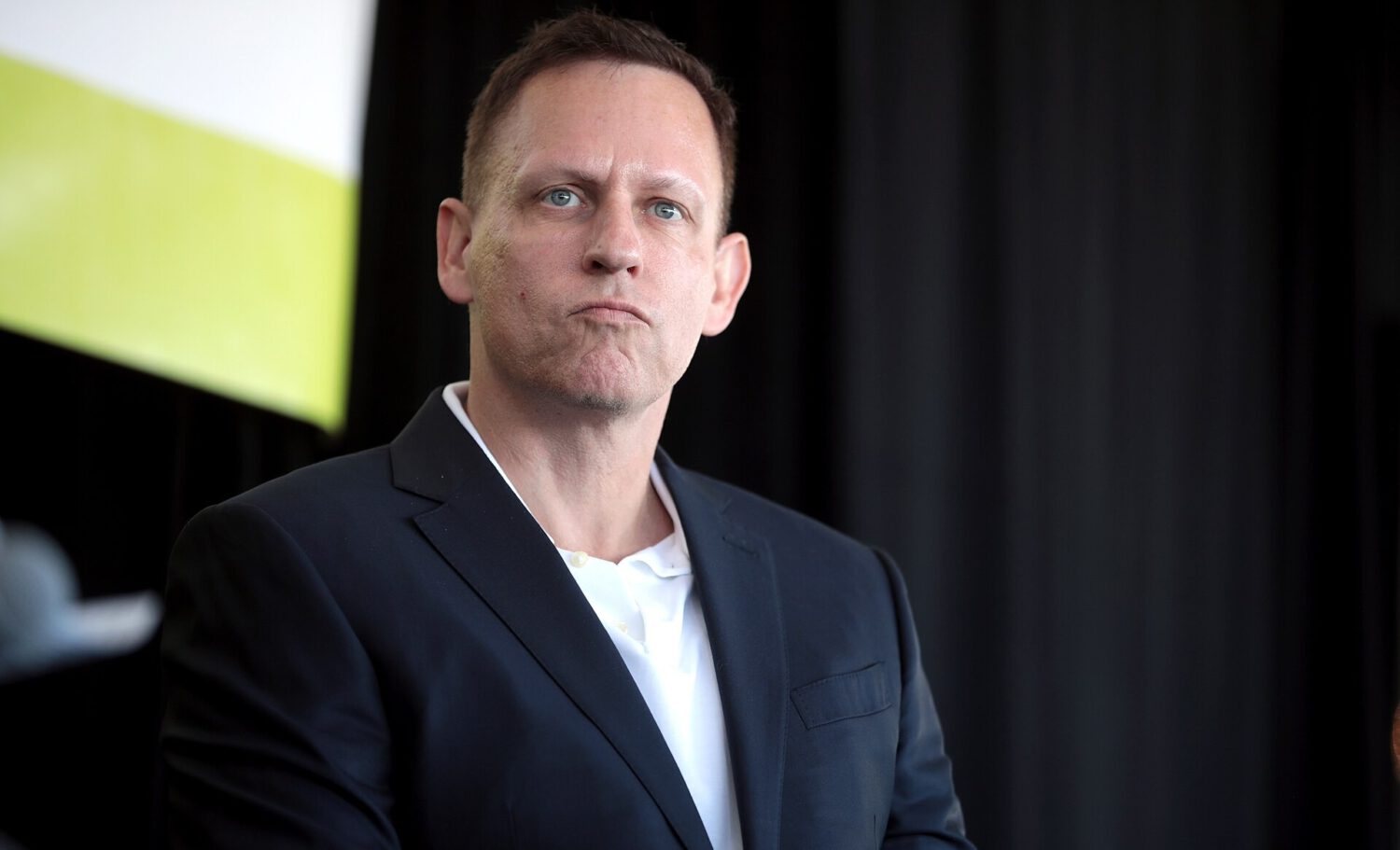
In closed-door Nashville lectures recorded and obtained by Decoded by POLITICO, Peter Thiel accused both Barack Obama and Pope Leo XIV of weaponizing public anxiety about artificial intelligence to boost their own standing.
The remarks place Thiel, one of Silicon Valley’s most prominent voices against AI regulation, at the center of an increasingly fractured debate over who gets to shape the rules governing the technology.
Thiel’s Argument
Private recordings reveal Thiel’s claim that AI’s political unpopularity makes it useful cover for figures seeking influence.
According to recordings obtained by Decoded by POLITICO, Thiel argued that “AI is politically unpopular” and that “both Obama and the pope fall into this category” of figures positioned to exploit that sentiment for personal or institutional advantage.
On Obama, Thiel reportedly claimed that Democrats lack compelling ideas but can still mobilize opposition by targeting AI. Those remarks followed Obama’s reported call for Democrats to build a more comprehensive framework for discussing AI policy.
Thiel’s criticism of Pope Leo XIV was more pointed and more speculative. He allegedly suggested the pope’s focus on AI could serve as a distraction from the Catholic Church’s sexual-abuse scandals. That is Thiel’s allegation, not an independently established explanation for the Vatican’s position on technology.
His broader argument connects AI regulation to fears of centralized political power. According to the recordings, Thiel framed regulatory oversight as a potential path toward what he described as a “one world government.” That framing invokes his recurring warnings about Antichrist figures: leaders or systems that promise order while consolidating control.
What the Critics Actually Said
The pope’s documented AI position centers on human dignity, ethical responsibility, and the protection of children, not a blanket rejection of the technology.
In a message to participants at the Builders AI Forum, reported by Vatican News in November 2025, the pope called on AI developers to ground their work in human dignity, justice, solidarity, and the common good.
The Vatican does not reject AI outright. Pope Leo has described technological innovation as capable of serving humanity and the Church’s mission when guided by ethical principles.
Children are a particular focus of the pope’s documented position. In a November 2025 address on minors, he said young people are especially vulnerable to manipulation by AI algorithms and called for policies protecting their dignity and well-being, according to the Vatican. He also advocated for AI age laws and broader safeguards for minors in the digital space.
Obama’s position is less fully documented in available reporting. He reportedly urged Democrats to develop a clearer, more comprehensive AI policy framework, though the specifics of that call remain limited in what has been published.
The pope’s stated concerns center on manipulation, dignity, and child safety. Those motivations are substantively different from regulatory capture or the consolidation of political authority.
The Harder Question
Thiel’s warnings about regulatory overreach and the pope’s concerns about AI harm are not automatically incompatible, but the dispute leaves a central question unanswered.
Thiel’s concern that regulation could become a vehicle for political consolidation and the pope’s concern that AI is already harming vulnerable people are not mutually exclusive positions. Real harms exist and may demand enforceable safeguards; poorly designed rules can still be captured by the powerful. Whether any regulatory structure can thread that needle remains the question this dispute has not resolved.