At least 634 private drinking-water wells in northeastern Oregon test at unsafe nitrate levels, with more than 420 additional wells showing elevated concentrations linked to potential long-term health concerns. Some wells reportedly contain concentrations nearly ten times the federal drinking-water limit.
Amazon Data Services agreed to a proposed $20.5 million settlement to resolve claims alleging its operations contributed to that contamination, according to OPB reporting from March 31, 2026. The settlement is subject to court approval.
The Settlement
Amazon is one of 17 defendants named in Pearson v. Port of Morrow, a federal lawsuit filed in February 2024 by residents of Morrow County. Co-defendants include the Port of Morrow, Lamb Weston, Threemile Canyon Farms, Beef Northwest, and Portland General Electric, among others.
The proposed settlement carries no admission of liability or wrongdoing by Amazon. Plaintiffs’ attorneys said the funds will support private-well and public water infrastructure projects as well as litigation expenses and attorney fees, with preliminary approval sought in federal court.
How Water Gets From a Data Center to a Drinking Well
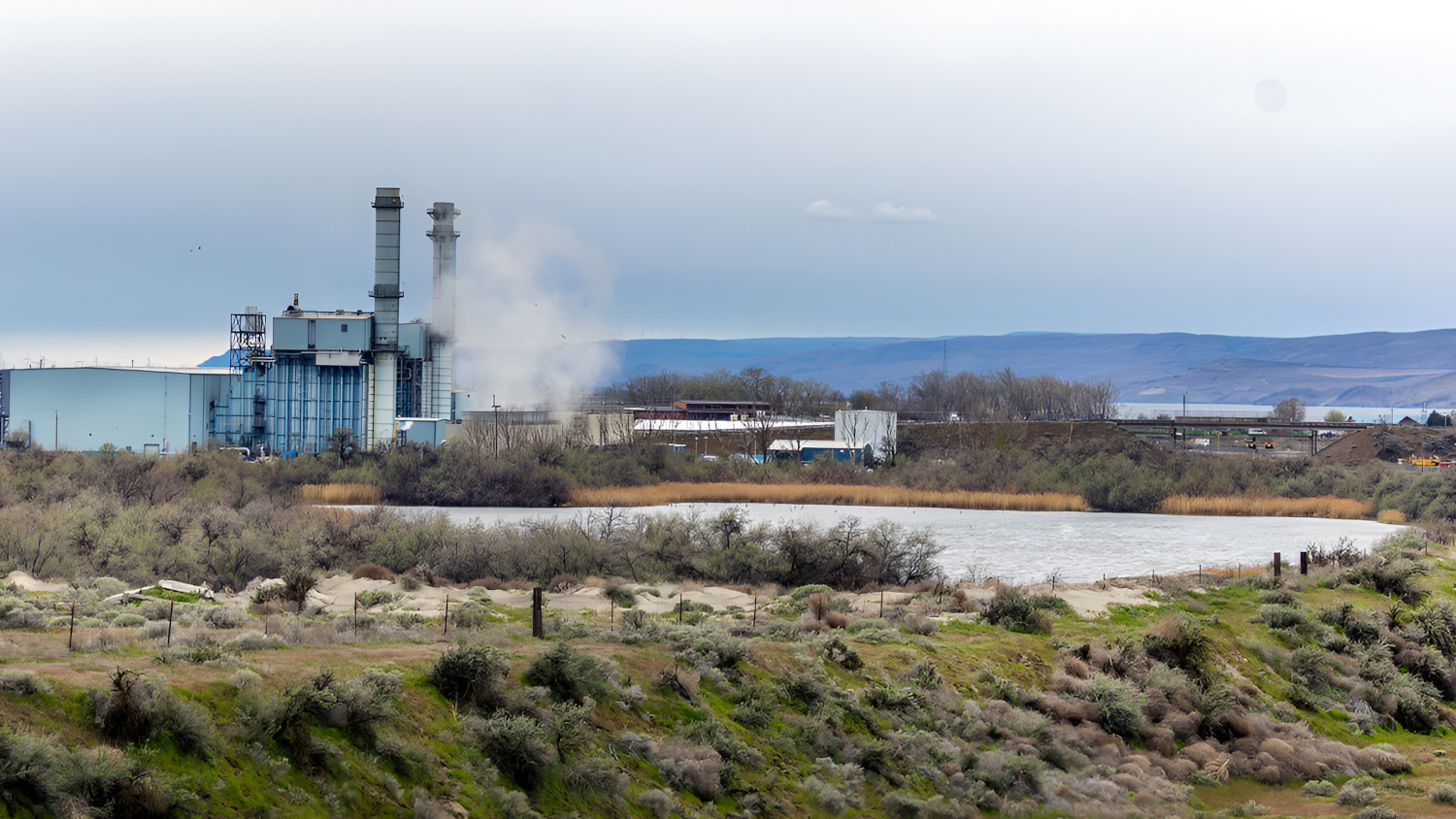
According to the complaint, data-center water used in Amazon’s data-center cooling operations at the Port of Morrow entered a shared wastewater stream that was sent to nearby farms for land application. Plaintiffs contend that operators overapplied the nitrogen-rich wastewater, particularly during winter months. That excess nitrate seeped through the soil and into the region’s shared aquifer, according to the complaint.
The proposed settlement does not establish Amazon’s legal responsibility for that process. Amazon spokesperson Kylee Yonas denied the company contributed to the contamination, saying the groundwater problems in eastern Oregon predated Amazon’s data centers, according to OPB. She said the company settled to avoid prolonged litigation and to direct resources toward community support.
Public-Health Scale
Oregon Health Authority data shows at least 634 domestic wells in the affected area test at unsafe nitrate levels, with more than 420 additional wells showing elevated concentrations tied to potential long-term health concerns. The federal drinking-water maximum contaminant level sits at 10 milligrams per liter, with particular acute risk for formula-fed infants.
The affected area spans northern Morrow County and northwestern Umatilla County. State and county agencies provide testing resources because many private wells in the region have recorded high nitrate levels.
What Comes Next
As of March 2026, litigation continues against the remaining defendants and the Port of Morrow. Plaintiffs’ claims for relief include a formal groundwater cleanup program, long-term health monitoring for exposed residents, and measures to ensure timely diagnosis and treatment of illnesses potentially linked to nitrate exposure.
Plaintiffs’ attorneys described Amazon’s payment as an initial step, not a resolution of the regional contamination problem. The case highlights how data-center water use can intersect with regional wastewater and groundwater systems in ways that extend well beyond the facilities themselves.
Residents of the Lower Umatilla Basin Groundwater Management Area can obtain nitrate testing through the Oregon Health Authority. Qualifying households may also receive assistance with safe-water services, depending on test results and program criteria.