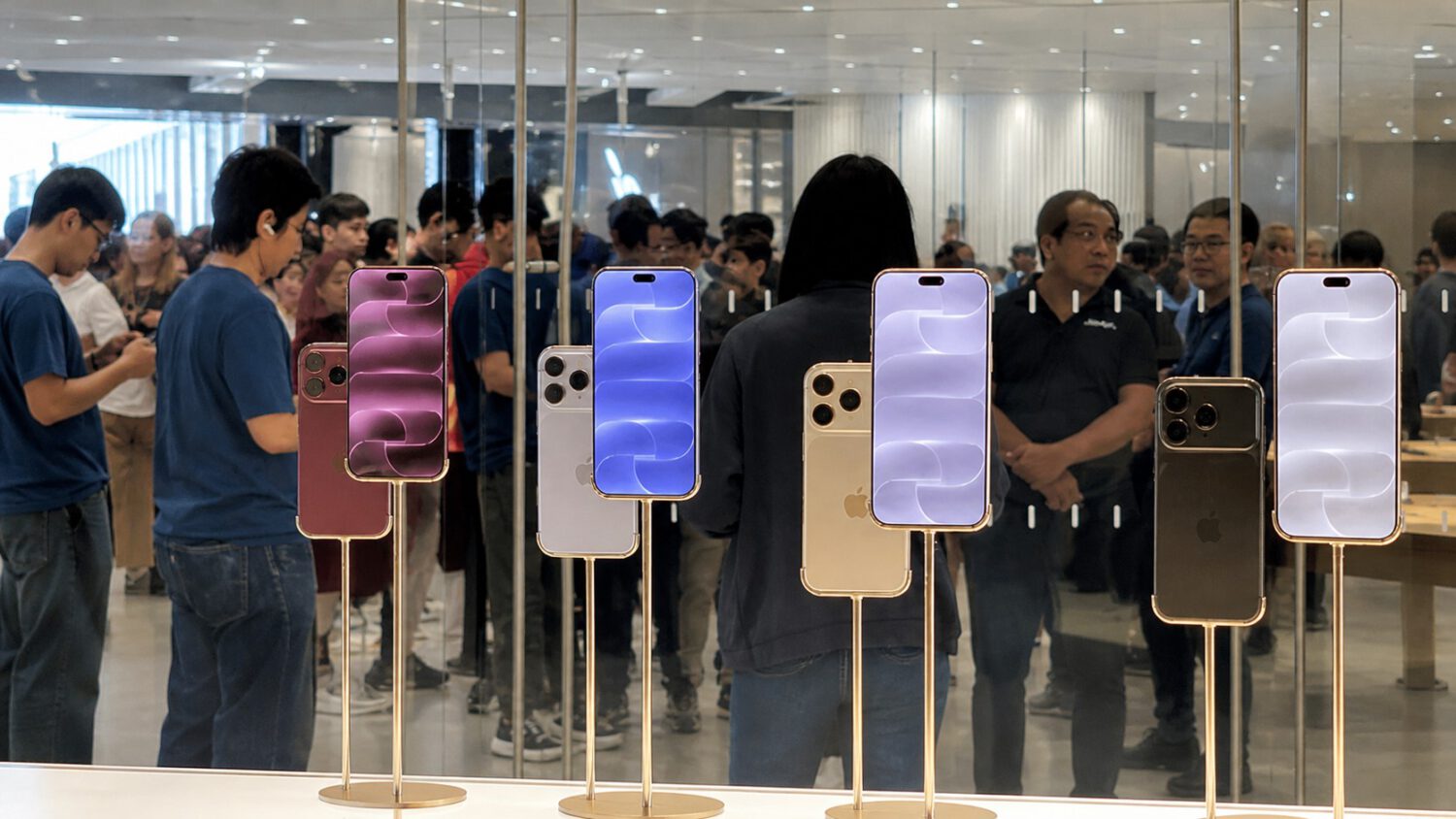
Apple shares fell more than 2.5% in early trading after Nikkei Asia reported that the company cut October component orders for the iPhone 18 Pro and Pro Max by at least 15% from original requests, with some accounts citing reductions of 15% to 20%. Apple has not confirmed those figures, and Reuters has said it could not independently verify the claims, which are sourced to people familiar with the company’s supply chain.
Memory Costs Squeeze Both Apple and the Buyer
Higher memory prices tied to AI data-center construction are pushing up what you pay for a flagship iPhone.
The iPhone 18 Pro starts at $1,199 and the Pro Max at $1,299, each up $100 over their predecessors. According to The Next Web’s account of a TrendForce estimate, components for a 256GB iPhone 18 Pro reportedly cost roughly 38% more than those in the comparable 2025 model, a gap driven largely by memory prices tightened by AI data-center construction.
Investors Connect the Dots Between Price Hikes and Softer Orders
A reported $100 price increase alongside a reported order cut made for an uncomfortable combination in early trading.
The investor logic is straightforward: if Apple is pulling back on component orders, demand may not have met the company’s own forecasts after the price increases landed. That reading is an interpretation, not a confirmed conclusion, but it was enough to move the stock. For competitive context, Pre-Order Records set by Samsung’s Galaxy S25 earlier this year underscored how sensitive flagship demand can be to pricing signals.
Supplier Orders Are Not a Sales Receipt
Component cuts can reflect inventory timing or production scheduling just as easily as weak consumer demand.
Supplier component orders shift for reasons beyond consumer appetite, including production scheduling and revised forecasts. The staggered launch further complicates the picture. The Pro models arrived before the standard iPhone 18, making early demand comparisons less straightforward than the headline figures suggest. Higher prices could also partly cushion Apple’s revenue even if unit volumes come in below initial targets.
Apple Has Said Nothing
No confirmed order data, no revised outlook, and no comment from Cupertino.
Apple has not publicly confirmed the reported cuts, and no change to Apple’s sales outlook was identified in the available reporting. Nikkei’s report relies on supply chain sources whose figures have not been independently verified by Reuters. Analysts and investors will be watching subsequent supplier orders, quarterly guidance, retail availability, and Pro Max lead times, along with broader iPhone accessories trends that often reflect consumer engagement with new Pro lineups. No firm conclusions should be drawn yet about whether this represents a temporary production adjustment or something more durable.
Apple’s next earnings call will offer the clearest test, though the company may not report model-specific sell-through data for the Pro lineup.