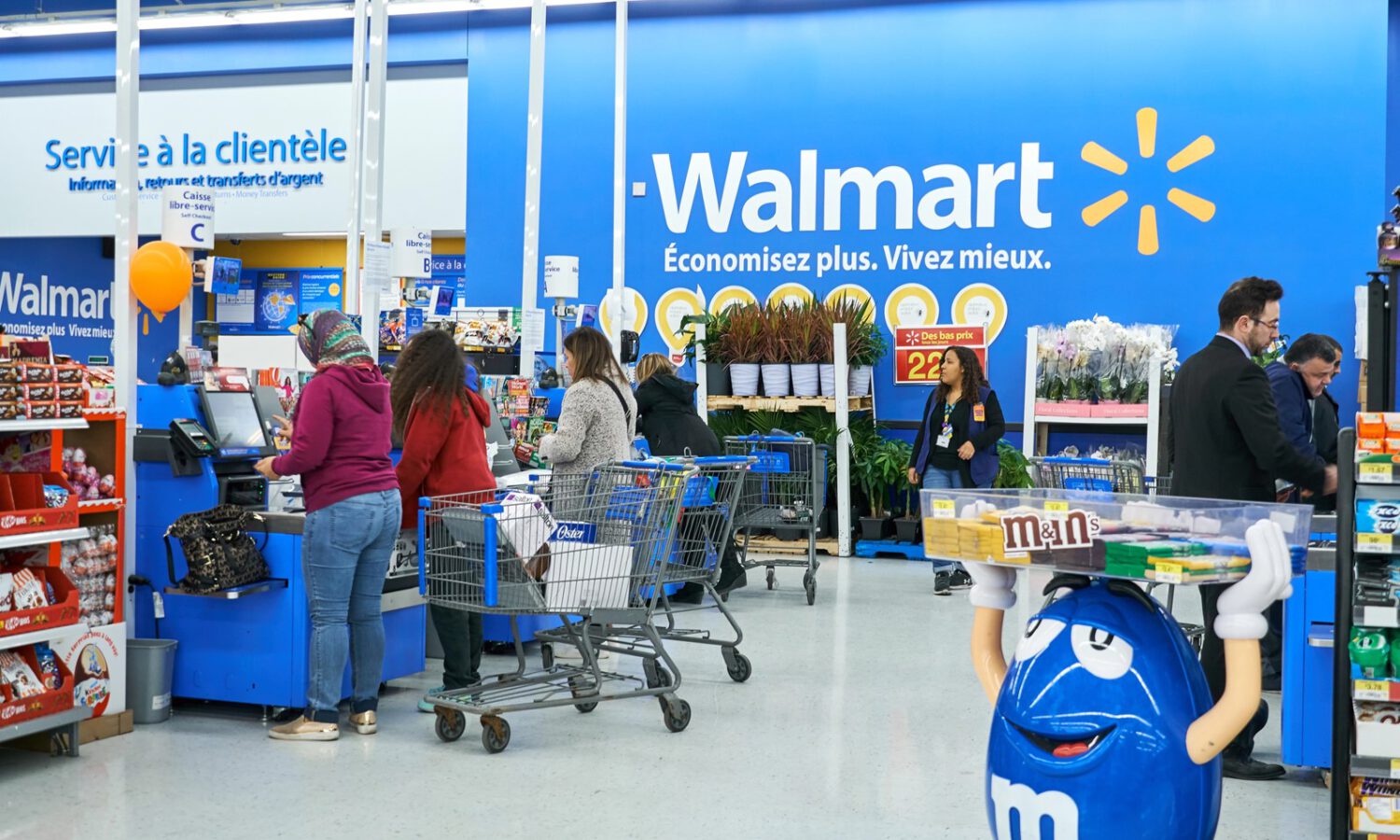
You open the Walmart app, ask Sparky to help you find a good deal on diapers, and the price looks reasonable. But a new report from watchdog group Groundwork Collaborative raises a question worth sitting with: is that the same price your neighbor sees? And with apps secretly tracking users becoming an increasingly documented phenomenon, the concern is not hypothetical.
The strongest claim here is verifiable. Walmart holds patents describing tools that could support detailed customer profiling, pricing experiments, and targeted promotions. What those patents mean for your wallet is where the debate begins.
What the Patents Actually Describe
Groundwork’s report identifies more than a dozen patents describing capabilities that reach well beyond standard loyalty-program logic, according to the group’s own characterization.
One patented concept could conduct pricing experiments by gradually raising prices to estimate how much a shopper is willing to pay. Another describes a system that could withhold coupons from customers Walmart’s algorithm predicts will pay full price anyway.
A third could display different prices in search results. Groundwork cites a hypothetical where one shopper sees $90 and another sees $110, based on purchase history, location, and other identifying data. The $90/$110 scenario is an example from Groundwork’s interpretation of the patent, not evidence that Walmart has shown those prices to actual customers.
The report also highlights a patent that could estimate a child’s age from purchase history and adjust product recommendations as that child grows. An electronic shelf label patent was granted in 2023. Other applications describe capabilities involving facial recognition, Wi-Fi tracking, and physiological data like heart rate , the same categories of data collection that a surveillance app built to profile targets has already demonstrated in practice. These are patent descriptions only, not verified deployed systems.
Groundwork CEO Lindsay Owens put it plainly: “Corporations don’t spend years building high-tech pricing tools, hiring experts, and filing patents just to let them collect dust.”
What Walmart Says
Walmart’s official response is direct, and it deserves a fair read before drawing conclusions.
Walmart EVP Dan Bartlett stated the company does not and will not use a customer’s personal information, income, shopping history, urgency, or willingness to pay to set individualized prices. Walmart’s shorthand: “We price products, not people.”
The company also argues that a patent describes a possible invention rather than an active business practice. Walmart separately said it would not use or renew the patent describing cart-based price changes through Scan & Go and electronic shelf labels.
Patents are not deployment announcements. But the gap between “we could” and “we won’t” is exactly where accountability journalism belongs.
Sparky and the 40% Question
One number from Walmart’s own investor communications sharpens the tension considerably.
Walmart U.S. CEO Dave Guggina told investors that customers who engage with Sparky have average order values 40% higher than those of other shoppers. Groundwork interprets that figure as evidence the AI shapes purchasing behavior to Walmart’s benefit. Walmart rejects the “upcharging” framing.
A higher basket value does not prove individualized pricing. It could reflect more items in the cart, product substitutions, or broader recommendations, though the available evidence does not resolve which factors explain the increase. It does raise a fair question: what exactly is Sparky optimizing for, and should you know the answer before you use it?
What Should Actually Change
The core problem is not patents. It is the absence of transparency that lets the gap between capability and restraint go unexamined.
Patent portfolios reveal what a company can build. They cannot guarantee what a company will choose not to do.
Shoppers using Walmart’s app, Scan & Go, or website have a reasonable interest in knowing what data Sparky can access. They also deserve clarity on whether promotions are available to all customers equally and whether pricing recommendations vary by individual profile. Those are not unreasonable demands; they are basic disclosures that regulators have yet to require. In the meantime, understanding what you may be paying too much for is one of the few defenses available to shoppers today.
The right response to this report is not panic. It is pressure: on Walmart, on the broader retail industry, and on regulators. Transparency around automated pricing decisions should be required before capability and practice become impossible to distinguish.