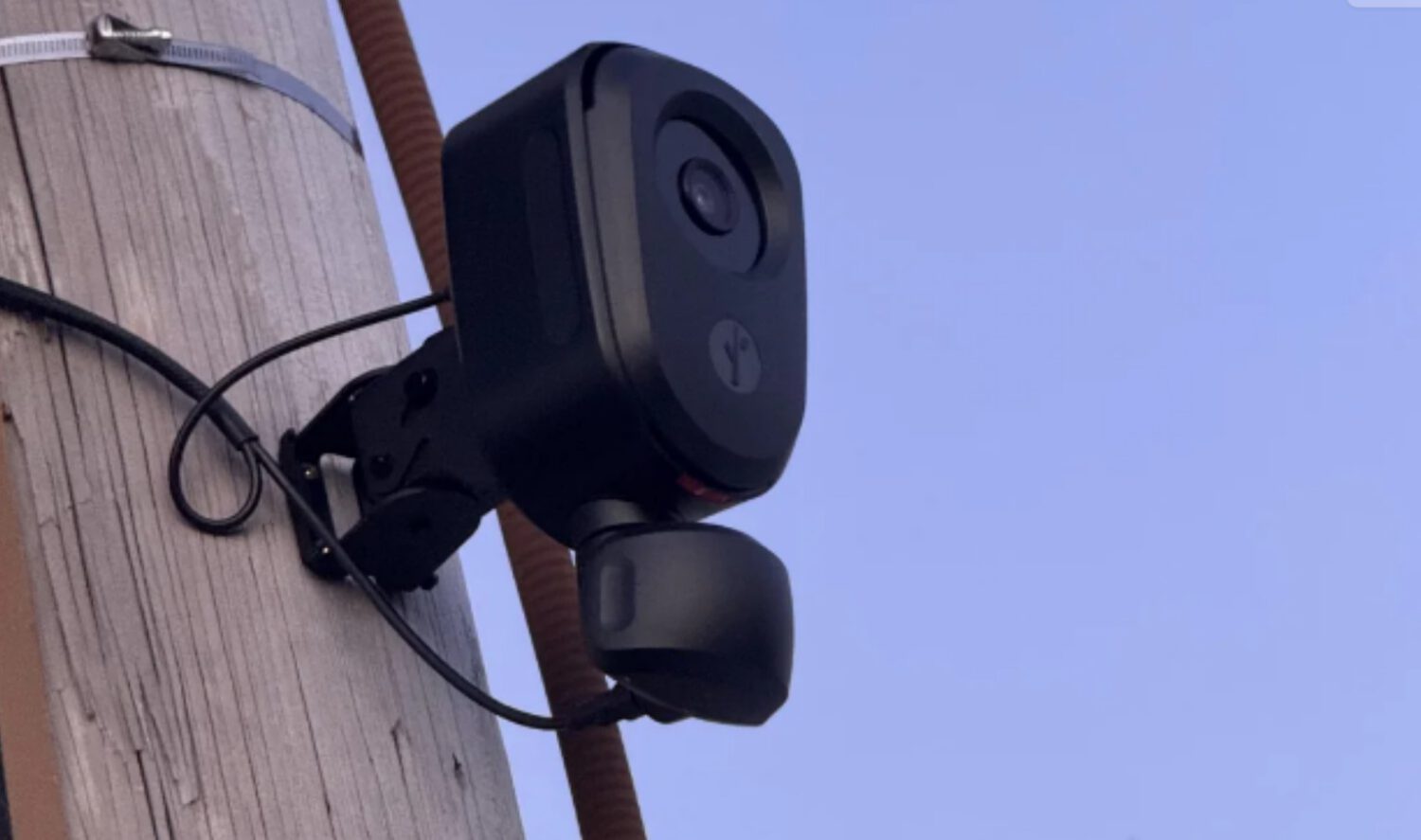
A routine West Virginia procurement reveals how a local sheriff’s office bought 20 cameras and gained access to a platform processing roughly 10 billion plate reads per month. Flock Safety license-plate-reader cameras were deployed by Monongalia County; 19 of the 20 contracted units were active by June 25, 2026.
What the Contract Actually Buys
A single county purchase in northern West Virginia turns out to be a door into a much larger surveillance network.
Twenty cameras. One rural county. A $177,600 contract. On its face, the Monongalia County Sheriff’s Office purchase looks like a routine local procurement.
The county’s agreement, approved in November 2025 and funded through opioid-settlement money, covers a 36-month term at $59,200 annually. It renews automatically unless either party gives at least 30 days’ notice.
Those 20 cameras also come bundled with access to Flock’s state and national networks, along with the ability to request access to privately owned Flock cameras at neighborhoods, schools, and businesses.
According to the contract, that network processes approximately 10 billion additional plate reads per month, depending on participating agencies’ sharing policies. The sheriff’s office’s own audit found its camera data was searchable by 980 other law-enforcement organizations, though agencies outside West Virginia and beyond a 50-mile radius reportedly could not search the county’s network directly, meaning access depends on configured geographic and policy restrictions rather than being universally open.
What Flock cameras capture on vehicles the system records:
- License plate image and vehicle characteristics
- Make, color, and model
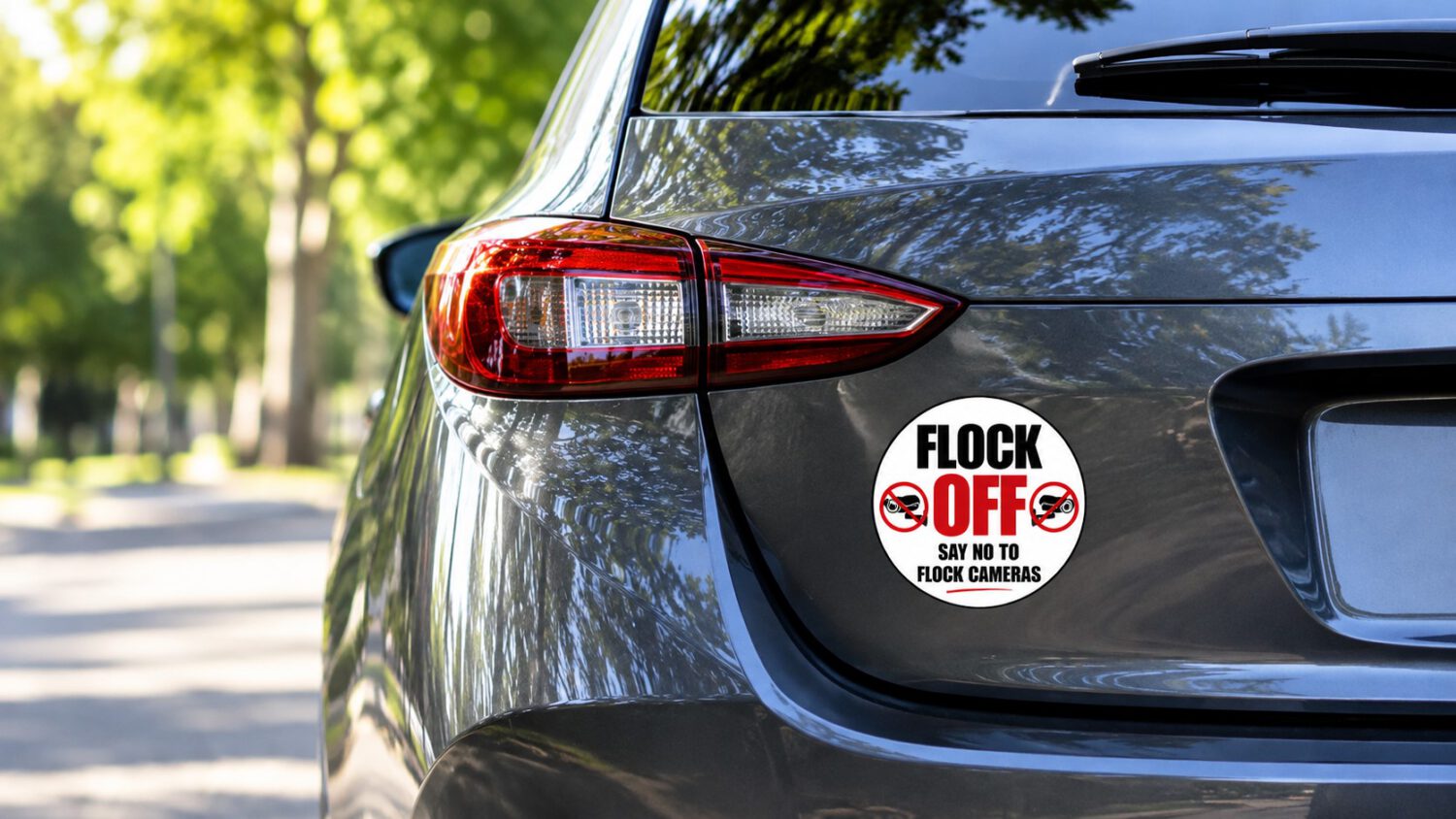
- Physical details such as dents or bumper stickers
- Date, time, and camera-location identifiers
Searching Without a Plate Number
Flock’s Vehicle Fingerprint feature extends the system beyond plate-matching into broader vehicle identification.
An officer investigating a hit-and-run with no plate number can use Flock’s Vehicle Fingerprint feature to search instead by make, color, and physical characteristics. That capability moves the system well beyond simple plate-matching.
Local commissioners and sheriff’s representatives have described the system as intended for searches tied to official alerts, criminal complaints, warrants, or active case activity, not unrestricted browsing. Between January 1 and June 25, 2026, drug and narcotics investigations accounted for 188 searches, more than any other listed category; those figures reflect search counts, not arrests or solved cases.
Flock’s published default retention period is seven days, though retention can vary by individual agreement, applicable law, or order form. The Dominion Post reported that the county’s system retains images for 21 days, based on sheriff’s office statements; the specific order form governing the Monongalia contract has not been independently confirmed in available reporting.
Who Owns the Data
The contract gives the county formal ownership of its data while granting Flock a broad, permanent license to use it.
Flock’s terms state that the customer retains ownership of Customer Data, defined to include images, video, metadata, user-entered content, and third-party data supplied at the customer’s direction.
The same terms grant Flock a limited, non-exclusive, royalty-free, irrevocable, and perpetual worldwide license to use and disclose that data to provide the service. That license also extends to supporting and improving Flock’s products. Flock states it will not sell Customer Data and that unauthorized sharing would constitute a breach of terms governing tracking users. The contract presents both the ownership claim and the license’s breadth side by side; neither cancels the other out.
Federal Pushback
Concern about the network’s scale has drawn proposed legislation from both parties in Congress.
Cybersecurity researcher Joshua Michael mapped what he estimated as more than 300,000 Flock devices nationally as of September 2026; that figure is his estimate, not a company-confirmed operational total. The scale of that surveillance network has drawn scrutiny well beyond local debates.
Concern about the network’s scale crosses party lines. Democratic Rep. Alexandria Ocasio-Cortez, Sen. Jeff Merkley, and Independent Sen. Bernie Sanders introduced the Ban Flock Act. The bill would restrict or end federal use of license-plate readers. Neither that proposal nor other related legislation described in available reporting has been confirmed as enacted.
The central debate is shifting past whether cameras capture plates. The harder questions now concern who can search the resulting data, what investigative threshold applies, how long records stay available, whether searches are audited, and whether a warrant is required. Those questions remain open.