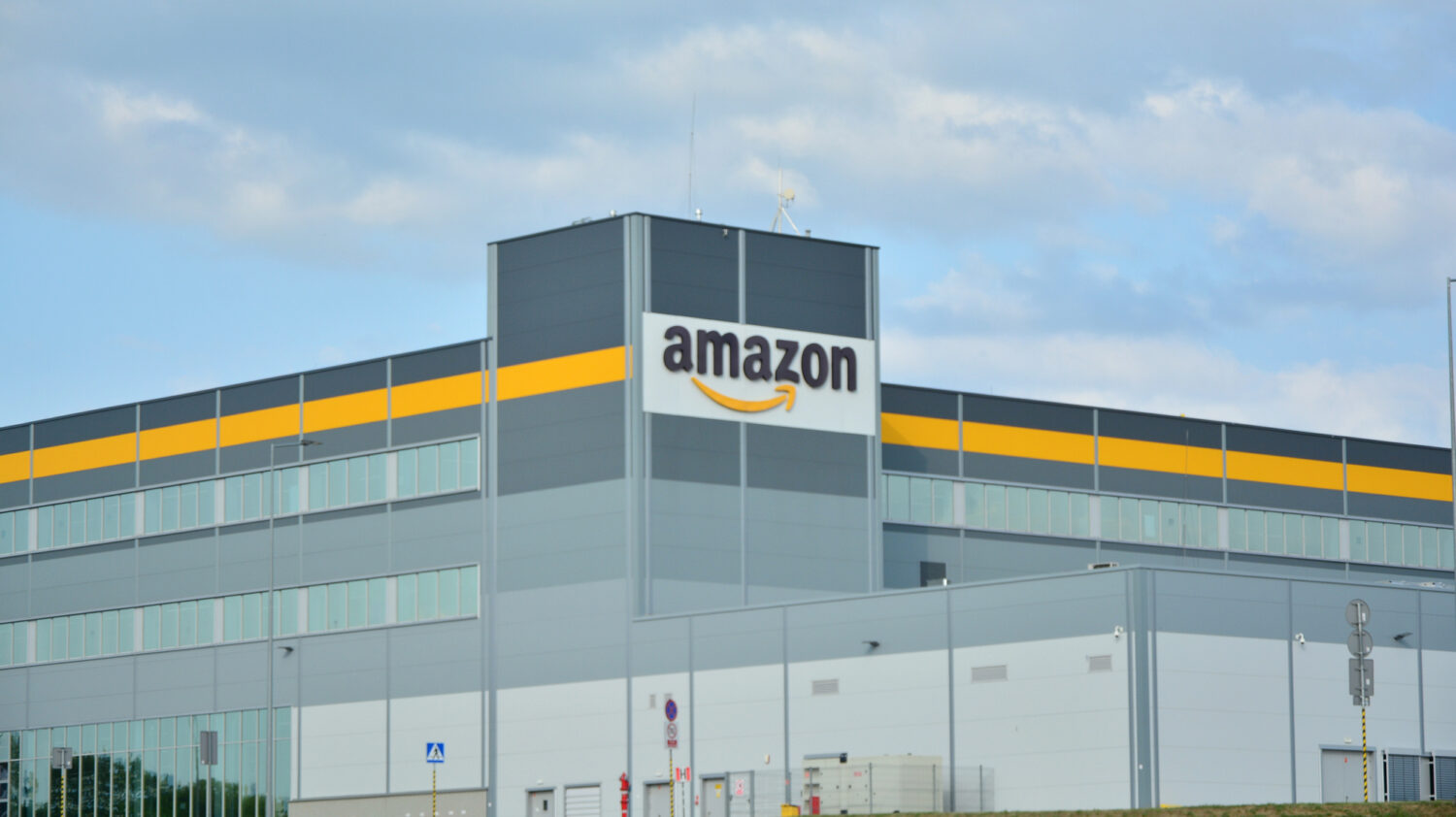
More than 100 U.S. communities are considering moratoriums on new data centers. AWS CEO Matt Garman cited that figure on October 2, 2026, as Amazon announced a package of transparency measures, community investment, and environmental benchmarks meant to address growing local resistance.
AI’s infrastructure appetite is enormous, and local residents are feeling the consequences: rising electricity demand, water consumption, noise, and questions about who actually pays for grid upgrades. These commitments are company-reported projections, not independently audited outcomes.
What AWS Is Actually Promising
Amazon is dropping the secrecy playbook and opening its wallet, but the fine print matters.
The most immediate change is structural. AWS says it will stop requiring nondisclosure agreements with government agencies involved in its data center projects.
The company also says it will hold community open houses, disclose project details earlier in the development process, and publish annual figures on energy consumption, water use, and the share of electricity sourced from carbon-free supplies. Whether local governments then release related records to the public is a separate question.
The investment program, called Built Together, commits more than $1 billion over five years to education, workforce development, energy affordability, water preservation, and locally selected priorities. It runs alongside Amazon’s existing community spending, not in place of it.
Amazon says more than 300,000 students could receive access to free community college education, with eligible out-of-pocket costs covered after financial aid is applied. That figure is attributed to Amazon and has not been independently verified.
Workforce training is another pillar. Amazon currently operates three Modular Training Centers, with six more under development and 16 additional planned. The company’s stated goal is training up to 100,000 workers annually by the end of 2028.
Energy efficiency upgrades are promised for more than 300 schools, community buildings, and 30,000 homes. Amazon projects participating households could cut energy bills by 20% to 40%, or roughly $700 per year.
AWS also says it will structure power arrangements so local utility customers do not absorb costs associated with electricity production tied to its facilities. The scope of that ratepayer protection will depend on the specific terms negotiated in each jurisdiction.
The Numbers Behind the Environmental Claims
Amazon’s efficiency figures look strong on paper, with one significant gap in the data.
Amazon reports a global power usage effectiveness (PUE) of 1.14 for 2025. Think of PUE as a simple efficiency ratio: lower numbers mean less energy wasted on cooling and overhead, and more going to the servers doing the actual work. The industry average sits at 1.25, and conventional on-premises enterprise data centers average 1.63, according to Amazon’s figures.
Water performance numbers are similarly striking, though they come with caveats. Amazon’s sustainability reporting uses water-use effectiveness metrics, and the company says its facilities use roughly one-seventh the water withdrawals of an average industry data center. More than 65 water-replenishment projects are expected to return over 8 billion gallons annually to local communities. That is more than twice what Amazon says its data centers consumed in 2025.
The company also reports it has reached 75% of its goal to become water-positive across its data centers by 2030. New AWS sites are expected to meet EPA Tier 4 emissions standards for backup generators, though Tier 4 requirements vary by engine power and equipment category.
Here is the limitation worth noting: Amazon does not separate its conventional cloud facility data from its AI-specific facilities in these figures. AI data centers pack dense arrays of specialized accelerators that generate substantially more heat and draw significantly more power. That means the headline averages may not reflect what a new AI-focused facility actually demands from a local grid or water supply.
Credibility for this program will not come from the announcement. Moratoriums addressing siting, noise, land use, and grid capacity remain unresolved, and meaningful accountability will require measurable annual disclosures, accessible project information, and independent verification of energy and water performance, particularly for AI facilities.