Sean Howarth hauled construction equipment from Rogers, Minnesota, to Johnstown, New York, and earned roughly $1,000 in gross revenue. He spent approximately $626 on fuel for that load alone, before accounting for his truck payment, insurance, or maintenance.
That is the arithmetic of independent trucking right now.
The Math That Does Not Work
When a single fill-up consumes more than half the gross revenue from a load, the business model becomes very difficult to sustain.
National diesel averaged $6.39 per gallon on October 1, 2026, according to AAA, up from $3.71 a year earlier. Lewie Pugh, executive vice president of the Owner-Operator Independent Drivers Association, said every $1-per-gallon increase adds roughly $400 per week to a small operator’s fuel burden.
Howarth, based in Miami, said fill-ups that once cost around $500 now run between $950 and $1,100, depending on location. He has stopped taking loads into California, where AAA reported an average of $8.38 per gallon, and has limited his routes to the East Coast and Midwest.
Renardo Harmon, who hauls dry goods across the Southeast, earns approximately $2.40 per mile and now pays $900 to $1,000 to fill his tank, about twice the pre-conflict cost. He told The New York Times that higher fuel costs are affecting his rent, groceries, and vehicle payments.
Owner-operators absorb costs that large carriers can spread across fleets and contracts, including:
- Diesel fuel expenses
- Truck payments and financing costs
- Commercial insurance premiums
- Routine maintenance and repairs
- Miles traveled without cargo or revenue
“I am just trying to hang on.” Sean Howarth, independent trucker, as reported by The New York Times.
Who Holds the Cards
Independent truckers often lock in a freight rate before the fuel receipt prints, then wait weeks for payment.
OOIDA represents more than 135,000 members, according to The New York Times. Pugh estimated that roughly 90% of U.S. trucking companies are small businesses with limited ability to raise rates or negotiate surcharges.
Independent operators frequently accept load rates before final fuel costs are known. They then wait 30 to 90 days for payment, effectively financing their own operations through a price spike.
Large carriers generally have more leverage to negotiate fuel surcharges. Independents largely absorb what the spot market offers.
“This is crushing to our industry,” Pugh told The New York Times.
Policy responses are forming, though their near-term effect remains uncertain. Georgia Gov. Brian Kemp temporarily suspended state gas taxes. The White House said President Trump met with refiners to seek expanded refining capacity. Industrialized nations reportedly agreed to release 100 million barrels of diesel and crude from reserve stockpiles, and Energy Secretary Chris Wright said prices are likely near their peak.
The Unintended Argument for Electric Trucks
At $6.39 a gallon, the cost comparison between diesel vs electric freight is no longer a hypothetical.
For years, the case for electric trucks lived mostly in sustainability reports and regulatory filings. A stable diesel market at $3.71 a gallon gave operators little financial urgency to evaluate alternatives.
At $6.39, that calculation shifts. A sustained high-diesel environment compresses the payback timeline for electric equipment in ways that low, stable fuel prices never did. The supplied sources do not quantify how many operators have already evaluated or moved toward electric trucks, and that uncertainty is real.
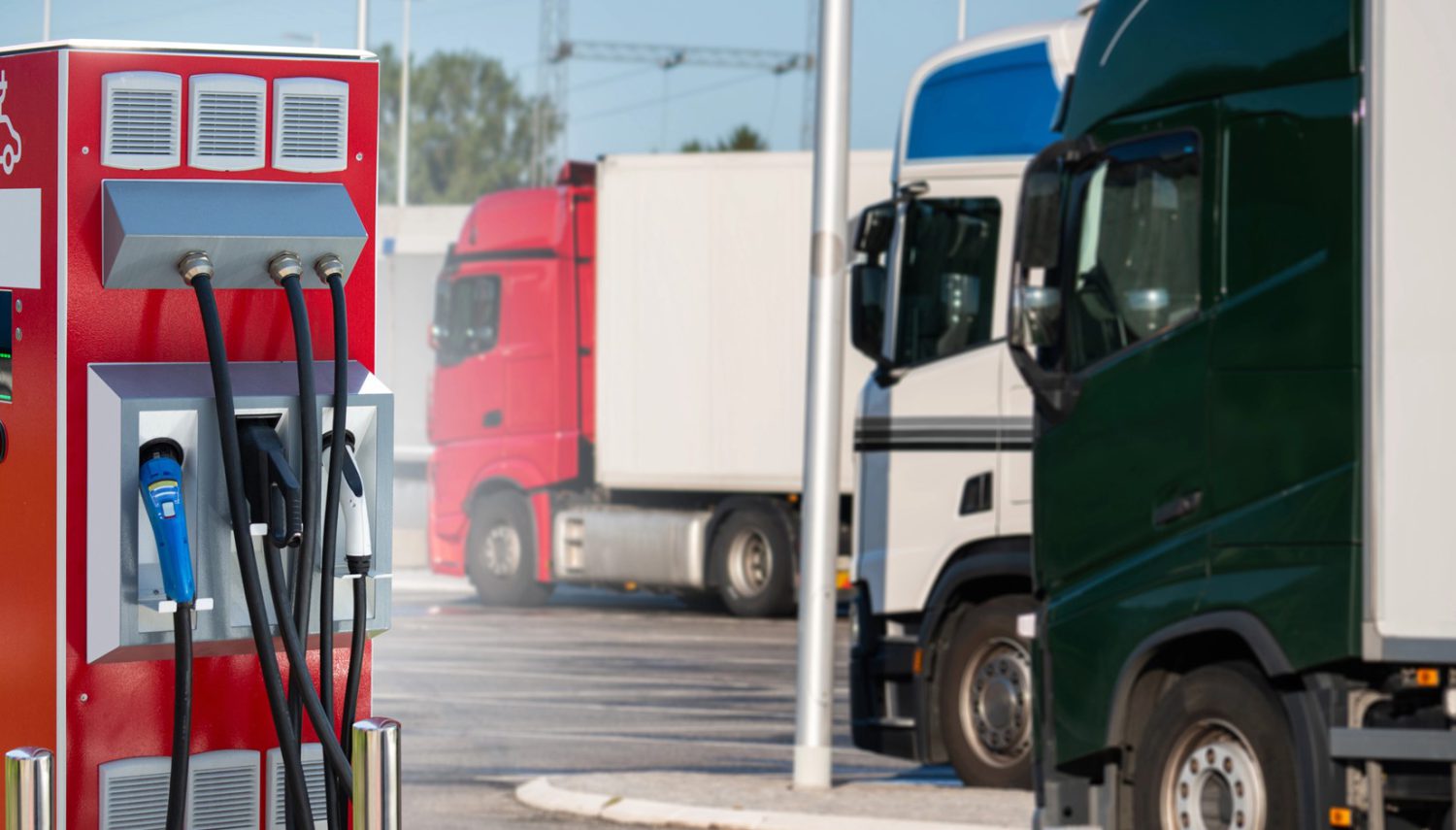
Electric trucks carry serious barriers of their own. Charging infrastructure remains thin along many freight corridors, upfront costs run substantially higher than diesel equivalents, and range limitations make long-haul replacement difficult today.
Harmon warned that some truckers may suspend operations entirely if prices hold. If that happens, freight buyers and fleet planners making longer-term equipment decisions will face a fundamentally different market than the one that existed twelve months ago, a market where the business case for electric freight may move from optional to necessary.