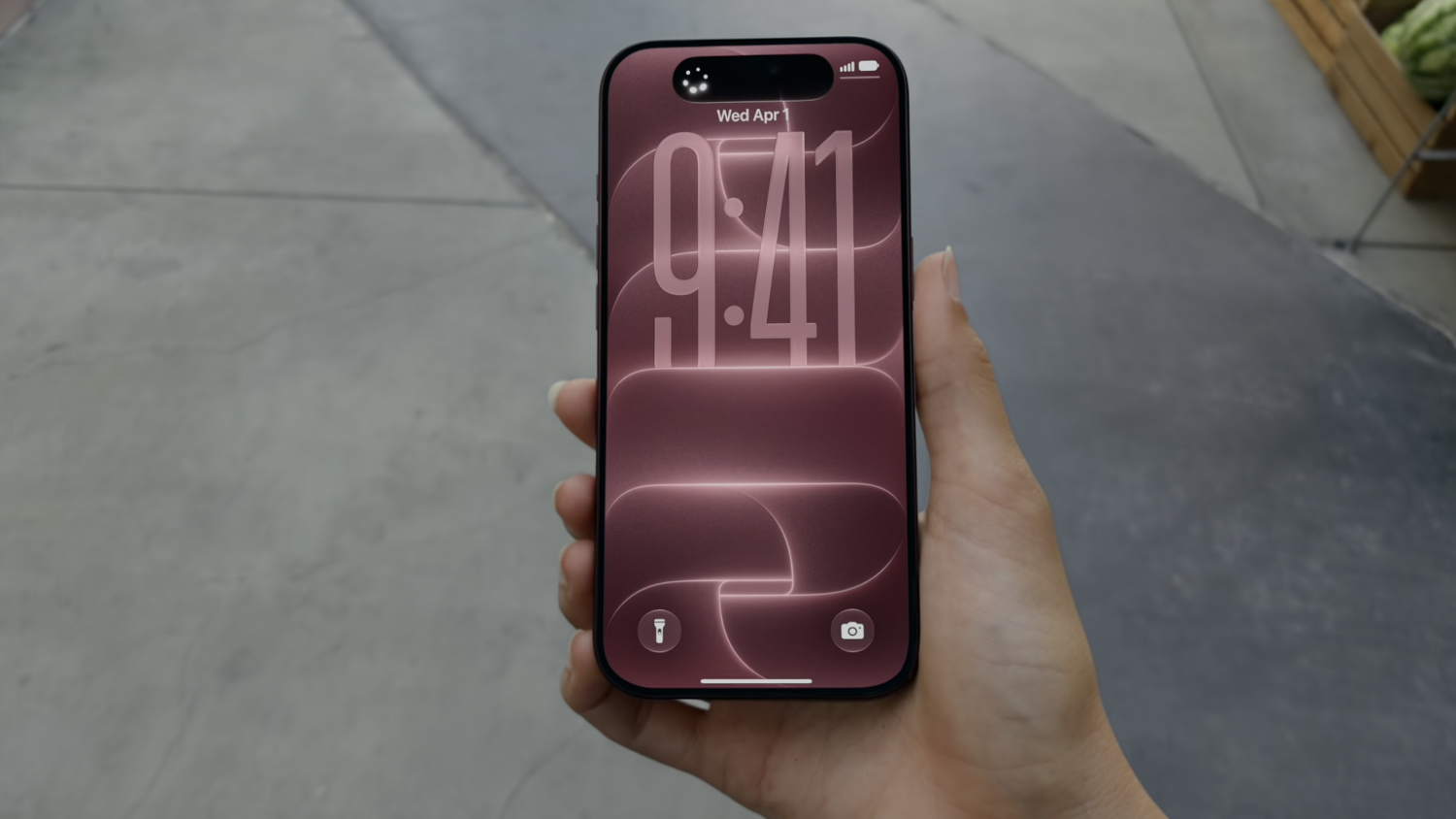
Apple captured 33% of China’s weekly smartphone unit sales during the week of September 14–20, 2026, topping Huawei, Xiaomi, Oppo and Vivo, according to Counterpoint Research. Total Chinese smartphone sales fell 17% below the same week in 2025 during that same period.
That contrast is the real story. Apple gained share while the broader market contracted, a more meaningful signal than the headline number alone.
Reading the Numbers Carefully
One launch week provides a useful snapshot, but the underlying methodology shapes what the numbers actually mean.
The 33% figure reflects weekly unit sales for one seven-day period, not a quarterly trend or a revenue share. Counterpoint Research reported it as a snapshot tied directly to the iPhone 18 Pro launch.
The 12% improvement over the iPhone 17 Pro’s first-week sales requires similar caution. The iPhone 18 Pro models were available for only the final three days of the measured week, while the prior-year comparison covered a full seven days. That difference in availability windows may inflate the comparison.
Why Apple Pulled Ahead
Two converging factors, competitor pricing and Apple’s own lineup structure, help explain the launch-week result.
Chinese flagship smartphone prices rose by more than $200 in many cases, narrowing the premium gap between domestic rivals and the iPhone, according to Counterpoint analyst Ivan Lam. Lam said that pricing shift may have improved the iPhone’s relative value proposition for buyers weighing their options.
Apple’s product lineup also played a role. The company launched only the Pro models during this period, while the base iPhone 18 launch has been reported as delayed, a timing detail attributed to supplier Pegatron, though no primary confirmation from Apple or Pegatron was available at the time of publication. With no lower-priced option immediately available, some buyers who wanted a new iPhone had fewer choices. Lam said the absence of a standard model likely directed some of that demand toward the Pro lineup.
A Broader Picture of Apple in China
23% iPhone sales growth against a declining overall market points to a pattern that extends well beyond launch week.
Apple’s iPhone sales in China rose 23% during the first nine weeks of 2026, while the overall Chinese smartphone market declined 4% over the same period, per Counterpoint. Counterpoint attributed part of that resilience to longer-term supplier agreements that may have reduced Apple’s exposure to component-cost increases, though that characterization is a research attribution rather than independently verified fact.
Component costs are rising across the industry regardless. TrendForce forecast conventional DRAM contract prices to increase 13% to 18% quarter over quarter in the third quarter of 2026, driven by tight supply and sustained demand from AI server buildouts. Higher memory costs add pressure to smartphone margins or retail prices across the market, though individual manufacturers may absorb or offset those increases in different ways.
Apple Enters Foldables
Apple’s first foldable device arrives into a fast-growing segment where Samsung and Chinese manufacturers have led for years.
The iPhone Duo, Apple’s first foldable device, starts at $1,999 in the United States. Preorders open October 16, with retail availability October 23 across more than 70 countries. Counterpoint estimated Apple could sell approximately 6 million iPhone Duo units in 2026, contingent on production ramp-up.
IDC projected the global foldable segment to reach 22.9 million units in 2026, up 12.6% year over year, and said Apple’s entry could accelerate that growth. The iPhone Duo is priced roughly $100 above Samsung’s Galaxy Z Fold8, based on Counterpoint’s reported comparison, though Samsung’s official U.S. pricing was not independently confirmed at the time of publication. Counterpoint analyst Tarun Pathak described that premium positioning as bold for a first-generation product.
Whether Apple can hold momentum after the Pro launch spike will matter more than one strong week. A single launch window is a data point; a trend takes longer to establish.