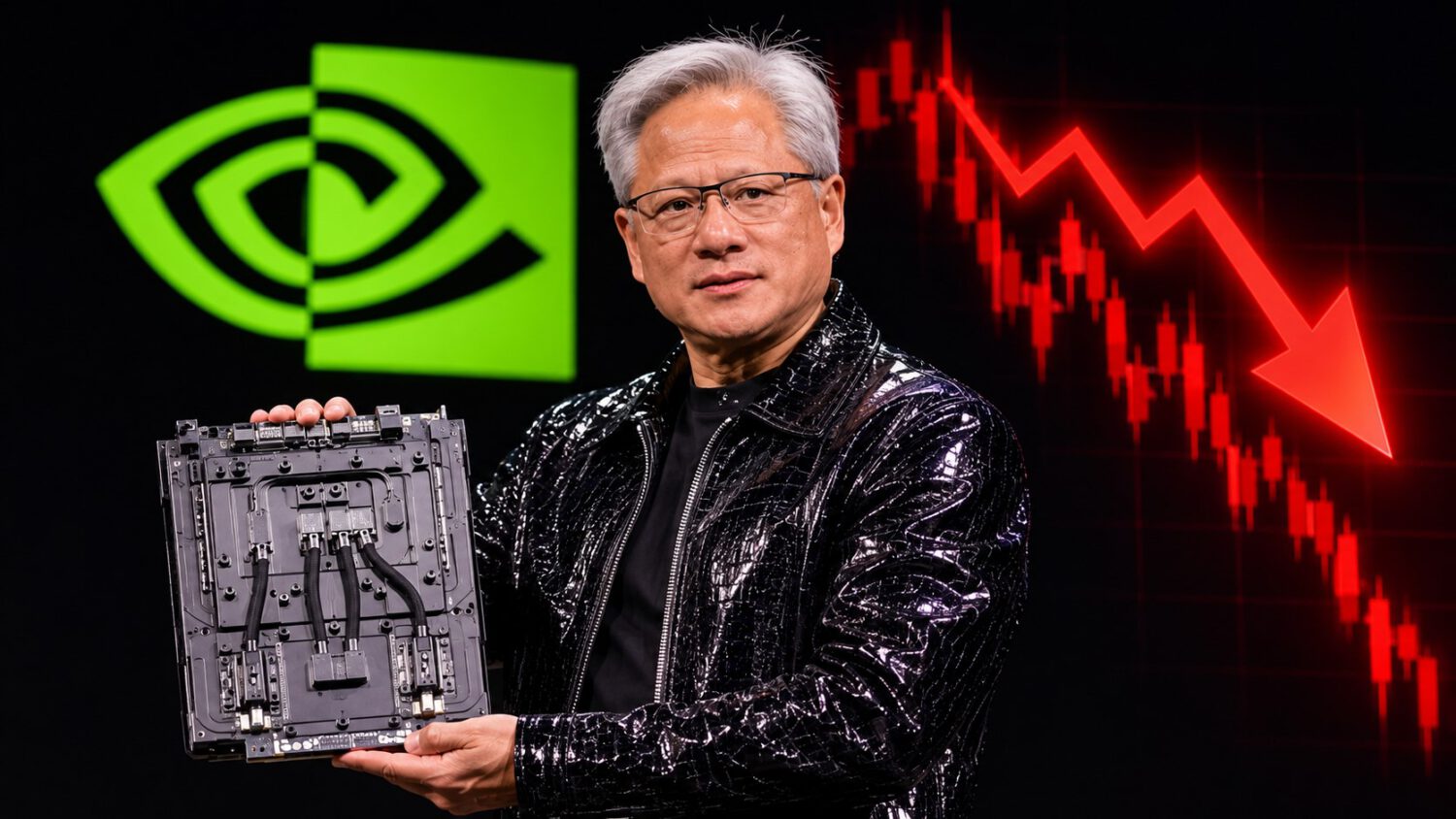
Nvidia co-founder Jensen Huang resigned as president, chief executive and board member on Thursday, ending a 33-year run that transformed a graphics chip startup into the backbone of the AI infrastructure boom. The company’s investor relations press release confirmed the departure was effective immediately, with no reason provided for his exit.
Colette Kress, Nvidia’s executive vice president and chief financial officer, was named interim CEO while retaining both her existing titles. The board said it would consider internal and external candidates for a permanent successor.
Harvey C. Jones, a former chief executive of Synopsys, was appointed as Nvidia’s first-ever chair of the board.
Shares Drop, Market Cap Falls Below $4 Trillion
A leadership change at the top of the AI chip market rattled investors within minutes of the announcement.
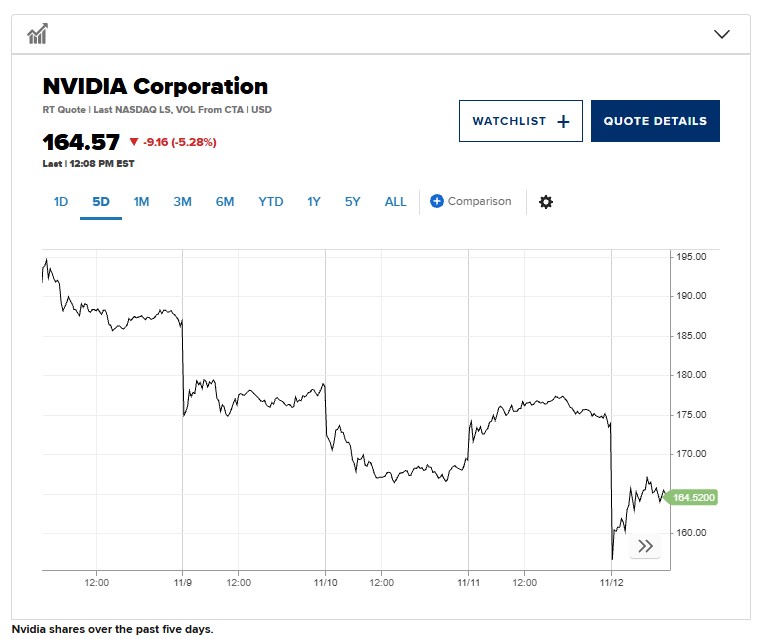
Nvidia shares declined nearly 10% in early trading, pushing the company’s market capitalization below $4 trillion, according to CNBC. Huang had been so closely identified with Nvidia’s strategy, customer relationships and technical direction that his absence immediately raised questions about execution continuity.
Reports from Politico and AFP say Huang acknowledged an affair with a businesswoman identified as Alice Huang. U.S. officials reportedly suspect she was recruited to gather intelligence for China, though those accounts remain allegations and have not been established as fact.
Nvidia’s official announcement makes no reference to the reported affairs or to any causal connection with the resignation. Nvidia’s board had launched an independent investigation following the initial reports, and subsequent reporting described a second alleged affair involving a separate Nvidia executive, increasing pressure on the board, according to Politico.
The Company’s Official Position
Board chair Harvey C. Jones emphasized continuity; Nvidia has not publicly explained the reason for Huang’s departure.
“The Board has full confidence in Colette and the leadership team, and we expect the company’s operations, customer commitments and product roadmap to continue without interruption,” Jones said in the company’s press release. Kress, in her own statement, described her task as “building on the extraordinary foundation Jensen created over the last 33 years.”
Nvidia has not provided a public explanation for why Huang resigned.
Rivals Watch, Customers Wait
Leadership uncertainty in the semiconductor sector tends to prompt procurement anxiety among hyperscalers and enterprise buyers.
AMD, Broadcom and Qualcomm each traded higher in early trading, while Intel moved lower. Those figures are intraday readings and require confirmation against equities data before any investment conclusion is drawn. Competitors may use the transition period to court Nvidia’s enterprise and hyperscaler customers, who typically want long-term supply assurances and stable technical roadmaps.
Nov. 17 Earnings Call Is the First Real Test
Interim management faces an immediate credibility moment before investors, analysts and customers.
Kress faces her first public credibility test on Nov. 17, when Nvidia is scheduled to report fiscal 2027 third-quarter results. That call could provide an early opportunity to address demand signals, supply commitments, the CEO search timeline and senior leadership retention in a single public forum.
Investors will watch two signals in the coming weeks: whom the board shortlists for a permanent CEO, and whether key engineering talent stays. Huang’s departure marks the end of a founder-led era that few semiconductor companies have matched, and finding a successor capable of managing Nvidia’s technology strategy, customer relationships and geopolitical exposure will be among the most closely watched executive searches in the industry.