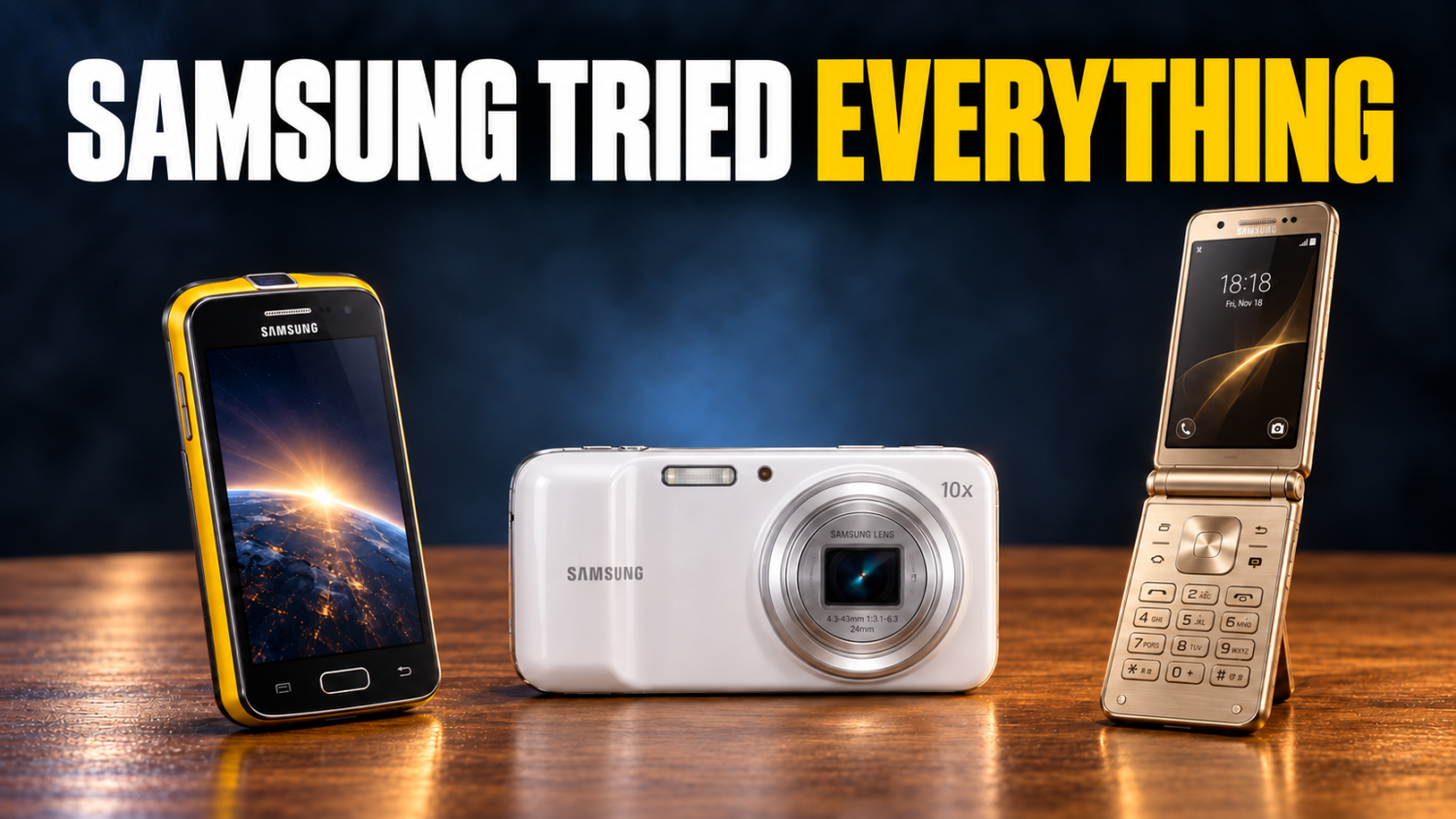
Samsung holds more than 20% of global smartphone shipments in most quarters, according to industry trackers such as IDC and Counterpoint Research. The Galaxy S and Note families dominate headlines, but the company’s experimental edge shows up in a dustier archive: devices that either pushed engineering boundaries or chased peculiar market niches. This list pulls from that curious history, showcasing phones that proved the journey to dominance was anything but straight.
13. Samsung ATIV series
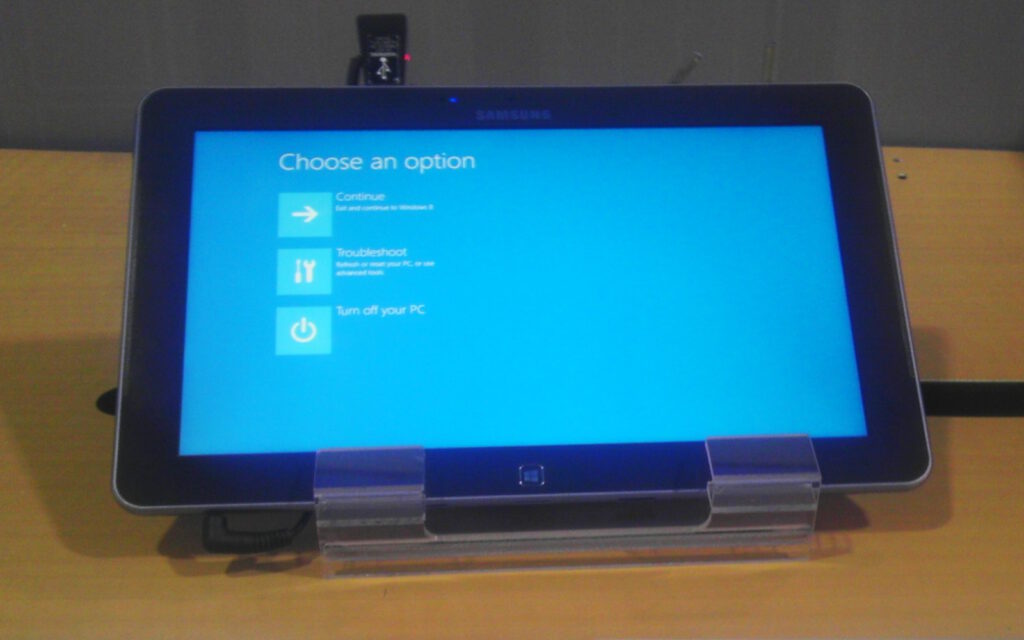
Microsoft’s Windows Phone 8 ecosystem found an unexpected ally in Samsung’s short-lived touchscreen flagship.
Samsung announced its ATIV series in 2012 to support Microsoft’s Windows Phone platform. The ATIV S featured a Super AMOLED display, removable battery, microSD expansion, and a dual-core processor. Windows Phone 8 delivered a smooth interface, but the app catalog remained sparse. By 2014, Samsung had discontinued the line and returned its smartphone focus entirely to Android. Removable batteries were a practical perk; developer disinterest was a canyon too wide to bridge.
12. Samsung Omnia series
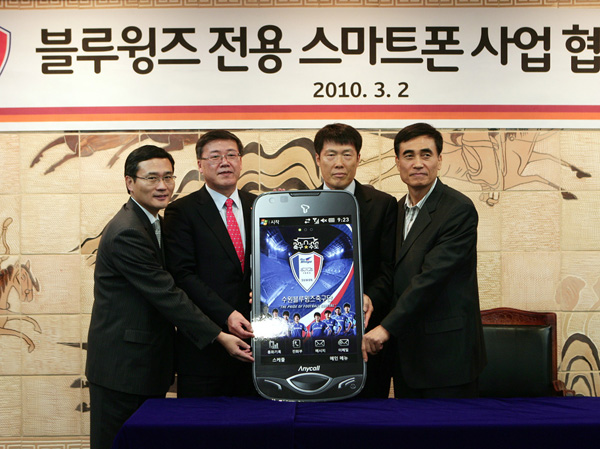
Windows Mobile met Samsung’s TouchWiz ambitions in a family that stretched from 2008 to 2011.
The i900 Omnia launched in 2008 as a touchscreen Windows Mobile smartphone combining large displays, an optical joystick, and Samsung’s TouchWiz interface. Later models, including the Omnia 7 (2010) and Omnia W (2011), shifted to Windows Phone 7. The Symbian-based Omnia HD stood apart with an 8-megapixel camera and high-definition video recording, targeting users who wanted advanced imaging without Android or iOS.
11. Samsung Galaxy Zoom series
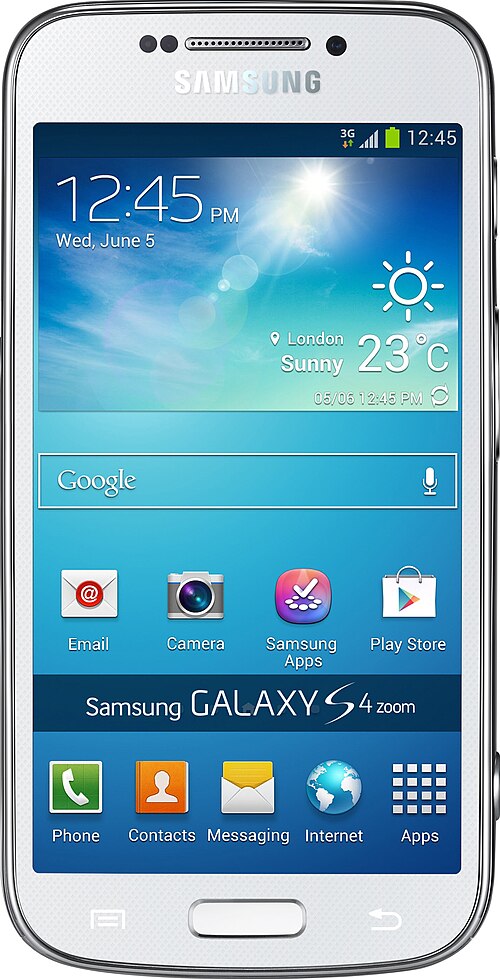
Optical zoom met smartphone ambition in a device that fused Android with dedicated camera hardware.
The 2013 Galaxy S4 Zoom combined a 16-megapixel sensor, 10× optical zoom, optical image stabilization, a xenon flash, and a physical shutter button with a 4.3-inch Super AMOLED display, Android 4.2.2, and a removable 2,330 mAh battery. Specifications were impressive; the form factor was not. The camera mechanism added bulk and weight, and contemporary reviews noted discomfort during extended use. The 2014 Galaxy K Zoom used a slimmer design, but consumers increasingly favored thinner devices with computational photography over mechanical zoom systems.
10. Samsung Galaxy Beam series
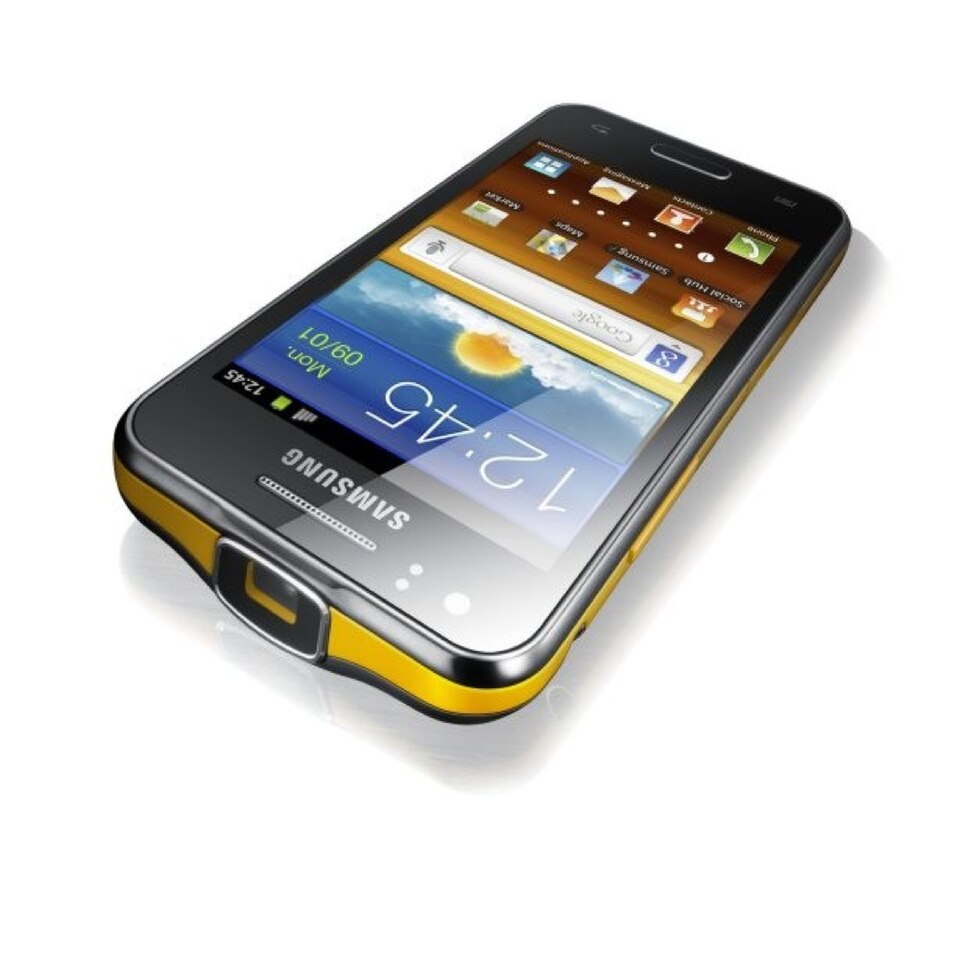
A 15-lumen pico projector turned the Galaxy Beam into a portable presentation tool in 2012.
The Galaxy Beam integrated a projector capable of casting images up to approximately 50 inches under suitable lighting conditions. Projector operation drained the removable battery quickly and performed best in dark rooms, limiting real-world versatility. The 2014 Galaxy Beam 2 added a metallic exterior but could not overcome the environmental constraints that made the projector impractical for most users.
9. Samsung Wave series
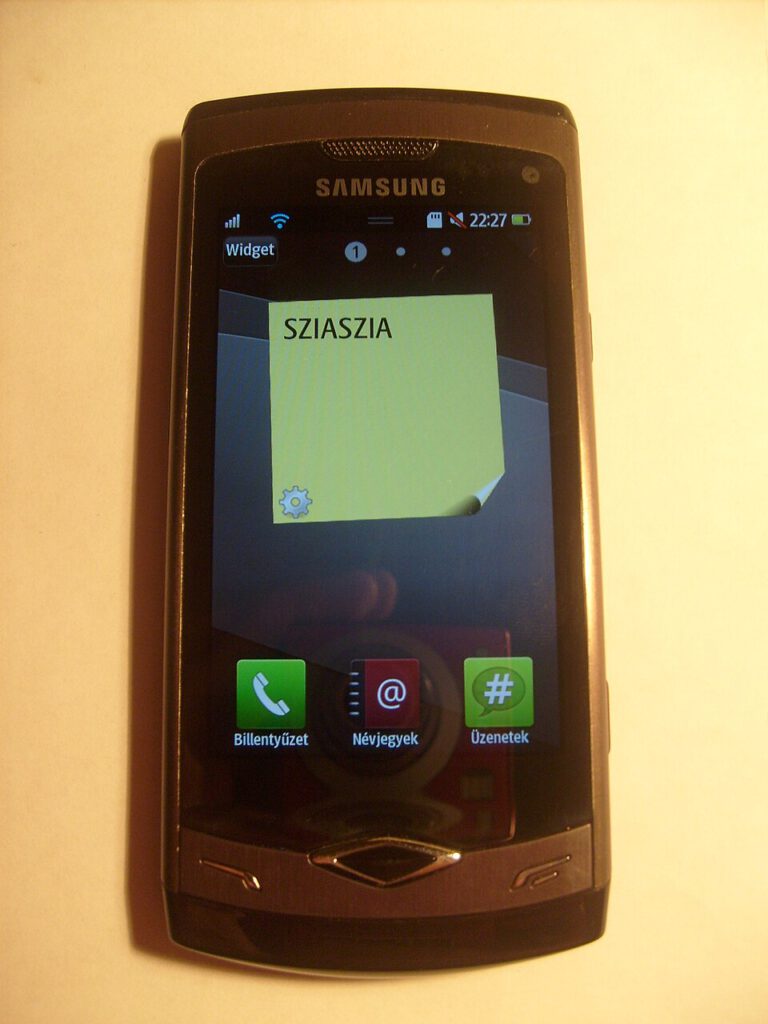
Samsung’s bada operating system debuted on the Wave S8500 in 2010, pairing Super AMOLED displays with proprietary software.
The Wave S8500 featured a Super AMOLED screen and aluminum construction. Bada offered a fluid user experience, but limited third-party application support weakened its appeal. Samsung incorporated bada technology into the Tizen project, and the Wave branding disappeared from mainstream smartphone releases by 2013. Software ecosystems proved more decisive than hardware quality.
8. Samsung Star series
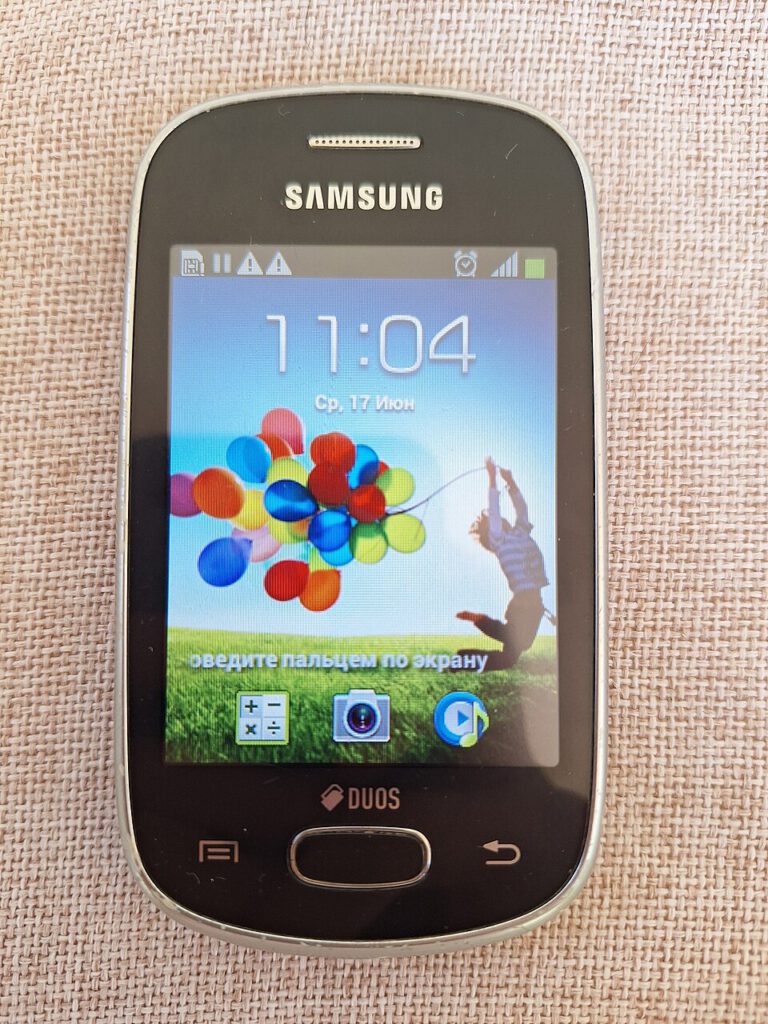
The S5230 Star brought touchscreen controls to millions in 2009 without requiring smartphone-tier data plans.
The Star S5230 used a resistive touchscreen, stylus support, Samsung’s TouchWiz interface, social-networking tools, and a 3.2-megapixel camera. As a feature phone, it offered touchscreen functionality at a lower price than iPhone-class smartphones and without mandating expensive mobile-data contracts. Variants included the Star 3G and Star II, targeting users seeking touch controls before Android devices became affordable.
7. Samsung Galaxy Trend series
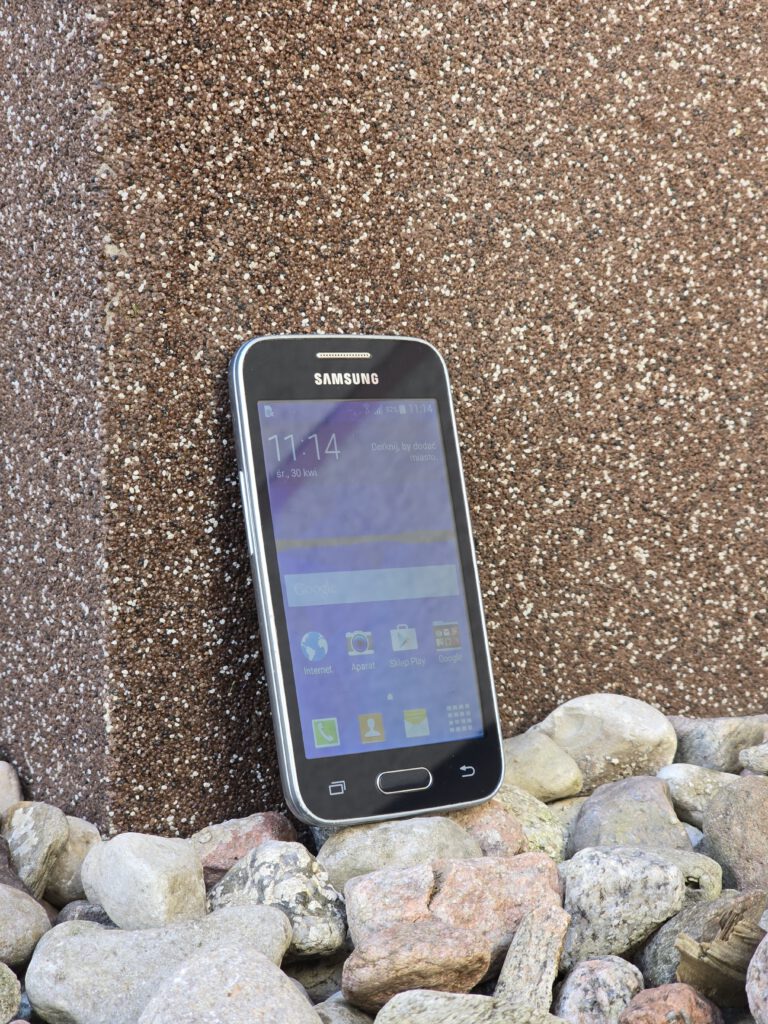
Budget Android needed a Samsung face around 2013, and the Galaxy Trend series delivered one.
Models such as the Galaxy Trend Plus and Galaxy Trend 2 offered Samsung branding, approximately 4-inch displays, dual-core processors, limited internal storage, and microSD expansion. Entry-level specifications struggled with modern applications and operating-system updates. The Galaxy J series later replaced the Trend family as Samsung’s primary budget lineup.
6. Samsung Pixon series
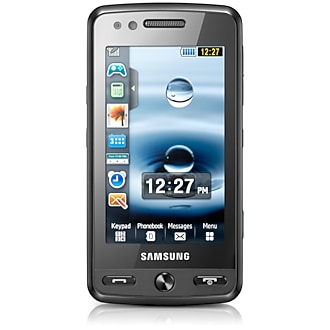
Camera performance defined the Pixon family before computational photography became common.
The 2008 Pixon M8800 featured an 8-megapixel camera, touchscreen controls, autofocus, and a xenon flash. The 2009 Pixon12 M8910 advanced the concept with a 12-megapixel sensor marketed as an early example of high-resolution mobile photography, a wide-angle lens, and 720p video recording. These models prioritized imaging hardware, but their appeal declined as smartphone app ecosystems became more important than standalone camera specifications.
5. Samsung Champ series
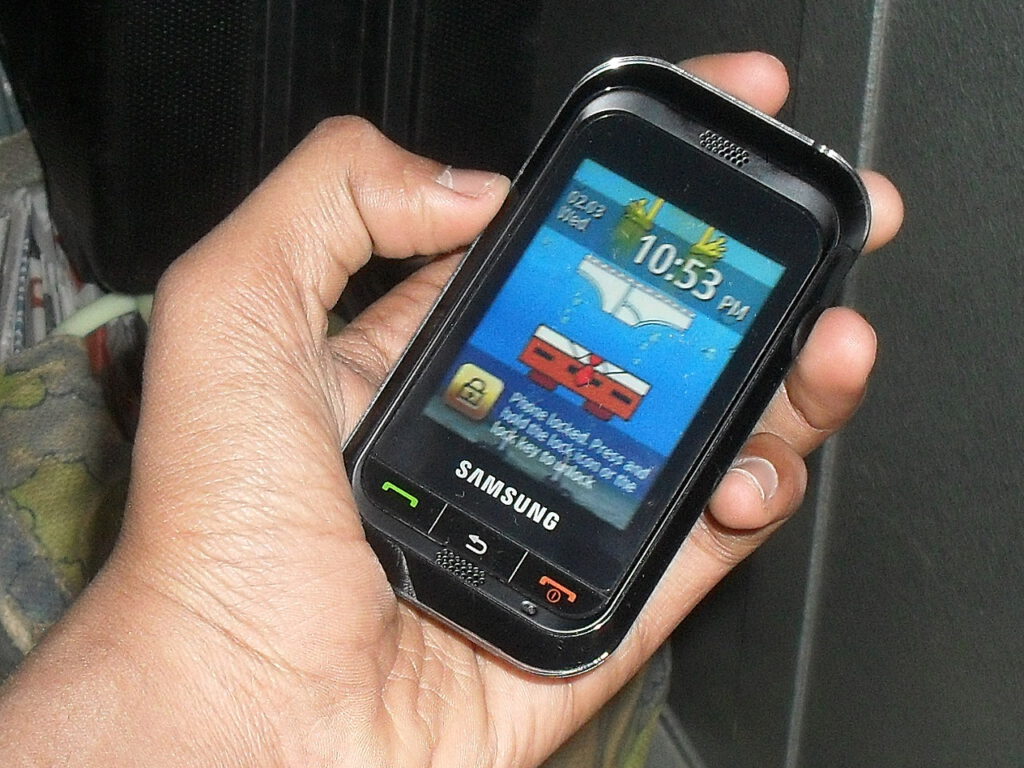
The C3300 Champ arrived in 2010 as a very small, low-cost touchscreen feature phone.
The Champ C3300 used a 2.4-inch resistive touchscreen, stylus support, a 1.3-megapixel camera, stereo speakers, and a removable battery. Samsung positioned the phone for young users and emerging markets, emphasizing affordability, durability, and long battery life over advanced specifications. Later versions included the Champ Deluxe and Champ 3G.
4. Samsung Monte series
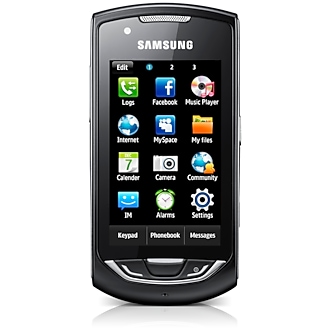
The Monte S5620 combined Wi-Fi, GPS, and 3G connectivity in a 2010 feature phone with a curved design.
The Monte S5620 offered advanced connectivity for its price, including a capacitive touchscreen, TouchWiz interface, social-network integration, and a 3.2-megapixel camera. Its curved profile and contrasting trim distinguished it from other budget devices. Samsung marketed related Monte-branded variants for different markets and form factors before Android displaced feature-phone lineups.
3. Samsung D.VA series
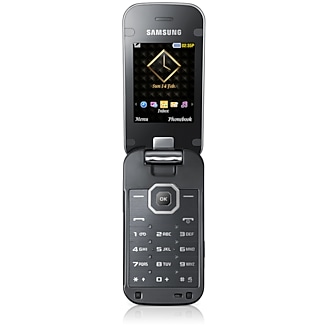
Fashion met function in a feature-phone range introduced around 2010.
The D.VA family, including the D.VA 5150, emphasized decorative design with a quilted or handbag-inspired rear finish and jewelry-style controls. Models included camera beauty filters, specialized shopping lists, and personal-safety functions. Public documentation for the complete D.VA range is limited, and specifications varied by market. The series illustrates Samsung’s strategy of creating phones for narrowly defined lifestyle segments.
2. Samsung Rex series
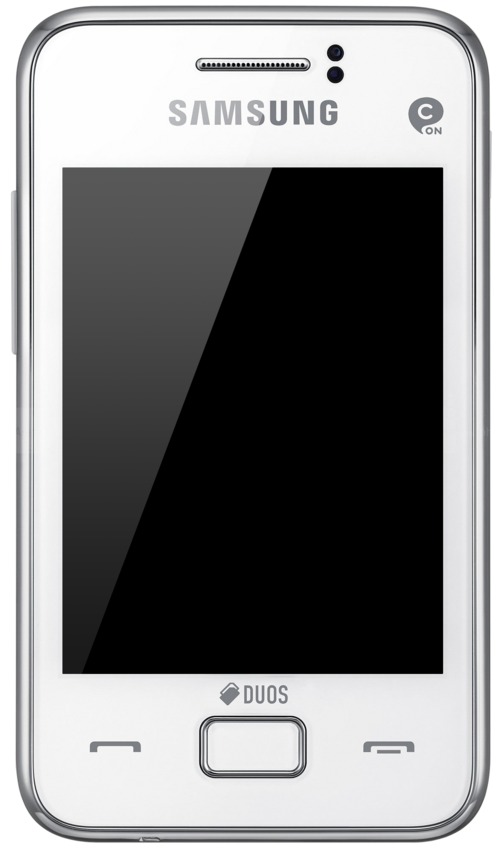
The Rex family launched around 2013 as a low-cost alternative to Nokia Asha phones and entry-level Android devices.
Models included the Rex 60, Rex 70, Rex 80, and Rex 90. They used touchscreen interfaces styled after Samsung’s TouchWiz experience, commonly supported dual-SIM operation, and included preinstalled services such as Facebook, Twitter, Opera Mini, and Java games. Rex phones targeted emerging markets, but the rapid decline in Android smartphone prices reduced demand for proprietary feature-phone platforms.
1. Samsung W series
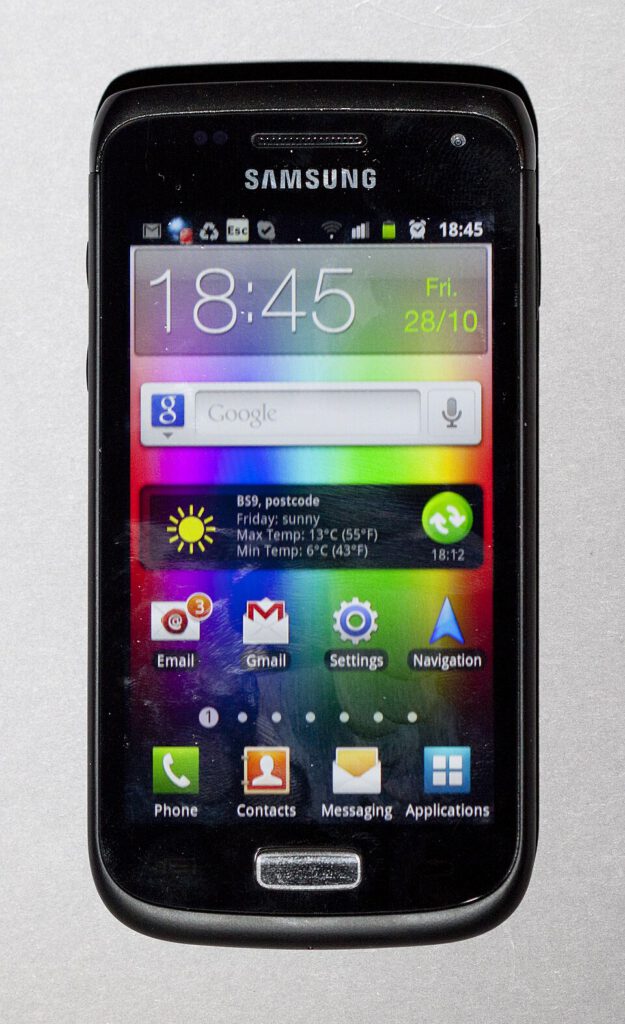
Premium flip phones sold primarily in China and selected Asian markets defined the Samsung W family.
Early W-series models were traditional luxury handsets, while later W-branded devices included high-end dual-screen flip smartphones. The W line has been associated with expensive materials, premium finishes, dual displays, and status-oriented positioning. In the modern era, Samsung uses W branding for luxury versions of foldable smartphones in specific markets, while the classic W-series collector phones remain distinct from the Galaxy Z range.
Samsung’s forgotten devices reveal a company willing to experiment with Windows Phone partnerships, optical-zoom cameras, pico projectors, proprietary operating systems, and fashion-forward feature phones. Not every experiment succeeded, but each one contributed to the engineering and market knowledge that powers the Galaxy lineup today.