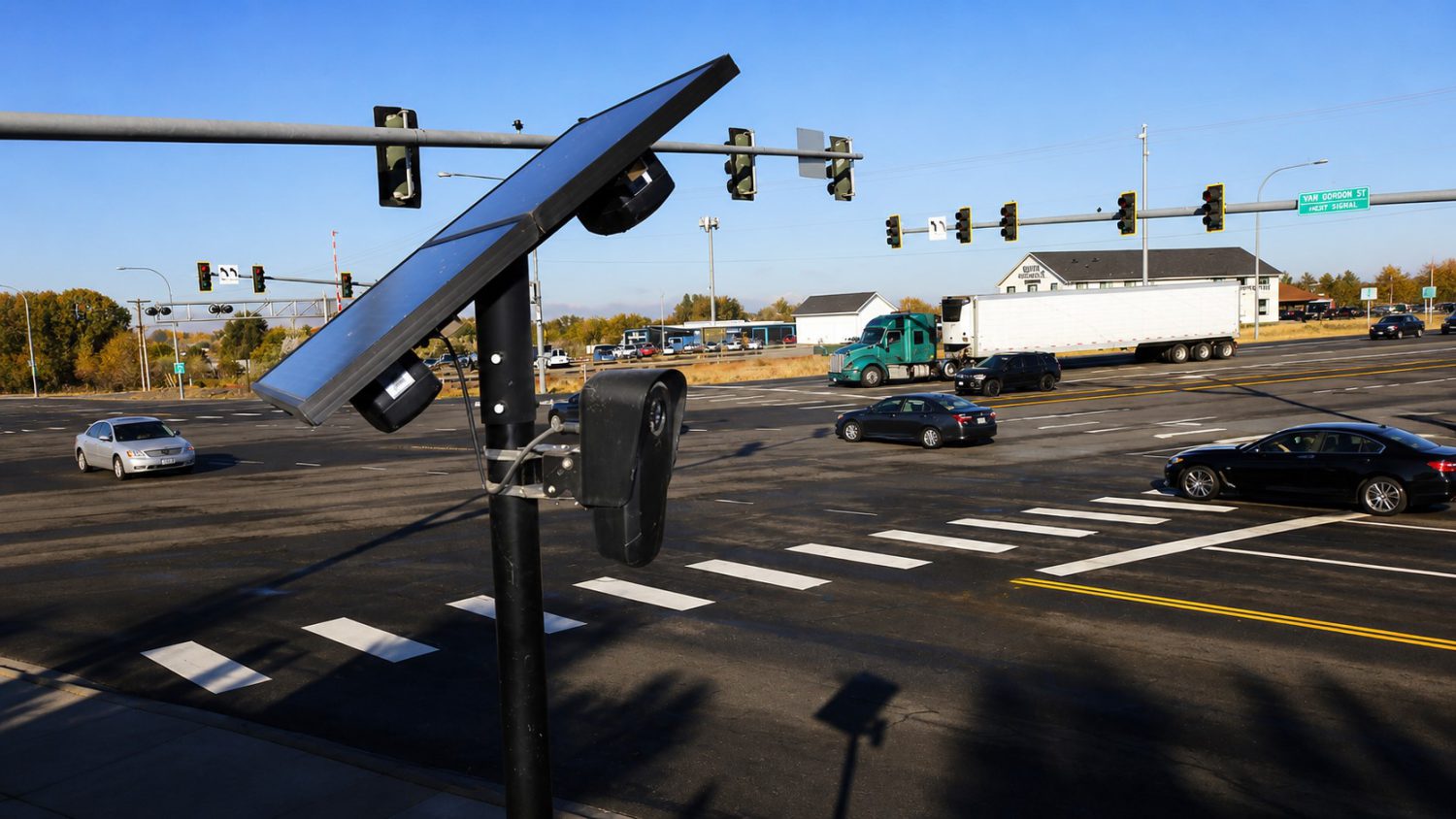
Ninety-three cities and counties cut ties with Flock Safety in August 2026 alone, according to advocacy group Secure Justice. That figure helps explain why a company valued at more than $8 billion is now offering its employees money to walk out the door.
Flock Safety, the Atlanta-based automated license plate reader company, raised roughly $1.2 billion in venture capital and achieved its latest valuation in April 2026. It launched a voluntary employee separation program on September 18, 2026.
The Exit Package
The severance terms go well beyond what the company has previously offered, according to people familiar with the program.
Employees who opt in can expect payouts in the tens of thousands of dollars, several months of continued healthcare coverage, and a two-year window to exercise vested stock options after departure, according to WIRED. Workers have until October 2 to apply.
Flock expects to approve most applications. Departures are scheduled for around October 29, though the company may ask some employees to stay an additional one to three months based on operational needs.
Sources familiar with the situation told WIRED that without the voluntary program, layoffs would almost certainly follow.
Why Customers Are Leaving
Contract cancellations have accelerated sharply in 2026, driven by privacy concerns, documented misuse, and regulatory action at the state level.
Secure Justice documented 93 governments ending their Flock contracts in August 2026 alone. Across all of 2026, roughly three times as many local governments dropped Flock compared to the previous five years combined, per Mother Jones.
Florida’s Department of Transportation revoked all active ALPR permits on state highway rights-of-way, effective August 31, 2026. Agencies were ordered to remove covered devices within 30 days. Texas halted state funding for Flock deployments around the same period.
Many Florida sheriffs extended removals beyond state roads to county and local environments, reflecting broader skepticism about the technology’s legality and community impact. For residents in those areas, the rollbacks mark the first time a government has reversed course on a surveillance contract after sustained public pressure.
The backlash has not stayed political. Citizens physically vandalized Flock cameras from Florida to California, driving up operating costs at exactly the moment the company’s revenue base is contracting. Sources cited by WIRED say Flock may fall short of its annual revenue targets and could eventually sell off parts of the business.
The reasons behind the pullback extend beyond optics. WIRED reported that officers allegedly used Flock’s systems to track former romantic partners and colleagues, a pattern seen with other surveillance app deployments. A technical analysis of a dismantled Flock camera showed the devices collect data well beyond basic plate numbers. Flock’s AI tools can reportedly scan feeds for people matching written descriptions and may be built to integrate with drones, according to a separate WIRED code analysis.
An internal Flock email described the separation program as offering employees “greater agency” and said it “treats employees with transparency, respect, and choice,” per WIRED.
What Comes Next for Surveillance Tech
Flock’s contraction is arriving less than six months after the company closed its most recent funding round, raising broader questions about the durability of surveillance infrastructure as a business model.
A company that secured $1.2 billion in funding and an $8 billion valuation now faces a structural question. Can automated surveillance infrastructure survive when the public it monitors withdraws consent? That answer is playing out across hundreds of municipal contracts, echoing broader anxieties about secretly tracking users without meaningful accountability. It will shape how investors, competitors, and regulators approach police technology for years to come.