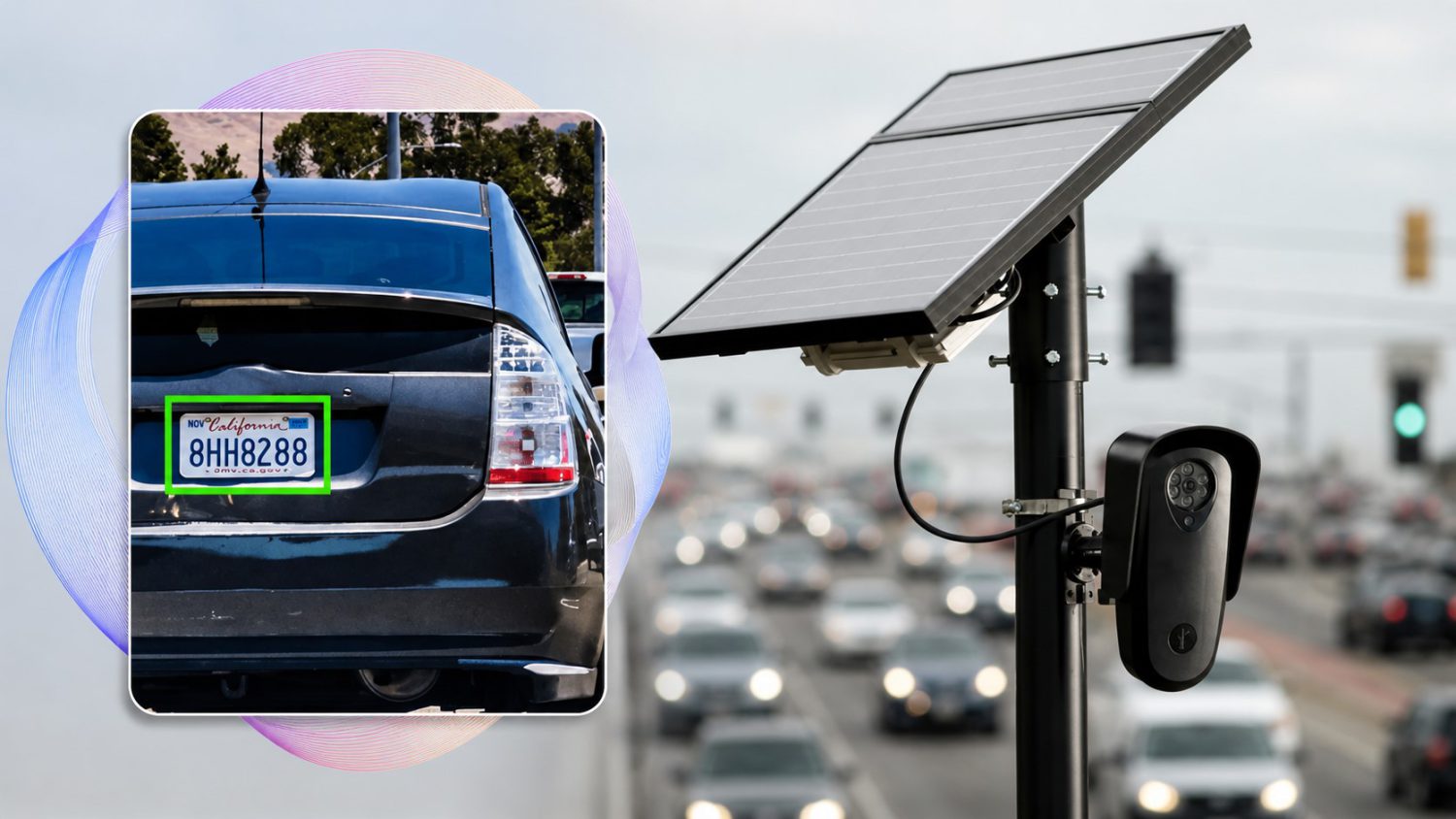
You pull into a Target parking lot. A Flock Safety camera reads your plate, logs the time, and stores your vehicle description in a cloud database built for law enforcement. The question CORCA raises is where that data goes from here.
The Consolidated Organized Retail Crime Act creates a new coordination center inside ICE’s Homeland Security Investigations coordination center, housed under DHS, specifically to centralize federal efforts against organized retail theft and supply-chain crime. According to All About Cookies reporting, the House passed it 348 to 60 in May 2026, with reportedly bipartisan Senate support spanning Ted Cruz, Amy Klobuchar, Dick Durbin, Katie Britt, Marsha Blackburn, and John Cornyn, though that Senate list could not be independently verified against primary congressional records.
Here is what the bill does not do. It does not explicitly require retailers to hand over camera footage, and it does not mandate live access to surveillance feeds, according to analysis by All About Cookies.
No provision in the bill’s text directly funds or requires Flock Safety cameras or any automated license plate reader system. That distinction matters, and any framing that collapses it misleads readers.
The Architecture of Ambiguity
The problem is not what the bill commands. It is what the bill permits.
CORCA’s information-sharing language is broad enough that camera footage, license-plate records, and consumer data could flow into the new DHS/ICE center without any additional statutory trigger, privacy advocates warn.
That concern has a documented precedent. Post-9/11 fusion centers were designed as temporary counterterrorism tools. Over the following decade, they quietly expanded into general-crime data clearinghouses with minimal oversight and negligible public transparency.
CORCA fits that lineage precisely. It is a narrowly framed coordination hub attached to a federal agency with broad investigative authority.
Rep. Thomas Massie‘s Flock-Off Act puts the contradiction in plain language. His official press release states: “The Flock-Off Act responds to Americans’ concerns about the growing surveillance state by prohibiting the use of federal funds to purchase, install, maintain, operate, or upgrade automated license plate readers and biometric surveillance cameras.”
That bill, H.R. 10221, would require federal agencies to remove existing federally funded systems within 180 days.
The bipartisan No FLOCK Act pushes further, threatening to withhold 10% of annual federal surface-transportation funding from any state that fails to strictly limit ALPR use.
Read both bills alongside CORCA and a stark contradiction emerges. Congress is simultaneously building a center that could ingest ALPR data and drafting legislation to defund the cameras generating it.
That is a policy contradiction with real infrastructure consequences, not a balanced policy debate.
Responsible implementation of CORCA would require several specific guardrails that currently do not appear in the bill’s described framework. Data minimization rules would restrict intake to records directly tied to an active organized-retail-crime investigation. Purpose-limitation clauses would bar agents from querying shared data for immigration enforcement or unrelated criminal matters. Judicial oversight standards would govern how federal agents access and search shared records. Public transparency requirements would identify which companies share what data, and under what conditions.
None of those provisions appear in the bill’s current described framework.
Stopping organized retail theft is a legitimate federal interest. Building the infrastructure to do it without usage limits, retention caps, or transparency requirements is how a shoplifting database outlasts its original mandate by twenty years. The Senate vote, if it follows the House margin, will determine whether those guardrails can still be negotiated into the final text before the center opens its doors.