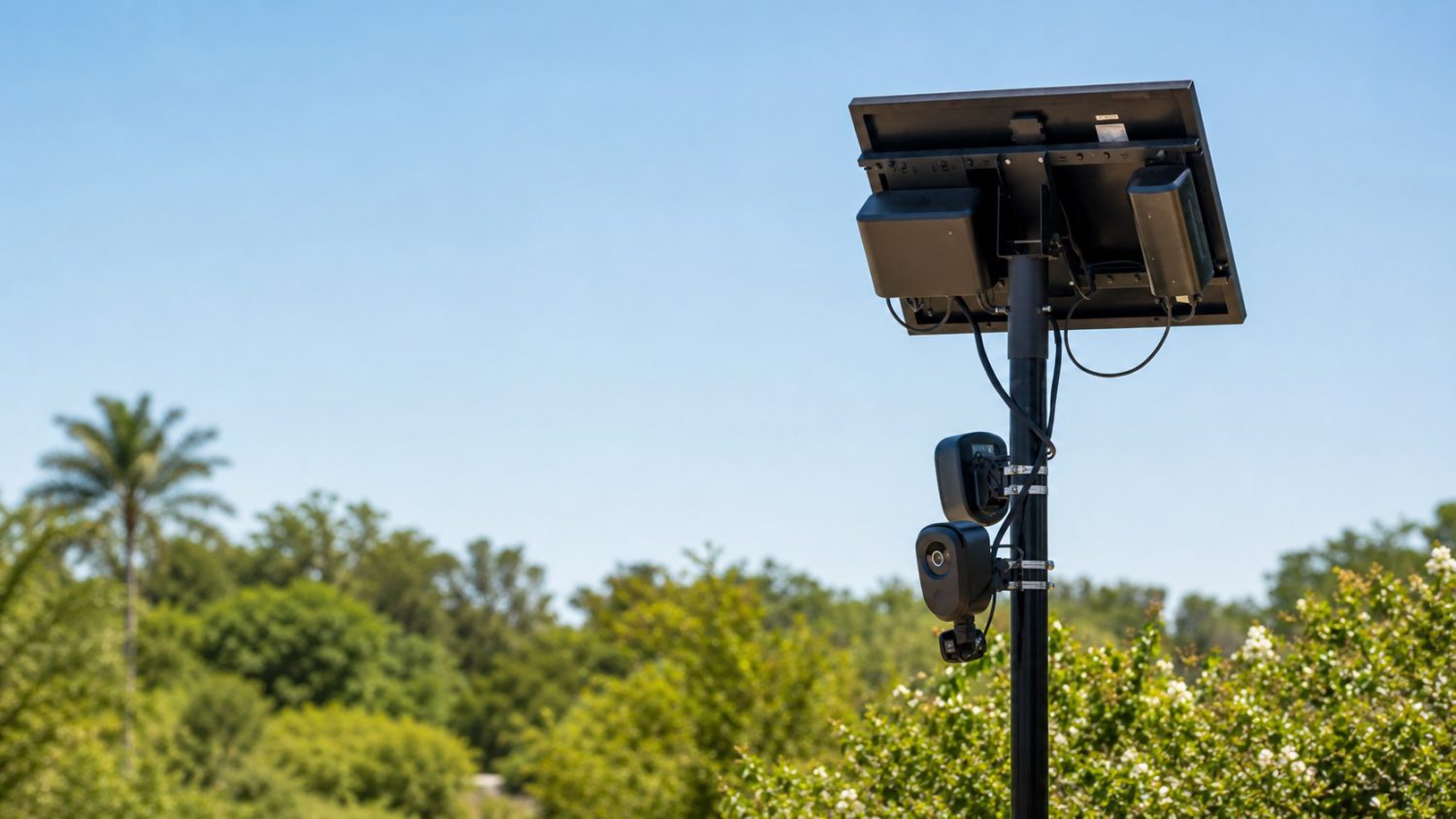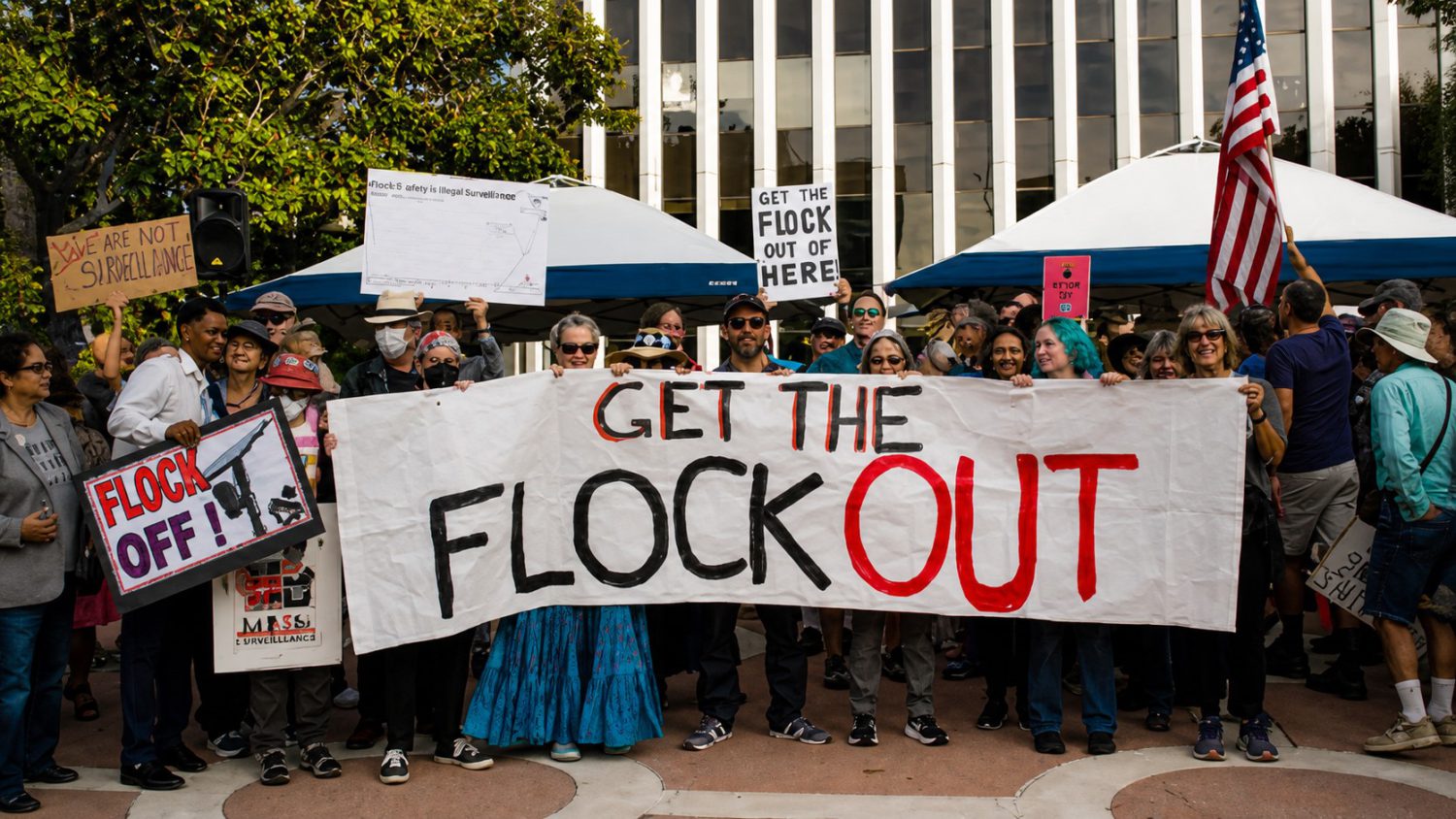
Congress is reaching for a familiar lever: money. A bipartisan House bill would strip states of 10 percent of their annual federal surface transportation funding if they fail to limit automated license plate readers to five narrow law-enforcement uses. The proposal, introduced by Rep. Raja Krishnamoorthi (D-Ill.) and Rep. Michael Cloud (R-Tex.), applies the same funding-pressure playbook that established the national drinking age to one of the fastest-growing surveillance networks in the country.
The stakes are concrete. At least 149 cities and counties have already canceled, rejected, or deactivated Flock Safety camera systems, according to Newsweek. Yet no state fully meets the seven privacy safeguards recommended by NYU’s Policing Project, and 26 states have no ALPR-specific statutes at all, according to TechTimes.
What the Bill Actually Does
The No FLOCK Act permits five uses and explicitly bars everything else.
Under the legislation, automated license plate readers could only be used for toll enforcement, stolen vehicle recovery, locating missing or endangered persons, identifying vehicles tied to felony warrants, and investigating vehicles involved in felony offenses. Traffic studies, parking enforcement, minor drug investigations, and routine speeding enforcement would be off-limits.
States that fail to comply would begin losing highway funding in October 2028, assuming the bill passes this year. A separate companion proposal would ban federal agencies from purchasing Flock cameras outright.
What Drove This
The documented abuses behind the legislation are specific and well-sourced.
A Kansas police chief queried Flock data 228 times over roughly four months to track his ex-girlfriend and her new partner, according to US News. Texas deputies used the system in an abortion-related investigation that was publicly framed as a missing-persons case.
EFF’s 2025 review documented Flock searches targeting protesters at “Hands Off” and “No Kings” demonstrations. Those searches also swept in Romani communities and women crossing state lines for reproductive care. A 2024 California police analysis found the system misread license plates in 71 percent of alerts, according to NPR, raising the real possibility of wrongful stops based on bad data.
“This is the biggest, most grassroots privacy backlash that I’ve ever seen in more than 20 years working on these issues,” ACLU senior analyst Jay Stanley told ABC News.
The NYU Policing Project’s scorecard found that not a single state met all seven recommended privacy criteria, per TechTimes.
The Limits of the Bill and Political Reality
The No FLOCK Act leaves several significant civil-liberties concerns unaddressed.
The bill does not ban Flock outright. It does not restrict data sharing with immigration authorities, which civil-liberties groups have identified as one of the most pressing risks. Data retention periods, algorithmic error rates, and mandatory auditing requirements are also outside its scope.
Flock has announced policy changes, but advocates have characterized them as largely cosmetic. President Trump has publicly endorsed Flock cameras as a law-enforcement tool, putting the White House directly at odds with the bill’s sponsors. Flock, meanwhile, has hired a fifth lobbying firm to shape federal policy, according to Wired.
What Comes Next
Surveillance tech is shaping up as a campaign issue heading into the 2026 midterms.
Flock cameras have joined rogue AI systems and data-center construction as prominent talking points across the political spectrum. Whether the No FLOCK Act survives a divided Congress and a potentially hostile White House remains an open question. The bipartisan framing is real, but so are the structural headwinds, and the 2026 midterms may prove to be the bill’s most important test yet.