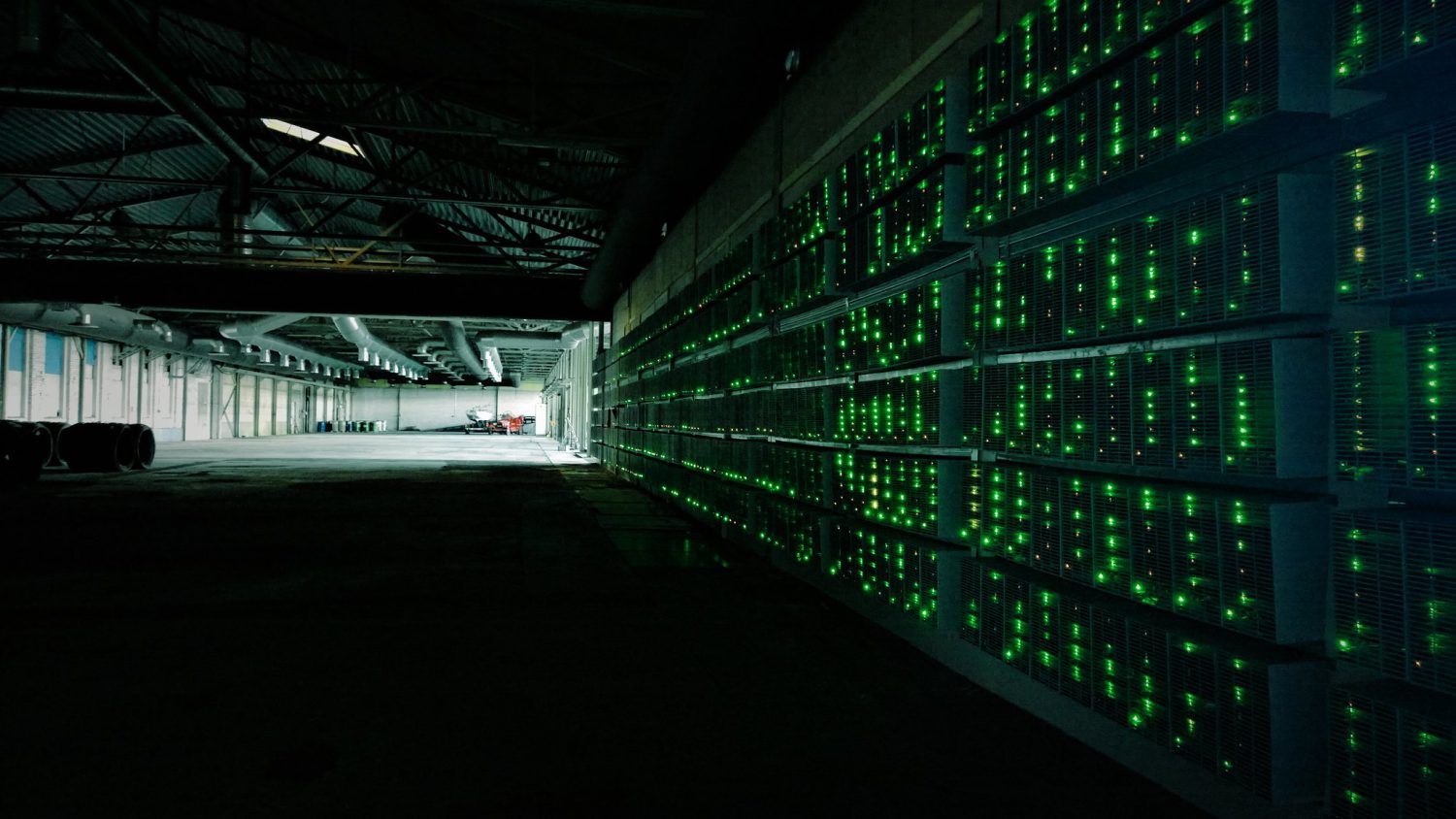
SoftBank confirmed in a July 15, 2026 letter to U.S. lawmakers that it donated $50 million to the Donald J. Trump Presidential Library Foundation in January 2026. On March 20, 2026, the Department of Energy and Department of Commerce announced a public-private partnership granting SoftBank access to federal land at the former Portsmouth Gaseous Diffusion Plant in Pike County, Ohio. The planned AI data centers would reach up to 10 gigawatts of capacity, backed by at least 9.2 gigawatts of natural-gas generation, enough to power an estimated 10 million homes.
Senators Elizabeth Warren and Richard Blumenthal and Representative Melanie Stansbury call the donation the largest publicly reported contribution to Trump’s library fund.
The Deal and What the Timeline Actually Shows
The confirmed facts are striking on their own; what connects them is exactly what lawmakers are trying to find out.
At full build-out, the Ohio project would rank among the largest AI computing installations in the country. It sits on a former nuclear site and uses DOE land-transfer rules that reportedly allow a streamlined permitting pathway, bypassing standard federal review processes.
DOE records complicate a straightforward corruption narrative, but they do not resolve it. An internal environmental notice dated November 17, 2025 shows the land-transfer process began before the donation. April 2026 documents name Pike County Portsmouth DC LLC as lessee.
The public announcement, however, came two months after the $50 million gift landed.
The surrounding context does not make the picture cleaner. The FTC approved SoftBank’s $4 billion acquisition of DigitalBridge, a major data-center investment firm, on March 11, 2026, nine days before the data-center announcement. Trump’s June 2026 AI executive order reportedly weakened regulatory provisions in ways that benefit large AI investors, including SoftBank. These are reported facts, not proven accusations; what connects them, if anything, is what the investigation is trying to determine.
The Loophole That Makes All of This Legal
The deeper problem is not what SoftBank did; it is what current law allows anyone to do.
SoftBank’s position is clear. In its letter to lawmakers, the company stated: “Most recently, in January 2026, the company made a $50 million contribution to the Donald J. Trump Presidential Library Foundation, Inc.”
The company says the donation follows the same philanthropic pattern as prior contributions to the Reagan and Bush presidential libraries, and that the funds will support library construction and a dedicated section on the U.S.-Japan relationship. No explicit promise of favorable treatment appears anywhere in the public record.
That is precisely the problem.
Presidential library donations from foreign corporations currently have almost no federal oversight. No cap on the amount. No waiting period before a favorable decision is legal. No requirement that anyone connect the dots publicly. It is the velvet-rope economy applied to federal policy: the price of access is invisible until after you are already inside.
Warren and Blumenthal introduced the Presidential Library Anti-Corruption Act in July 2025. It would cap donations at $10,000 from entities while a president is in office, impose cooling-off periods for foreign nationals and federal contractors, and require quarterly public disclosures of gifts above $200. That legislation remains unenacted.
The library fund’s broader finances raise additional questions. Lawmakers have identified between $6.5 million and $14.5 million in missing funds, along with $7 million in unexplained expenditures. ABC, Meta, X, and Paramount collectively pledged up to $63 million to Trump’s library through legal settlements; the current whereabouts of that money have not been publicly accounted for.
No proven quid pro quo exists in the public record. That ambiguity is not exculpatory; it is structural. Current law does not require explicit promises, mandatory disclosure, or any public accounting of what a $50 million gift from a foreign tech conglomerate actually secures. Until the law changes, the question Senator Warren is asking will keep answering itself with covertly influencing policy through opaque funding channels going unaddressed , and with silence.