Mid-sprint, you glance at your wrist. Your heart rate reads 187 bpm. Is that real, or is your Apple Watch guessing again? Series 12 and Ultra 4 are Apple’s answer to that doubt — and the fix isn’t on the face of the watch. It’s underneath. Apple has redesigned its optical and electrical sensing system, then wrapped it in software that tracks your Readiness, estimates your Health Age, and maps your Longevity. That’s the actual news here. The redesigned Health app adds Health Age (combining VO₂ max, sleep, and blood biomarkers) and a Longevity tab powered by Apple Intelligence.
What Actually Changed Under the Hood
The sensor overhaul is less about what you see and entirely about what’s pressing against your skin.
Here’s what’s reportedly different:
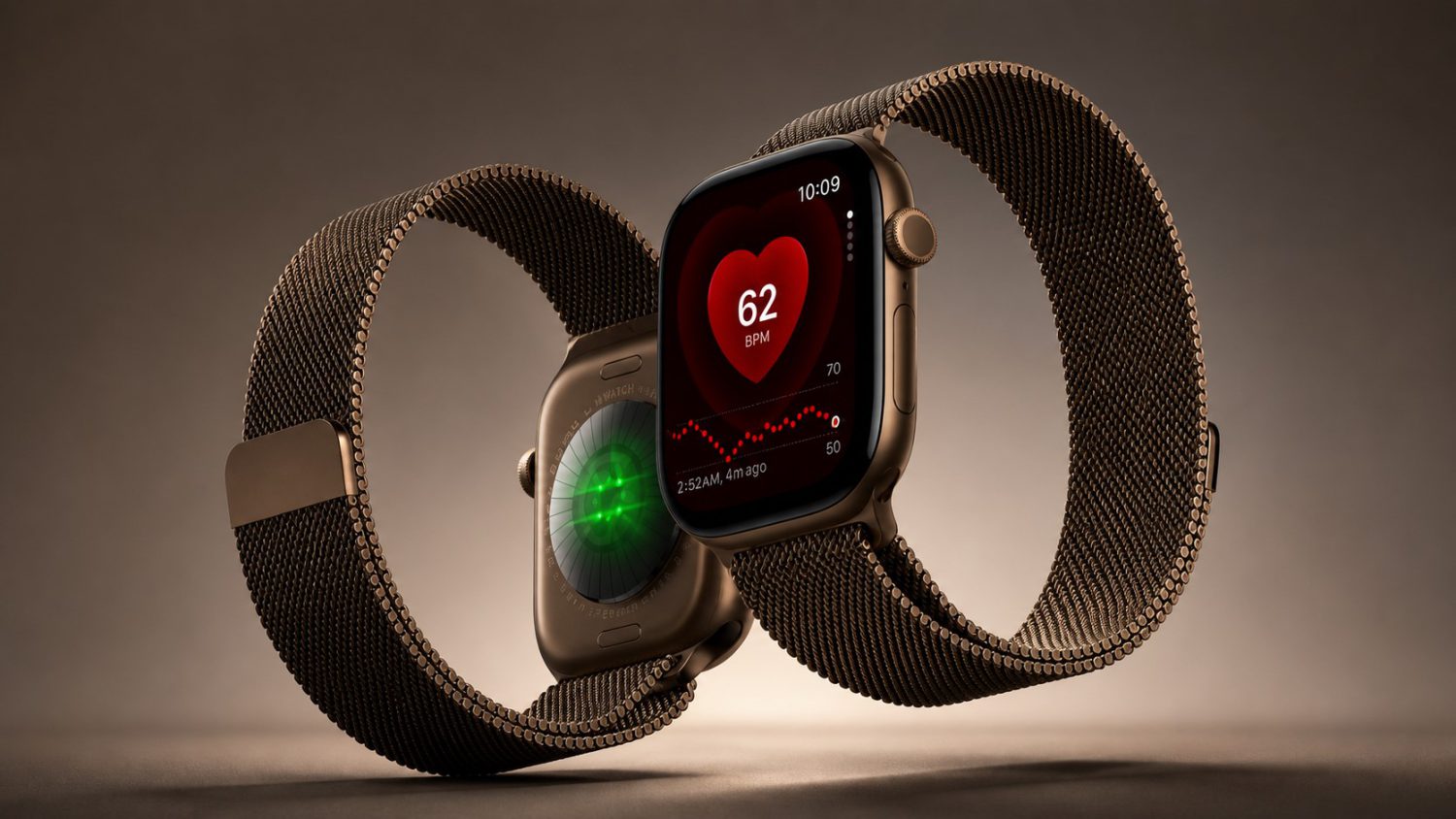
- Photodiodes now sit in a ring formation on the watch’s underside, capturing reflected light from multiple angles simultaneously. Apple claims this makes it the most accurate optical heart-rate system the company has produced, citing an internal validation study using ECG chest straps across running, cycling, and HIIT sessions. Peer-reviewed methodology has not been made public.
- A larger ECG electrode surface improves skin contact, reducing signal noise during single-lead readings.
- Bigger, more power-efficient green LEDs enable more continuous heart-rate sensing without proportional battery drain.
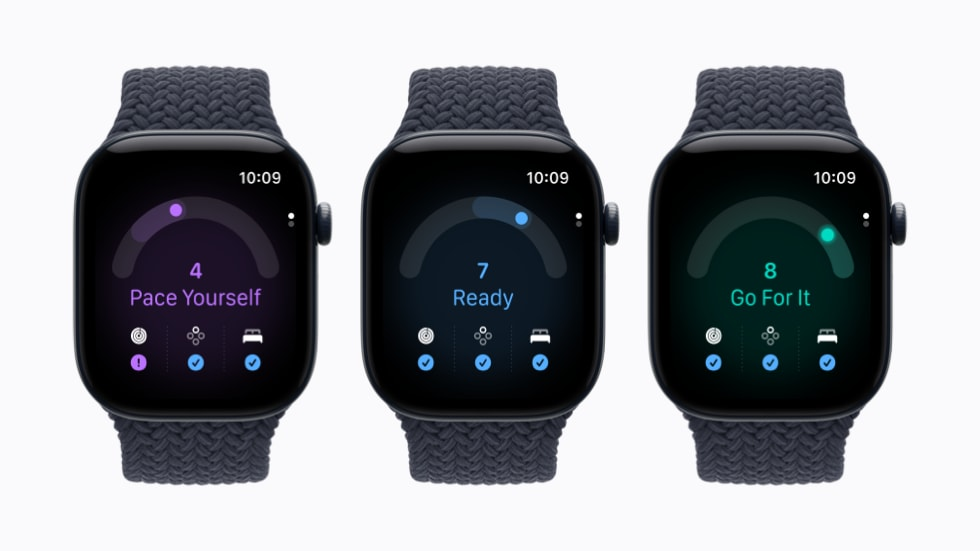
- A new Readiness app — parked next to the Workout app in watchOS — reportedly generates a daily score each morning: recover, maintain, or push. It draws from overnight vitals, sleep data, and continuous heart-rate trends. Whoop and Oura built entire businesses on this concept. Apple is folding it into a watch most people already own.
- The redesigned Health app adds Health Age (combining VO₂ max, sleep, and blood biomarkers) and a Longevity tab powered by Apple Intelligence.
The Lab Partnership
Where Oura stops at your wrist, Apple is reportedly reaching into the clinic.
Through a partnership with Quest Diagnostics, U.S. users will reportedly be able to order an optional blood panel covering more than 50 biomarkers for $119 — based on current Quest-powered longevity panel offerings and subject to change at launch — feeding directly into Health Age and Longevity features. Useful, if you trust the underlying models. Health Age algorithms are proprietary, and published clinical validation does not yet exist for Apple’s specific implementation. Users who store health data in iCloud should also keep an eye on evolving platform authentication changes.
That’s a lot of trust to place in a black box.
Apple has not specified how frequently users should retest, and the clinical actionability of its guidance remains unverified.
What It Means for Your Wrist (and Your Doctor’s Office)
For anyone already obsessing over a Garmin training load or an Oura recovery score, Readiness will feel immediately familiar — just on a device you likely already own.
Apple’s edge isn’t the score itself. It’s that Readiness lives on a mainstream smartwatch platform with an enormous installed base of users who already sleep with it on their wrist. Regulatory reality check: refined hypertension notifications on Ultra 4 reportedly remain under FDA review. Blood-pressure and glucose readings at clinical precision are future goals, not shipping features. Ultra 4 pricing is expected to land around $799–$899, though official figures have not been confirmed.
The ring of sensors on the underside is a small physical change carrying significant implied ambition. Whether Apple’s models prove accurate enough for clinicians to trust — or just accurate enough for you to feel better about skipping leg day — remains to be seen.