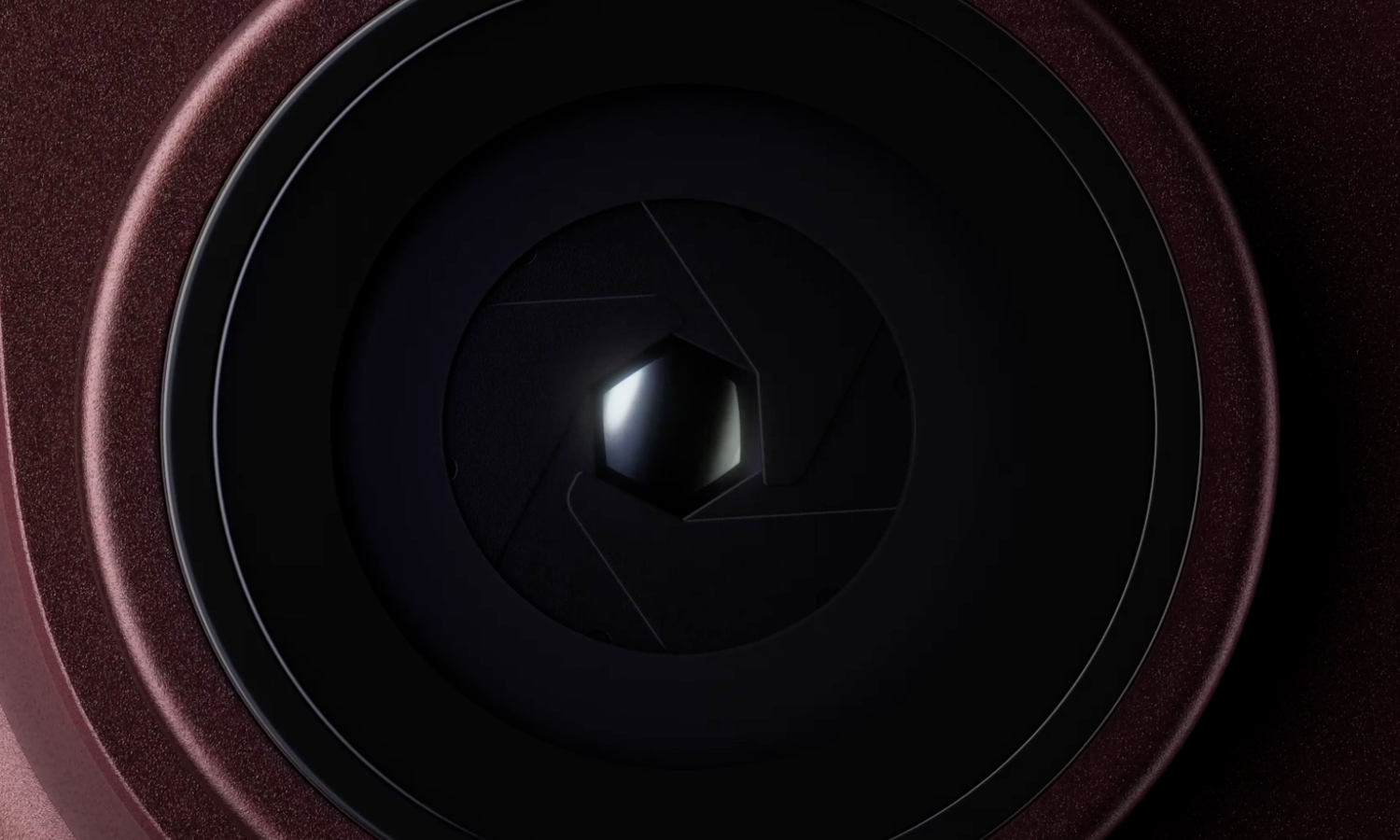
For most of 2026, the camera rumor mill had a clear verdict: variable aperture belongs to the Pro Max. Leakers Ice Universe and Mark Gurman both pointed that direction, and multiple outlets reinforced the expectation that the smaller Pro would settle for fixed glass. That reporting still holds. According to current sourcing, the mechanical variable aperture on the 48 MP Fusion main camera is a Pro Max exclusive. If camera hardware is your deciding factor, the size question just answered itself. For a broader look at imaging options across price points, see our roundup of the best cameras available right now.
The Iris That Changes With the Room
Six blades thinner than a human hair are doing more work than most camera apps ever could.
Think about a dim restaurant where your current iPhone smears every candle and face into impressionist mush. The Pro Max’s answer is a mechanical iris built from six laser-cut polymer composite blades — each reportedly thinner than a human hair — that continuously shift between approximately f/1.4 and f/2.8. That’s not a two-step toggle like Samsung‘s earlier dual-aperture experiments. It’s a continuous range, closer to a DSLR than anything a smartphone camera has offered before. Apple has described it as “the most advanced camera we’ve ever made,” though independent verification of the exact specification awaits full spec-sheet publication and hands-on reviews.
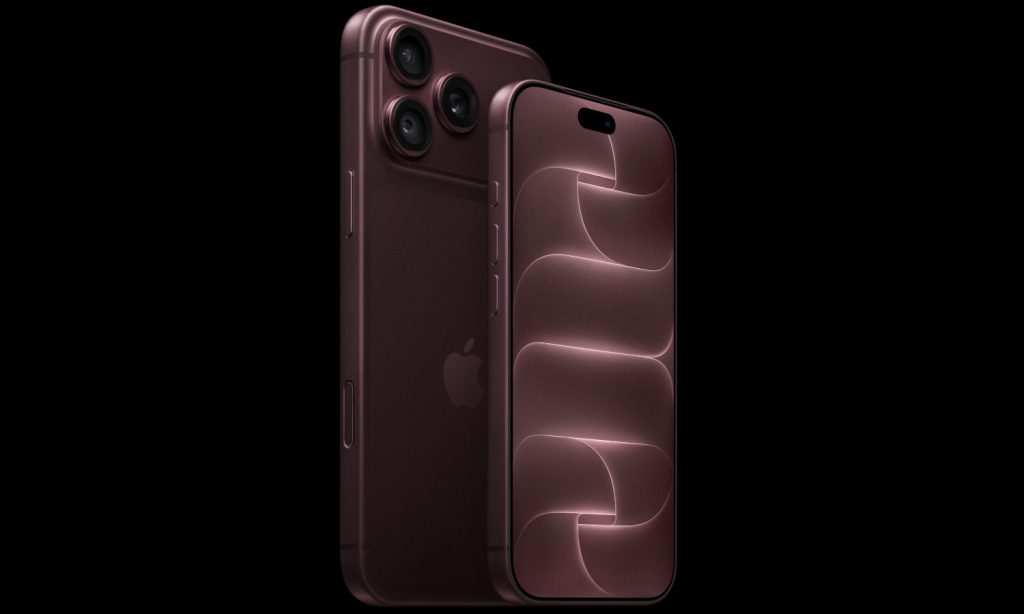
Key specs at a glance:
- 48 MP Fusion main camera with mechanical variable aperture, reported on the Pro Max
- Mechanical iris: six laser-cut polymer composite blades
- Aperture range: approximately f/1.4–f/2.8, continuous adjustment (per pre-launch reporting)
- Low-light claim: aperture reportedly opens to admit ~50% more light (Apple claim; unverified until reviews land)
- iOS 27 expected to include aperture-based image correction that adapts lens distortion fixes by f-stop setting
What This Actually Does to Your Photos and Video
Automatic exposure control that reads the room — plus post-capture cinematic tricks that creators will find hard to ignore.
Apple claims that admitting roughly 50% more light in dark scenes translates to sharper shots, less noise, and fewer shutter-speed compromises. The iris widens automatically when the scene goes dark and closes down in harsh sunlight to protect highlights. No manual intervention required. That gap — between a sharp concert shot and the blurry mess you delete at 2 a.m. — is exactly what a continuously adjusting aperture is designed to close.
Video shooters have their own reasons to pay attention. Cinematic mode depth-of-field effects can reportedly be applied to regular footage after capture, which is essentially the iPhone learning to do in post what a focus puller spends years perfecting on set. Cinematic-style effects are also said to support up to 60 fps for half-speed playback, giving creators more flexibility without forcing every decision at the moment of capture.
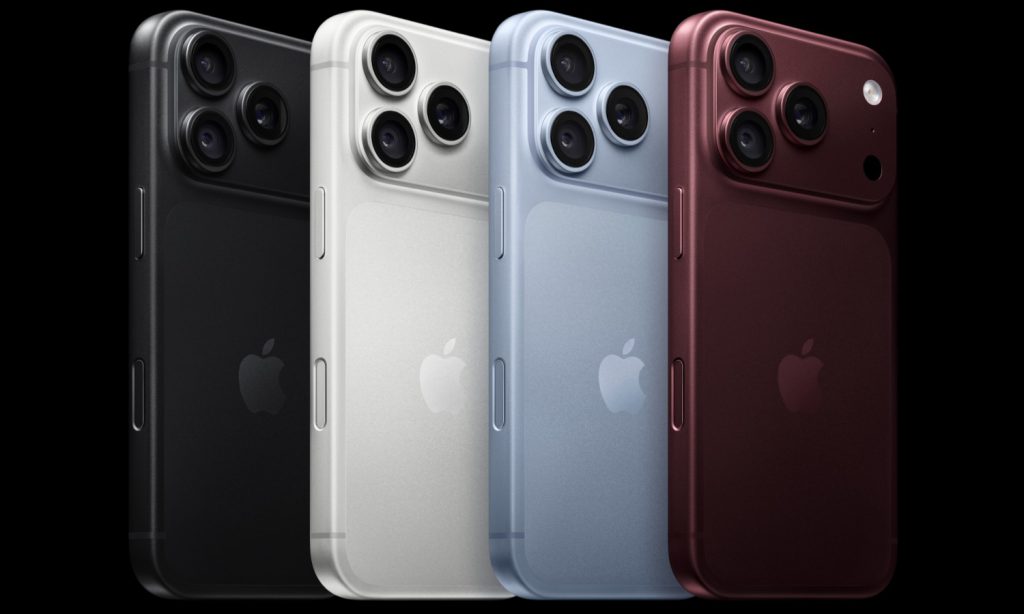
The buyer calculus is straightforward under current reporting. Variable aperture appears to remain a Pro Max distinction, meaning the camera capability gap between the two Pro models likely still exists. Your choice between iPhone 18 Pro and Pro Max may well hinge on more than screen size and battery life.
Pricing remains unconfirmed. But for photographers and video creators who want Apple’s most advanced imaging hardware, the Pro Max is where that story currently lives — megapixel bump or not.