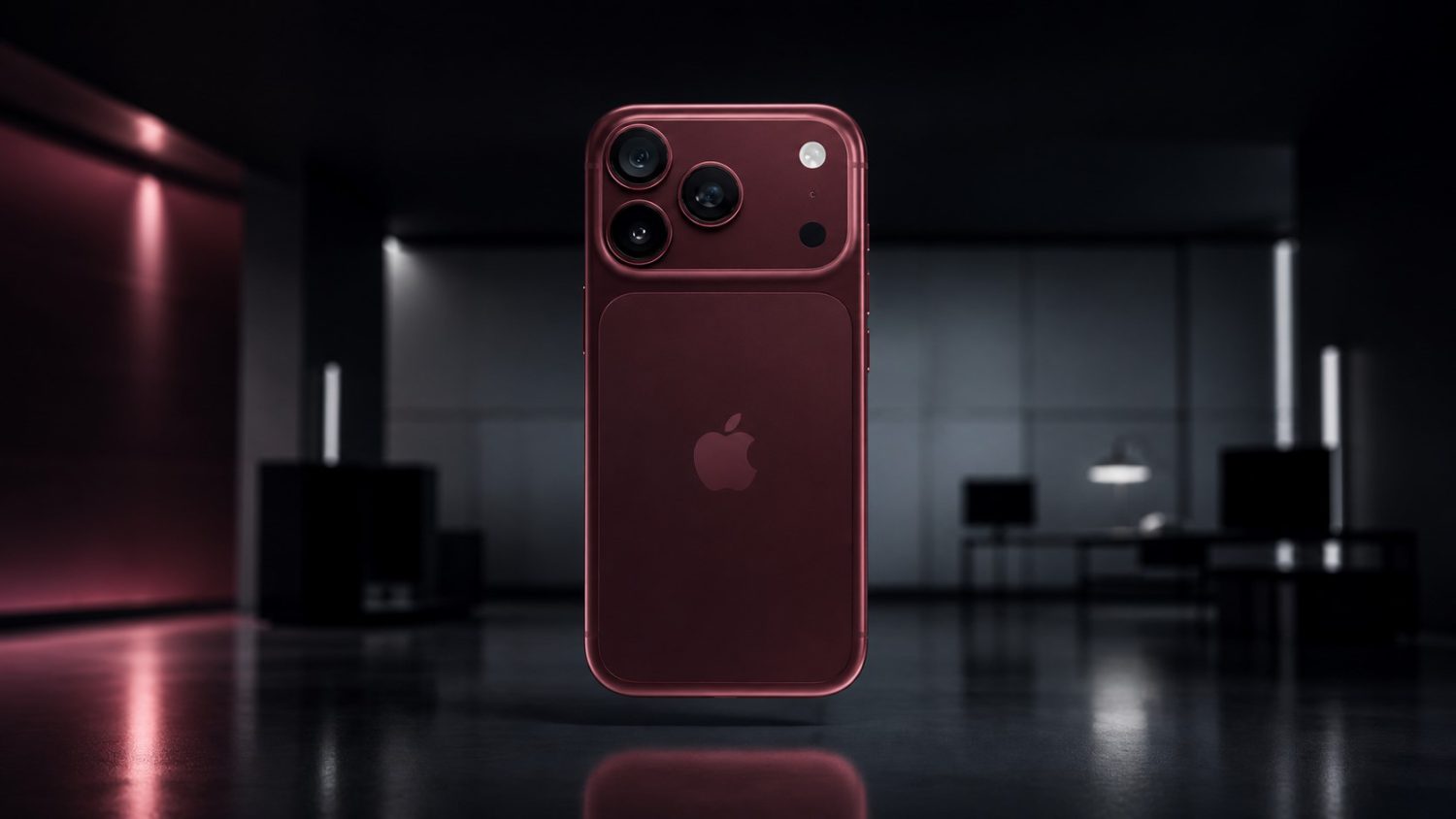
Twelve gigabytes of RAM. That’s the number Apple quietly made into a velvet rope. The iPhone 18 Pro and Pro Max landed at Apple’s “Surprise and Shine” event carrying the new A20 Pro chip and 12GB of unified memory — and that memory figure is the actual story. iOS 27’s most advanced Apple Intelligence features only run on hardware that clears the 12GB threshold. Pro-tier devices qualify. Standard iPhone 18 models, delayed to spring 2027, won’t. Apple just made AI capability a Pro exclusive.
The Chip That Runs Cooler and Thinks Harder
TSMC’s 2nm A20 Pro trades brute heat for sustained intelligence by rethinking how the chip is physically assembled.
Run a graphically demanding game for twenty minutes on most phones and the processor starts throttling — quietly sandbagging performance to avoid cooking itself. The A20 Pro, built on TSMC’s 2nm (N2) process, is engineered specifically to avoid that scenario. WMCM packaging — Wafer-Level Multi-Chip Module — places the processor and memory side-by-side rather than stacking them, reducing heat concentration and sustaining performance under load. Based on TSMC’s node-level projections — not confirmed Apple benchmarks, worth flagging — the A20 Pro should deliver roughly 15% faster performance and 30% better efficiency than the A19. Leaked circuit diagrams reported by 9to5Mac suggest seven GPU cores, up from six in the A19 Pro, alongside a faster memory interface.
Apple is widely expected to deploy its in-house C2 modem on iPhone 18 Pro models, though some reports suggest Qualcomm hardware may persist in specific markets, paired with a new N2 network chip. Where the C2 lands, Apple controls its custom silicon stack from application processor to cellular modem. That integration matters for efficiency, not just corporate pride.
The Camera Gets a Mechanical Iris. The AI Gets a Bouncer.
Variable aperture brings genuine optical control to the main camera — while 12GB of RAM decides who gets the full iOS 27 AI suite.
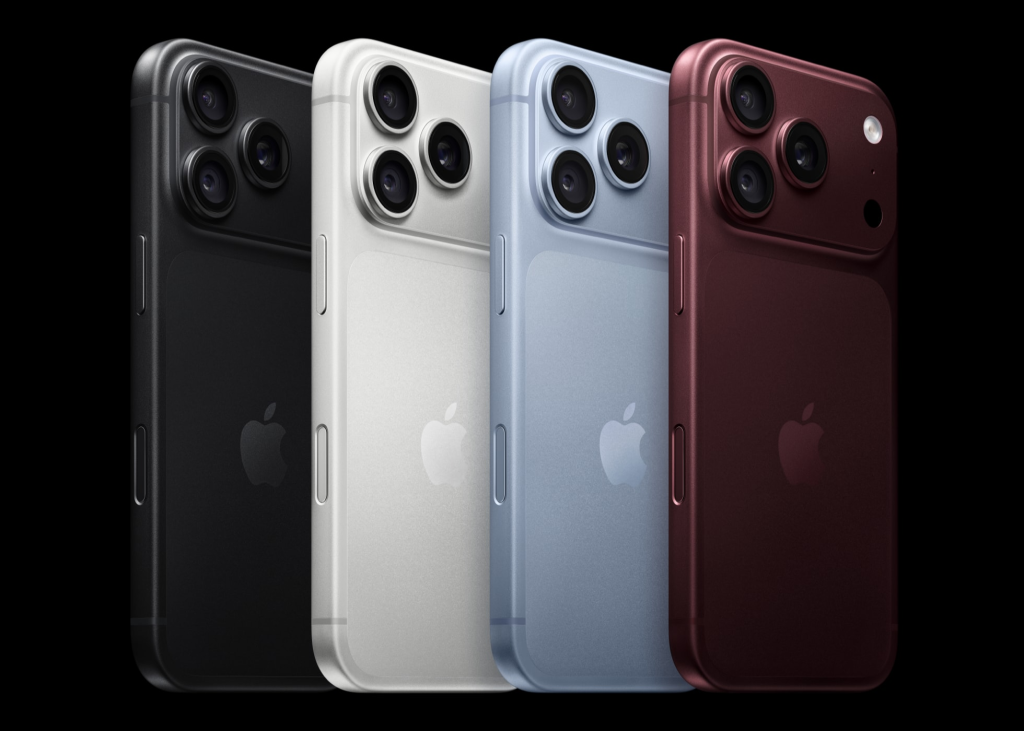
Your phone’s camera has spent years pretending to be a DSLR through software. The 48MP main camera on the iPhone 18 Pro and Pro Max actually gets closer to honest: a variable aperture main camera that physically adjusts its opening for different lighting conditions and depth-of-field control, rather than faking it entirely in post-processing. According to reporting from MacRumors, AppleInsider, and Digital Trends, this feature appears on both Pro models — though Apple has not yet released final per-lens specs. For a broader look at best cameras across the market, dedicated options still offer unique advantages.
Then there’s the AI gate, and this is where Apple gets ruthless about segmentation. Per TechTimes reporting, iOS 27’s most capable on-device Apple Intelligence features require a minimum of 12GB of unified memory. The following devices clear that bar:
- iPhone 18 Pro
- iPhone 18 Pro Max
- Foldable iPhone Ultra
The standard iPhone 18, arriving in spring 2027, won’t. This isn’t an accident or a supply constraint. It’s architecture as strategy — think of it as Apple building Spotify’s premium tier directly into the hardware. The Pro line no longer just earns its price through titanium frames and telephoto lenses. It earns it through exclusive access to what iOS can actually do.
The Bottom Line
If the last two upgrade cycles felt optional, this one draws a line — for the right kind of user.
Design stayed largely the same:
- 6.3 inches for the Pro
- 6.9 inches for the Pro Max
- A slightly trimmer Dynamic Island
- A Dark Cherry color doing the heavy lifting for visual differentiation
If you’re upgrading from an iPhone 17 Pro purely for looks, there’s nothing dramatic here. But if you’re on a 16 Pro or earlier and on-device AI utility is part of your daily workflow, this is the upgrade that changes what your phone can do — not just how fast it does it. The gap between Pro and everything else just got structural.