Two days into owning her first car, a college student gets pulled over a second time. Same reason as the day before: the system flagged her temporary tag. She has valid insurance. She has a legal plate. The database just hasn’t caught up yet. The officer’s alert, though, says otherwise—and the algorithm doesn’t accept “I literally just bought this car” as a defense. This isn’t one family’s bad luck. It’s a pattern baked into the system’s architecture. We talked about how San Jose has a Flock problem, and it’s far from alone.
This isn’t a one-off bureaucratic hiccup. It’s the design.
AI Speed Meets Outdated Data: The Gap That Stops You
Modern surveillance cameras are generating real-time alerts from databases that still move at 1990s speed.
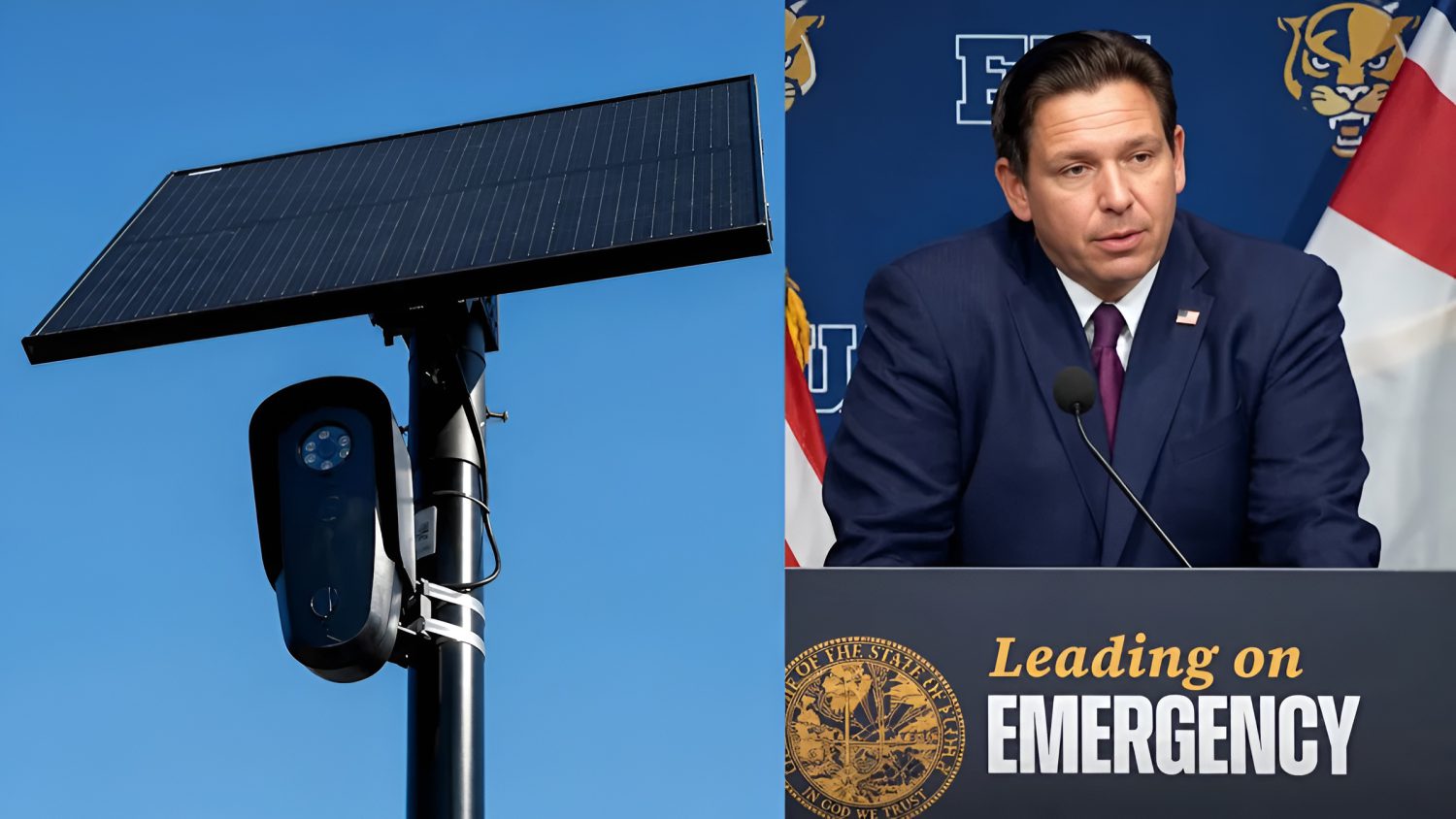
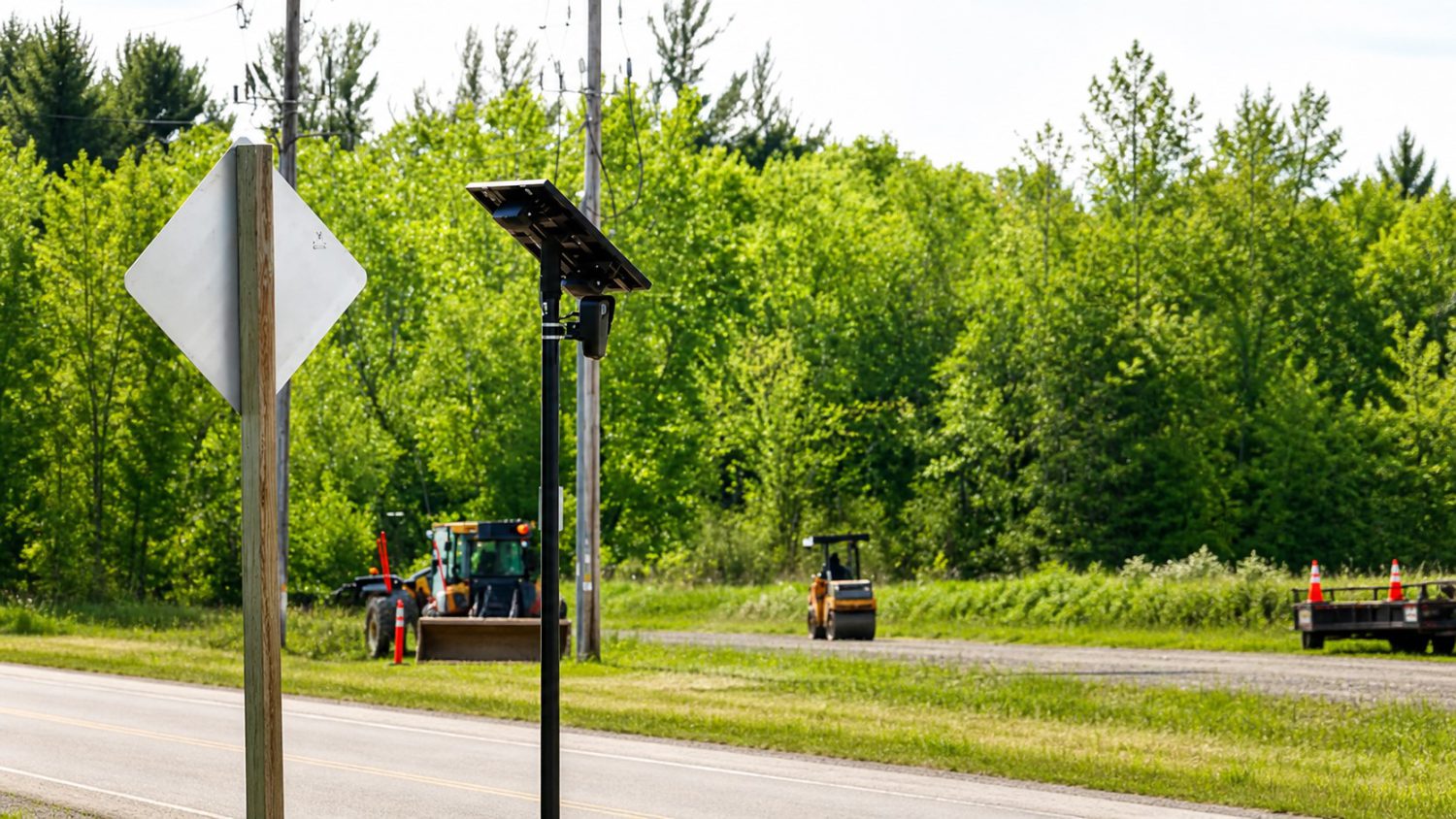
Flock Safety’s cameras photograph every vehicle that passes—extracting plate numbers, make, model, color, and visual markers like bumper stickers and temporary tags. That data hits a cloud database in near real time, then automatically cross-references FBI NCIC hotlists and local watchlists. The system explicitly supports temporary plate detection, meaning new-car drivers aren’t invisible to the network. They’re first in line for a mismatch.
Here’s what that network looks like behind the scenes:
- Tens of thousands of cameras feed shared systems accessed by local departments, private HOAs, and federal agencies including ICE and the Secret Service—no warrant required.
- Default data retention shifted from 30 days to 7 days under public pressure, but “Evidence Mode” can extend retention beyond that window once an officer opens a case—a loophole the ACLU warns could enable quasi-indefinite storage of large swaths of scan data.
- DMV and insurance databases carry well-documented update lags for new purchases and temporary tags; Flock alerts treat that lagging data as authoritative.
- Dozens of officers have been disciplined or terminated for using Flock to track ex-partners, with the ACLU noting the platform generates billions of monthly scans on people who have done nothing wrong.
Chad Marlow, senior policy counsel at the ACLU, puts it plainly: Flock is “a mass surveillance company that collects billions and billions of license plate scans every month on people who have done nothing wrong.” Broader concerns about secretly tracking users through unaccountable data collection echo this same systemic problem.
It’s Not Random: Who the Cameras Watch Most
Surveillance infrastructure concentrates where it always has—and the error loop hits hardest there.
When the system fires an alert, you absorb every error it makes. Pull over, explain yourself, prove your compliance roadside—because the algorithm said so.
Flock’s recent reforms—shorter retention windows, abnormal-search detection—are real. They’re also, as both the EFF and ACLU note, incremental patches on a structurally broken design. Think less CSI, more Kafka with a dashcam.
Camera deployments concentrate in lower-income and minority neighborhoods. That’s not a coincidence—it mirrors existing patrol patterns. Residents there face this error-and-stop cycle far more often than drivers in lightly surveilled suburbs.
Christopher Rivera of the Texas Civil Rights Project warns that authorities can use Flock’s databases “to search our everyday routines, which ultimately scrapes out our routes to work, where our children go to school, and where we worship—and that’s very problematic.” A recent exposé on a covert surveillance app built to monitor citizens underscores how broadly such tools are being deployed beyond traditional law enforcement contexts.
Some cities are already reviewing or canceling Flock contracts, and bipartisan pushback is growing. But the core question stays unanswered: should a real-time surveillance grid be running on data that can’t keep pace with a college student’s first car purchase? No policy tweak resolves that. Only a serious reckoning with the design itself does.