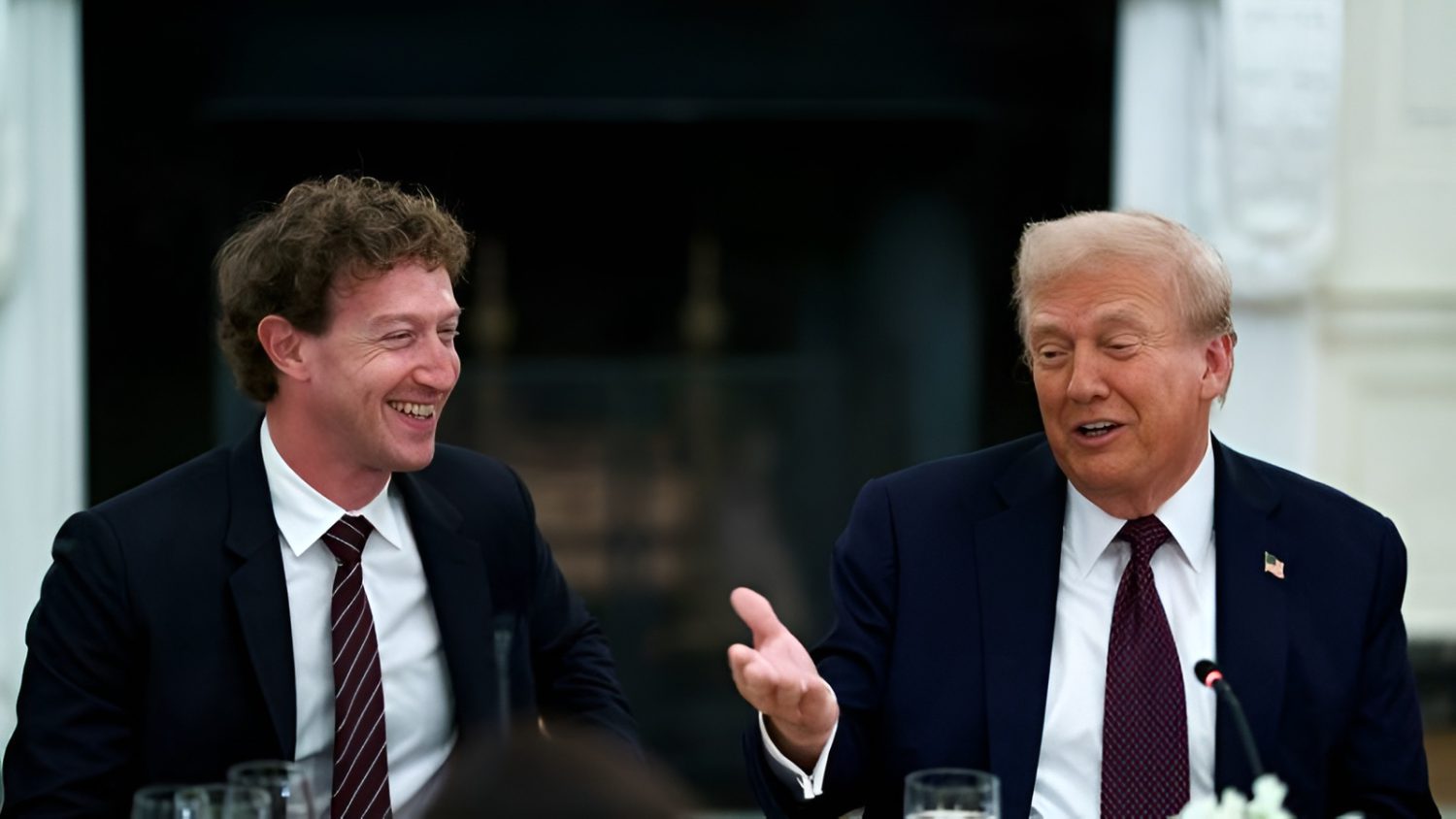
Somewhere between a serious White House proposal and the president’s phone, U.S. AI policy quietly changed shape again. In the week of August 17, Meta CEO Mark Zuckerberg told President Trump that a plan to create a national AI oversight body was — according to a senior White House official with direct knowledge of the call, as reported by Politico — a flawed idea. No press conference. No regulatory filing. Just a call, reportedly placed by Trump first, though accounts differ slightly on who initiated it.
Two Models, One Phone Call
The administration is weighing two sharply different regulatory frameworks, and industry has a loud voice in which one wins.
The FINRA model envisions an independent, industry-funded regulator — modeled on the Financial Industry Regulatory Authority that oversees securities markets — that would test frontier AI models for security risks before broad release. Google DeepMind’s Demis Hassabis championed the concept in a July essay, then briefed White House officials directly. The competing proposal, pushed by Trump adviser David Sacks on the August 21 episode of the All-In podcast, borrows from the Motion Picture Association: a voluntary ratings system where an industry body assigns risk labels to AI models — think “R” or “PG-13,” but for AI. Sacks claims Elon Musk backs the idea, though Musk did not respond to media requests for comment.
Sacks warns that a FINRA-style body would become “a DMV for AI” — models stuck in testing queues, incumbents entrenched, startups squeezed out. Anthropic co-founder Jack Clark posted favorably about the FINRA approach on X in July. Meta, OpenAI, and Google declined public comment. And despite Zuckerberg’s opposition, the proposal remains under active White House consideration.
“Any policy which slows down a model’s release — even by a month — would add significant risk to American leadership.” — Mark Zuckerberg, August essay
While Hassabis was briefing officials on testing protocols, Zuckerberg was making the China argument — and it’s reliably effective with this administration. Delay a model release, hand Beijing an advantage. It’s the tech industry’s most consistent card, according to Politico’s reporting. Debates over AI Data Centers show similar government-industry tensions playing out across U.S. AI governance.
This is the second time in months that a phone call reshaped U.S. AI policy. In May, a draft executive order requiring up to 90 days of national-security review before model releases was scrapped after late-night calls from Sacks, Musk, and Zuckerberg to Trump, per TechTimes and The Hill. The signed version featured a voluntary 30-day window and explicitly rejected mandatory pre-clearance requirements.
Who’s Actually in the Room?
The gap between the two camps isn’t just regulatory philosophy — it’s a disagreement about what the real risk actually is.
Where Zuckerberg sees regulatory drag, national security officials see a genuine blind spot. Hassabis’s proposed Frontier AI Standards Body would be industry-funded but federally overseen, coordinating with national labs to assess cybersecurity vulnerabilities and dangerous AI capabilities — concerns that supporters say are grounded in documented cases of AI agents operating with limited human supervision. Anthropic’s Clark has voiced support for this approach, while the largest labs have largely stayed quiet in public — a pattern also seen when it comes to AI Age Laws.
The FINRA proposal isn’t dead. What this episode does clarify is how this administration shapes AI policy — not in committee rooms or public comment periods, but through direct calls between a president and the CEOs whose companies stand to gain or lose the most. That dynamic has become the defining feature of this administration’s AI policymaking.