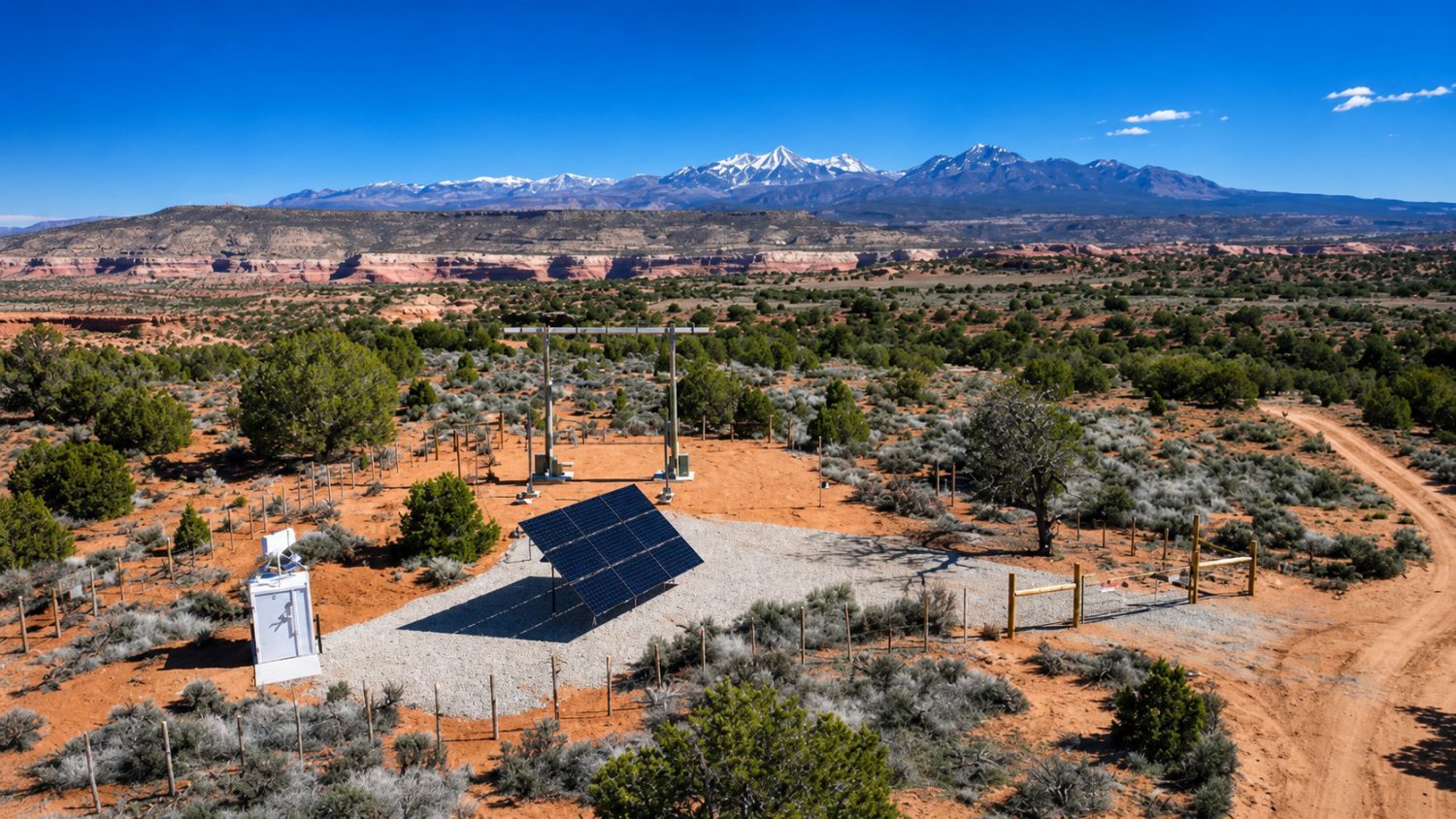
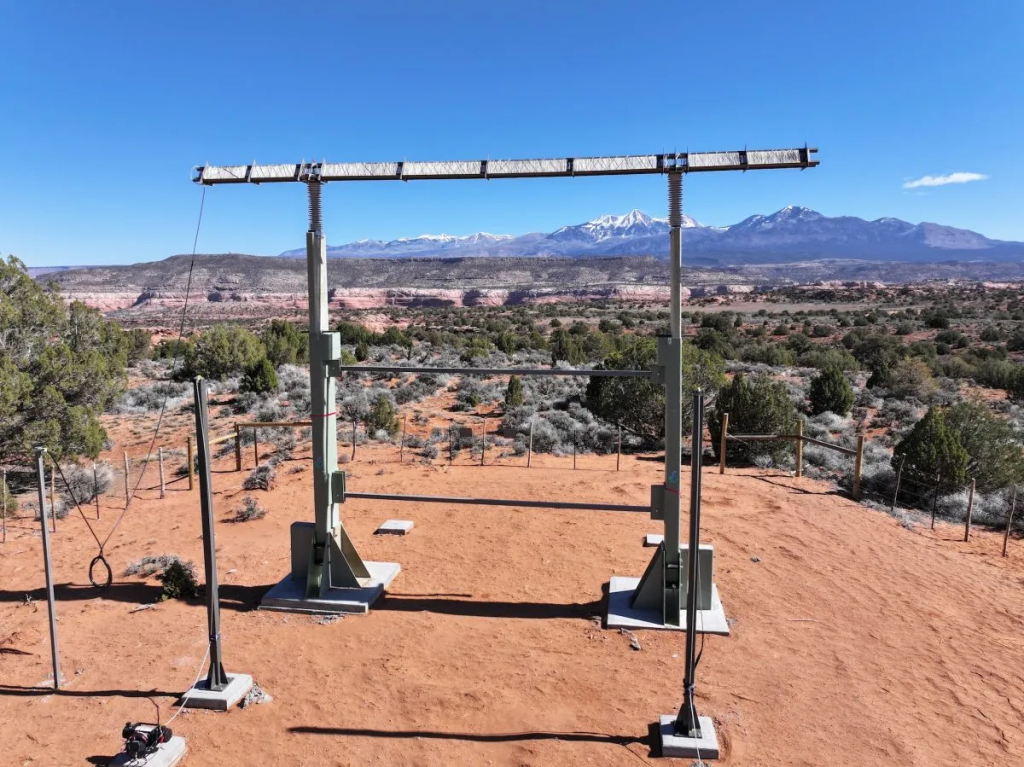
Kevin Clyde’s wife runs a vegetable farm near Moab. This year, she’s receiving half her normal water allocation. Half. Clyde told the New York Times he’s been “biting his fingernails” watching the season unfold. That’s the context for why a local water board is seriously considering paying $100,000 a year to lease a 26-foot metal structure that looks like a football goal post and — reportedly — makes it snow more. Desperation has a way of making audacious pitches sound reasonable.
The Science That Started the Gold Rush
A 2017 Idaho experiment gave cloud seeding something it never had before: quantifiable proof.
Cloud seeding is not new. The core concept dates to the 1940s — inject silver iodide particles into clouds, give ice crystals something to form around, coax out precipitation that might not fall otherwise. For decades, the evidence that it actually worked stayed frustratingly soft. Then the NSF-backed SNOWIE experiment in Idaho’s Payette Basin tracked seeded clouds from initial ice formation all the way to snowfall on the ground. One January 2017 event produced enough extra water to fill roughly 235 Olympic swimming pools. Modest by reservoir standards. Measurable for the first time.
That result triggered a wave of public spending and private ambition:
- Utah now spends nearly $16 million annually on cloud seeding; Idaho allocates around $5 million
- Utah estimates its programs add 6–12 percent more precipitation yearly — up to 200,000 acre-feet of extra water
- China spent $2 billion on weather modification between 2014 and 2021
- Florida, Montana, and Tennessee have banned weather-modification technologies, citing environmental concerns about potential impacts of silver iodide at elevated concentrations
“Cloud seeding may be the only means by which you can really generate new and consequential volumes of water” in parts of the interior Southwest — Augustus Doricko, founder of Rainmaker
Three start-ups are now chasing SNOWIE’s credibility with competing approaches:
- Rainmaker deploys drones
- Recast Systems replaced silver iodide with a sodium-chloride compound — essentially table salt, reportedly 100 times cheaper, with a traceable visual signature inside clouds
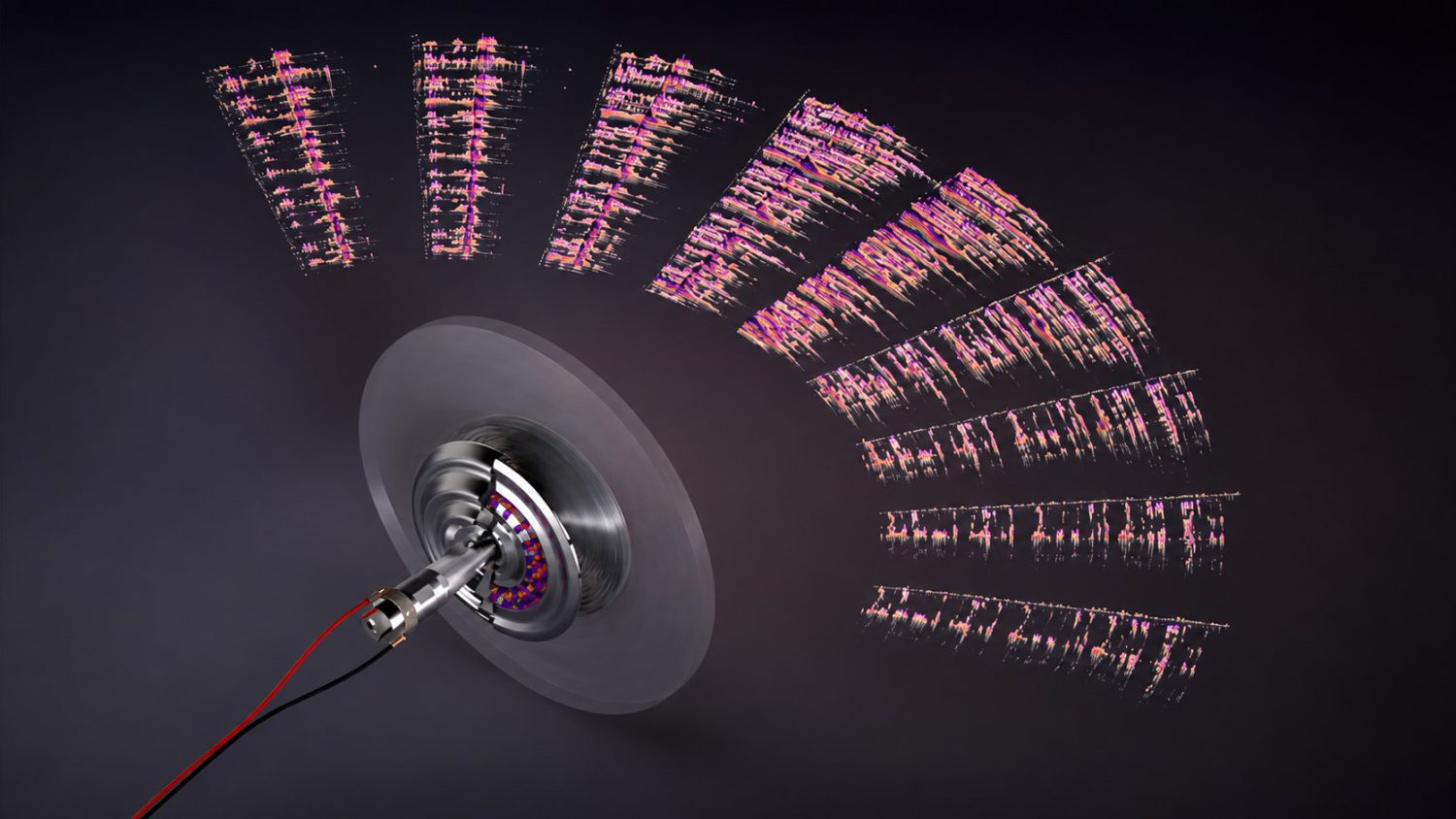
- Rain Enhancement Technologies skipped chemicals entirely, building electrical ionization towers that pulse charge into the atmosphere
A Football Goal Post in the Desert
RAIN’s Utah tower claims are striking — the fine print, though, is doing considerable heavy lifting.
RAIN’s WETA tower in the La Sal Mountains reportedly delivered 3.5 extra inches of snowpack last winter compared to the Abajo Mountains control site 70 kilometers south — a 20-plus percent enhancement, per the company’s own investor documents covering one season. Their headline figure: 8,750 extra acre-feet of water, enough to supply roughly 26,000 homes annually according to RAIN’s own press release. New Scientist called the methodology sophisticated but the evidence preliminary. That gap — between a company’s investor deck and independent peer review — is exactly where your skepticism belongs.
“Everybody is looking to have extra water” — Jonathan Meyer, climatologist, Utah State University, who compares the coming weather-modification investment wave to an oil rush
The deeper problem isn’t the technology itself. There is no national framework governing who controls precipitation over shared river basins. States independently fund or ban these programs as they see fit. The World Meteorological Organization has flagged potential downwind moisture effects as an unresolved concern. Pull water from one storm system, and someone downstream may eventually notice. That argument hasn’t even started yet — but it’s coming.