Most billion-dollar tech deals dissolve into abstraction before you finish the headline. This one shouldn’t. Anthropic has signed a six-year, $35 billion cloud-computing agreement with Lambda, an AI cloud startup backed by Nvidia. The compute lives in a Texas campus being built by Hut 8 — a former bitcoin miner, now reinvented as AI infrastructure landlord. Meanwhile, Apple CEO Tim Cook told the Wall Street Journal that memory price increases have become “unsustainable,” and that Apple will start passing those costs on to you. Connect those two sentences and you have the actual story.
How the Deal Actually Works
Nvidia leases the land, Lambda installs the GPUs, and Anthropic writes the check.
Nvidia holds long-term leases — reportedly 15-year agreements — for capacity at Hut 8’s Beacon Point campus in Nueces County, Texas. Lambda installs Nvidia GPUs there and resells the resulting AI compute to Anthropic. Anthropic isn’t just buying cloud time; it’s reserving roughly 350 megawatts of dedicated GPU infrastructure for six years, across a campus expected to come online around Q1 2027. This is compute capacity for Claude model generations not yet released. Combined with a separate $45 billion, six-year agreement with London-based Nscale — covering 460 MW at a West Virginia campus using Nvidia’s forthcoming Vera Rubin systems — Anthropic’s named commitments total at least $80 billion, with broader estimates suggesting around $135 billion across additional contracts.
What This Means for Your Devices
The chip supply feeding Claude is the same one feeding your MacBook.
Anthropic is racing OpenAI — which has its own deep infrastructure ties to Microsoft Azure — and both labs are building compute runways ahead of potential IPOs. Nvidia’s position is worth noting: it’s simultaneously chip supplier, data-center lessee, and investor in both Anthropic and Lambda. That’s not a conventional vendor relationship.
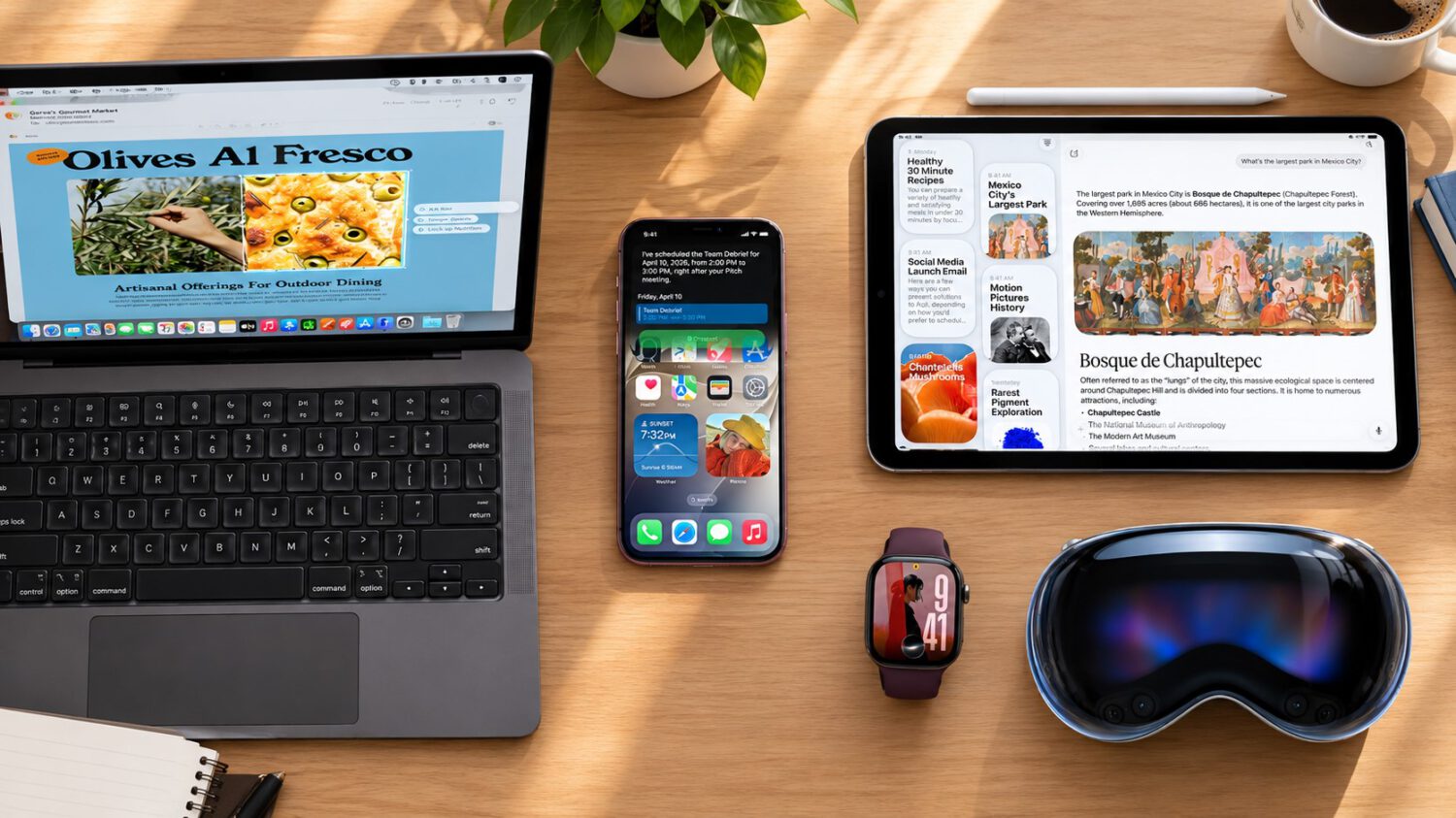
“Apple has been absorbing ‘huge increases’ in memory prices for iPhone, iPad, and Mac, but the situation has become unsustainable.” — Tim Cook, in a Wall Street Journal interview, as reported by MacRumors
The same foundries and memory suppliers feeding AI data centers also serve Apple. When Anthropic locks up hundreds of megawatts of GPU-dense compute for six years, that’s not neutral for global chip supply. Think of it like a major stadium tour buying out every hotel room in a city — everyone else quietly pays surge pricing. Apple has already signaled Mac and iPad price increases to offset rising component costs, with future iPhones likely to follow. The causal chain runs through chip-fab capacity and foundry allocations, not any direct subsidy, but the direction of pressure is clear.
The AI infrastructure arms race sounds abstract — billions, megawatts, six-year leases. It isn’t. Persistent upward pressure on memory and chip prices means premium gadgets stay expensive longer, and mid-range devices fall in price more slowly. The frontier model you’re chatting with has a tab. You’re quietly picking it up.