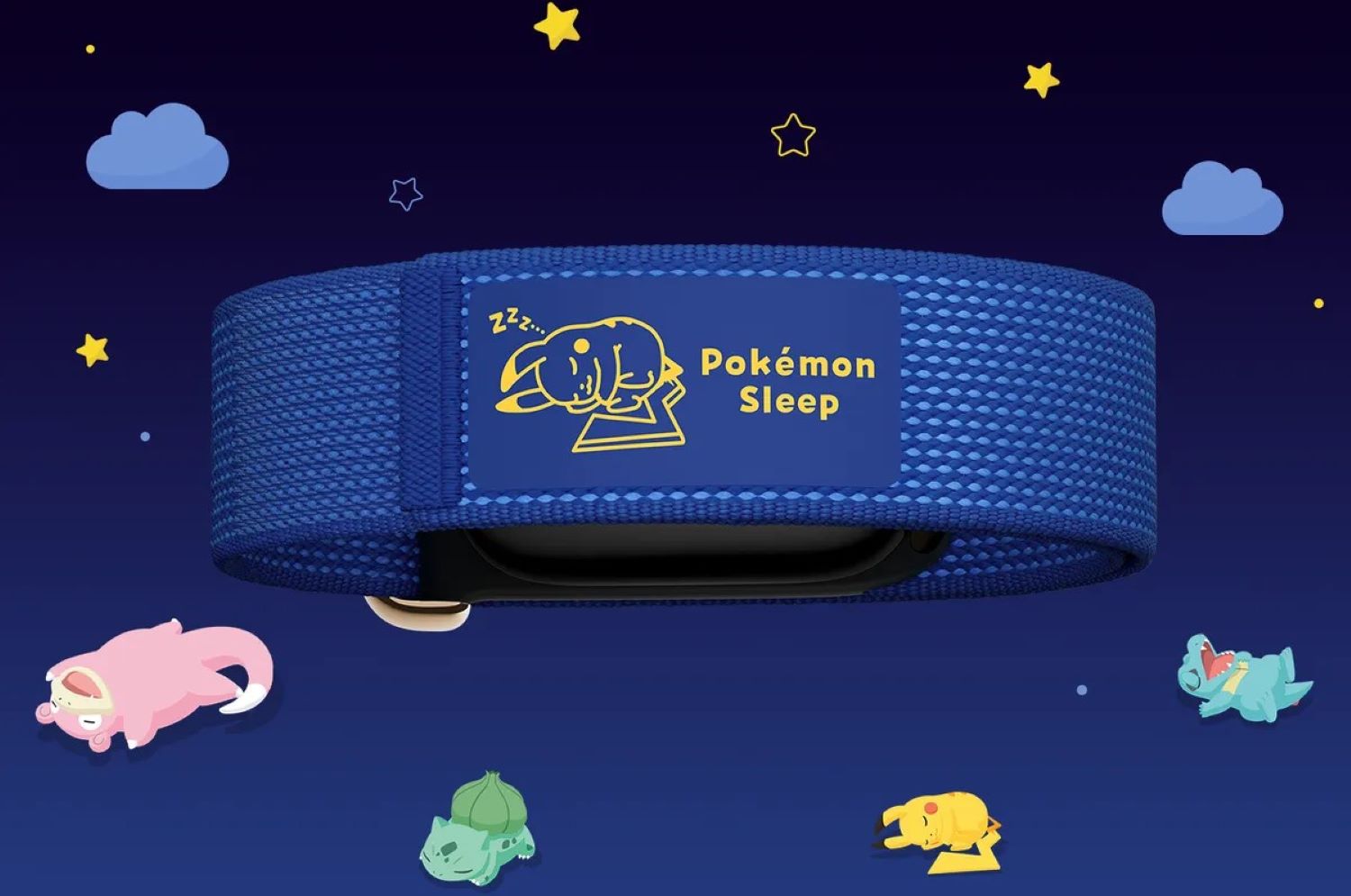
Somewhere around 11pm, you’re negotiating with yourself about sleep. Eight hours feels impossible. Six feels realistic. And now, apparently, Snorlax needs you to commit. Google and The Pokémon Company have launched the Fitbit Air Special Edition Pokémon Sleep — a screenless sleep tracker dressed in a “Serene Sleepy Blue” colorway with a sleeping Pikachu printed on the strap. It ships September 15, available for preorder now at the Google Store and Target.
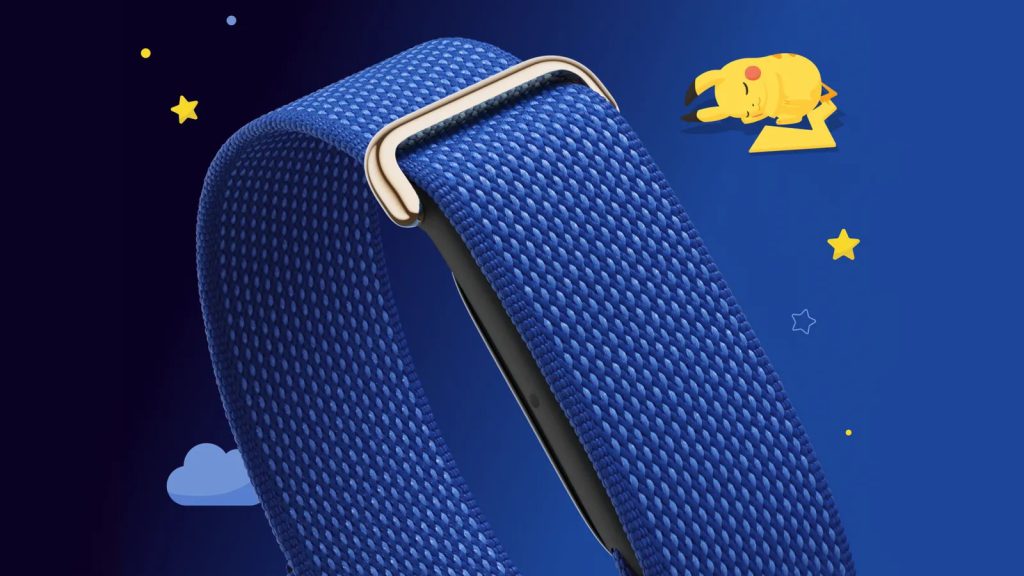
The honest disclosure upfront: the hardware is identical to the $99 base fitness gadgets like the Fitbit Air — week-long battery, 50-meter water resistance, optical heart-rate sensor, skin-temperature monitoring. What you’re paying $129.99 for is the themed band, a limited-edition aesthetic timed to Pokémon’s 30th anniversary, and three months of Google Health Premium, which includes a Gemini-powered AI health coach that analyzes your sleep trends and suggests habit changes. It ships September 15 exclusively through the Google Store and Target in the U.S. and Japan only; hardware specs mirror the base Air exactly, with a screenless form factor, week-long battery, 50-meter water resistance, and both optical heart-rate and skin-temperature sensors included.
How the Sleep-to-Game Loop Actually Works
The mechanic is surprisingly logical — and just clever enough to make you go to bed on time.
Setup is straightforward:
- Pair the Fitbit Air with Google Health.
- Enable data sharing through Health Connect on Android or Apple Health on iOS.
- Link Pokémon Sleep inside the app’s Settings.
After that, you just sleep. Each morning, your sleep duration and quality generate a Sleep Score. That score multiplies Snorlax’s strength, which determines which Pokémon appear around him when you wake up. Sleep longer, sleep better, encounter rarer sleep styles. It’s a daily side quest with a surprisingly coherent incentive structure — and one that doesn’t require you to stare at your phone before bed to participate.
The Honest Case For (and Against) the Upgrade
This is where the $30 premium either makes sense or doesn’t, depending on what you actually want.
For committed Pokémon Sleep players and fans, the themed design, bundled subscription, and 30th-anniversary collectible appeal can reasonably justify the gap over the base model — much like the Stanley Cup quietly became a lifestyle object before hydration was ever really the point. For purely utilitarian buyers who just want reliable sleep data, the standard Air does the same job for less. Worth saying plainly.
The limitations are real, too:
- The screenless form factor won’t suit anyone who expects wrist notifications or real-time stats — this is a sleep and activity tracker, not a smartwatch replacement.
- International availability is also limited at launch, which may frustrate Pokémon fans outside the U.S. and Japan.
Better sleep is genuinely hard to sell. If a cartoon Pikachu and a blue wristband are what it takes to make consistent bedtimes feel worth it, that’s not a gimmick — that’s design that understands how people actually behave.