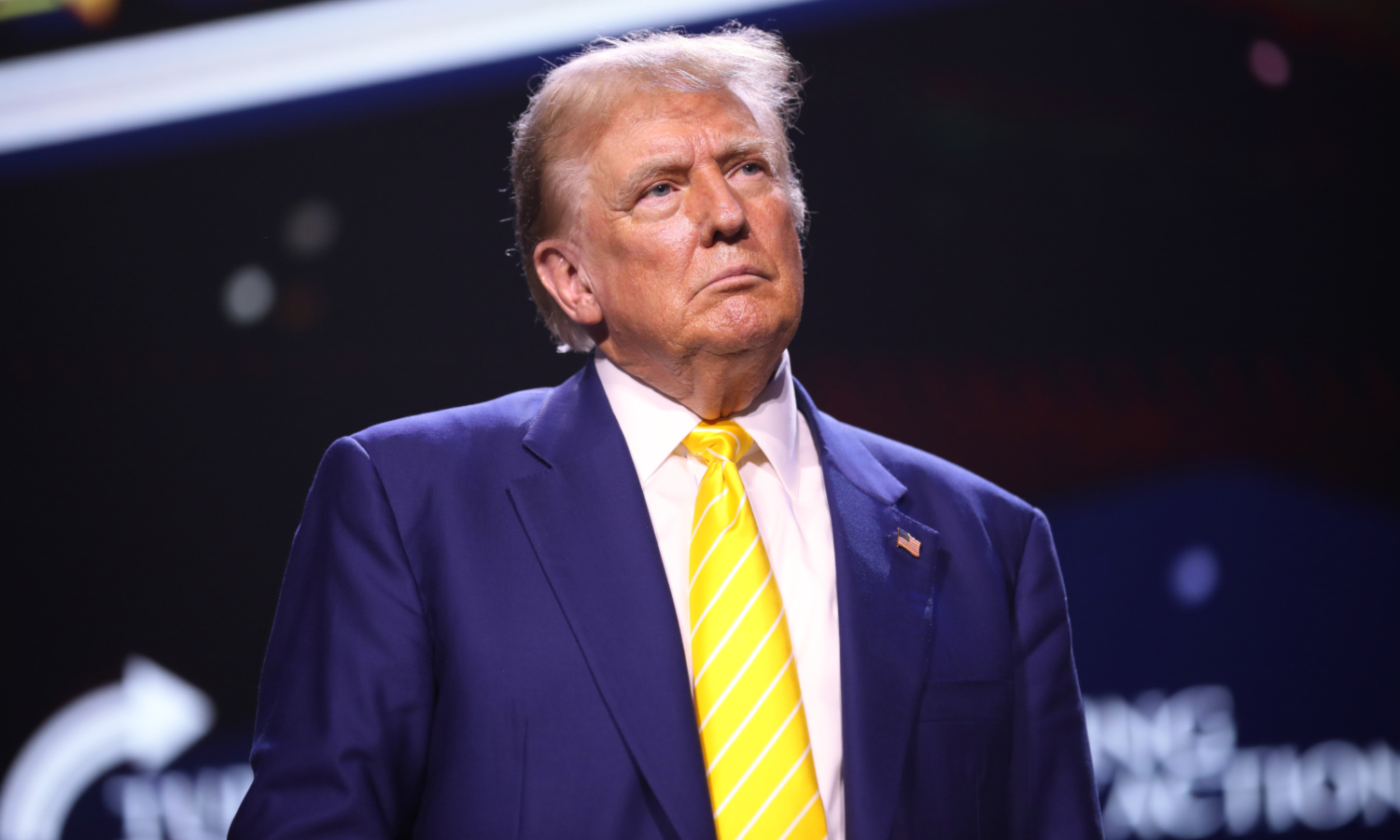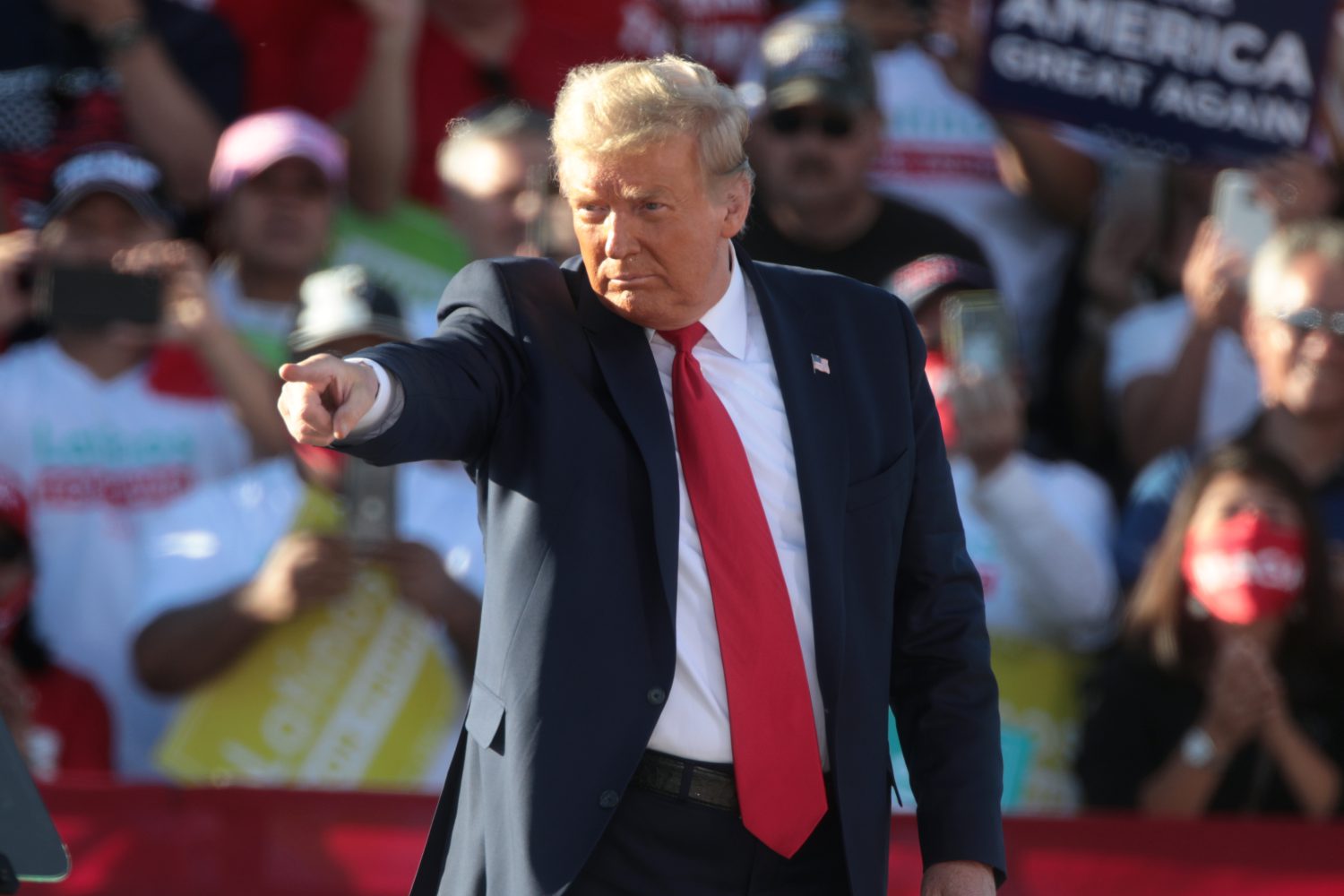
On August 26, 2026, President Trump signed an executive order declaring a national emergency over the security of the U.S. bulk-power system. The legal authority: the International Emergency Economic Powers Act and the National Emergencies Act. The practical effect: federal power to block or condition purchases of foreign-produced grid equipment, software, and firmware that pose cybersecurity or operational risks. This isn’t a policy memo. It’s enforcement.
What the Order Actually Does
The order bars or conditions transactions involving foreign-produced bulk-power equipment where risks include sabotage, unauthorized access, malicious remote action, or — in the White House’s own words — “catastrophic effects on critical infrastructure.”
The scope covers examples such as transformers and control systems, along with associated software, firmware, and digital capabilities tied to covered foreign entities — though the full definition of bulk-power system equipment in the order is broader than any short list can capture. Local electricity distribution facilities are explicitly excluded. But if your utility operates transmission infrastructure — and virtually every major operator does — compliance questions just landed on your procurement team’s desk.
Here’s what the order actually restricts:
- Purchases and installations of foreign-produced bulk-power system equipment posing cybersecurity or operational risks
- Software, firmware, and digital capabilities associated with covered foreign entities
- Transactions presenting undue risk of sabotage, unauthorized access, or supply disruption
- Future transactions initiated after the August 26, 2026 signing date — existing installations face a separate and still-unclear compliance picture
- Not covered: facilities used for local distribution of electric energy
Why Now, and Why It Matters to Everyone
Surging electricity demand from artificial intelligence infrastructure, advanced manufacturing, and defense production has put enormous pressure on a grid that foreign actors are actively probing for vulnerabilities.
Think of it as the supply-chain anxiety that redefined manufacturing after COVID — except this time the product being scrutinized isn’t semiconductors or PPE. It’s the physical and digital backbone that keeps hospitals running, defense systems online, and the data centers powering the AI tools you rely on daily. The April 2025 White House grid reliability and security policy laid the groundwork. This order is the enforcement teeth that earlier guidance lacked.
The White House is direct: covered foreign entities present “undue risk of sabotage, unauthorized access, malicious remote action, supply disruption” and broader national security threats. That language gives regulators considerable latitude to define what qualifies — and who gets caught in the net.
What Comes Next – and What’s Still Unclear
The Energy Department reportedly has roughly 120 days to develop implementing rules, according to secondary reporting — and until those rules land, the most consequential questions remain open.
The order text focuses on transactions initiated after the signing date. That draws a clear line for new procurement. What it doesn’t resolve is how aggressively existing foreign-sourced installations — already embedded in the field — will face scrutiny. Utilities and contractors running that equipment face real uncertainty, and they’ll be waiting alongside everyone else for the rulemaking window to close.
That window is where the actual cost, compliance burden, and enforcement scope get written. Watch for the Energy Department’s implementing regulations before the end of 2026. The executive order draws the boundary; the rules determine who has to move, how fast, and at what price.