Nineteen minutes. That’s how long gunmen needed in 2013 to disable 17 giant transformers at PG&E’s power plant offline near San Jose — firing roughly 120 shots and targeting cooling systems before disappearing into the night.
Utility workers spent 27 days restoring that single substation. Former Federal Energy Regulatory Commission chair Jon Wellinghoff later ran the numbers and arrived at a scenario that stops most readers cold. Nine such attacks, coordinated across the U.S. grid’s three interconnections, could black out the entire country. His estimated recovery window, as reported by the New York Times Magazine: eighteen months or more. That figure is Wellinghoff’s scenario warning, not a proven forecast — but the vulnerabilities underneath it are documented and real.
One Attack Proved the Blueprint
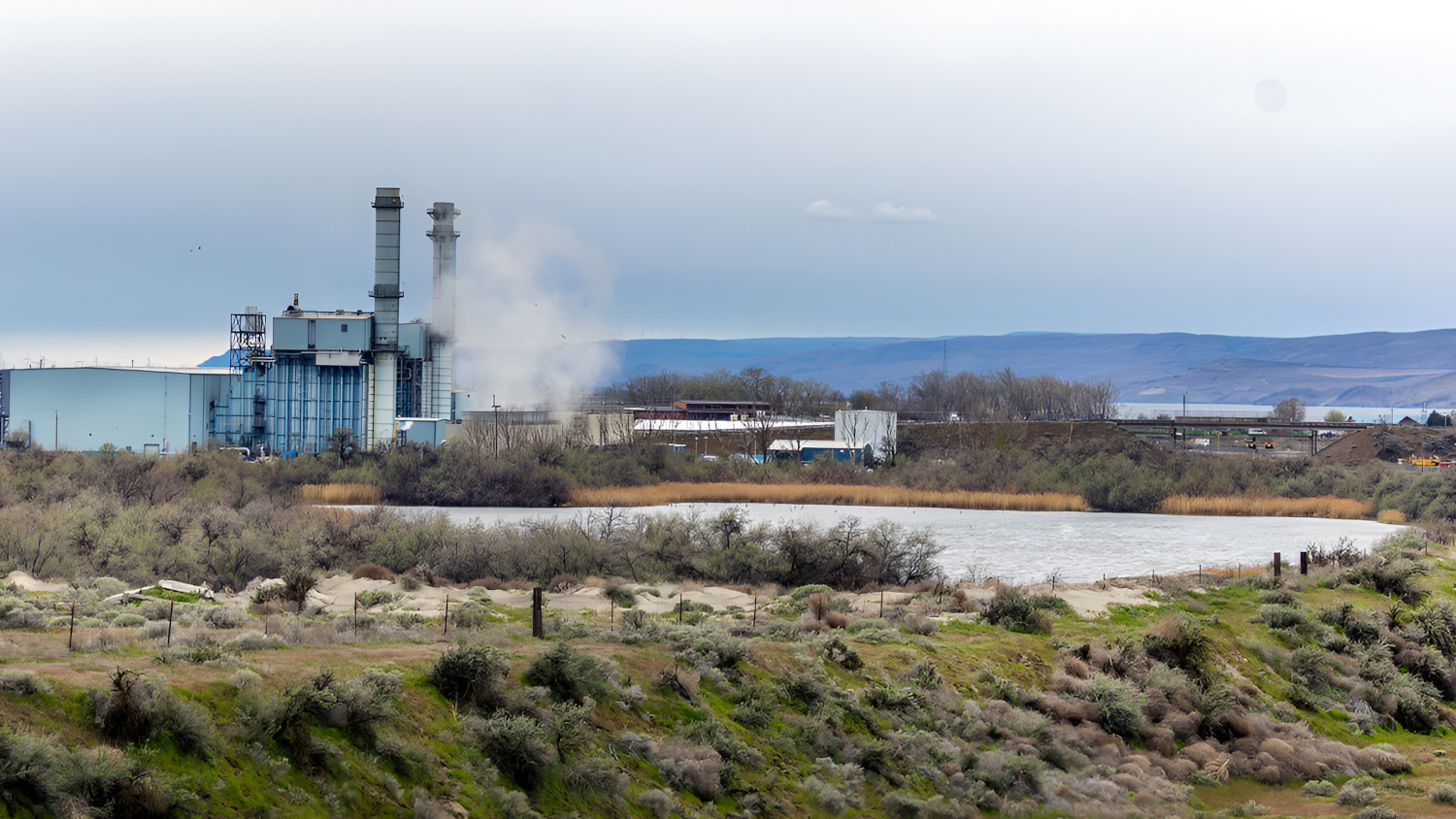
The 2013 Metcalf incident demonstrated, with brutal efficiency, exactly how exposed a major substation can be.
Gunmen targeted a PG&E facility, disabled 17 transformers in under 20 minutes, and vanished. The substation took nearly a month to restore — and that was one facility, one region, operating under normal peacetime conditions. Wellinghoff’s power-flow analysis concluded that hitting nine critical substations simultaneously across the Western, Eastern, and Texas Interconnections could cascade into a full national collapse.
The grid’s three-interconnection structure means a nationwide blackout requires coordinated disruption across multiple regions. Difficult. Not impossible.
The Recovery Problem Is Worse Than the Attack
Replacing destroyed high-voltage equipment is where the scenario shifts from alarming to genuinely staggering.
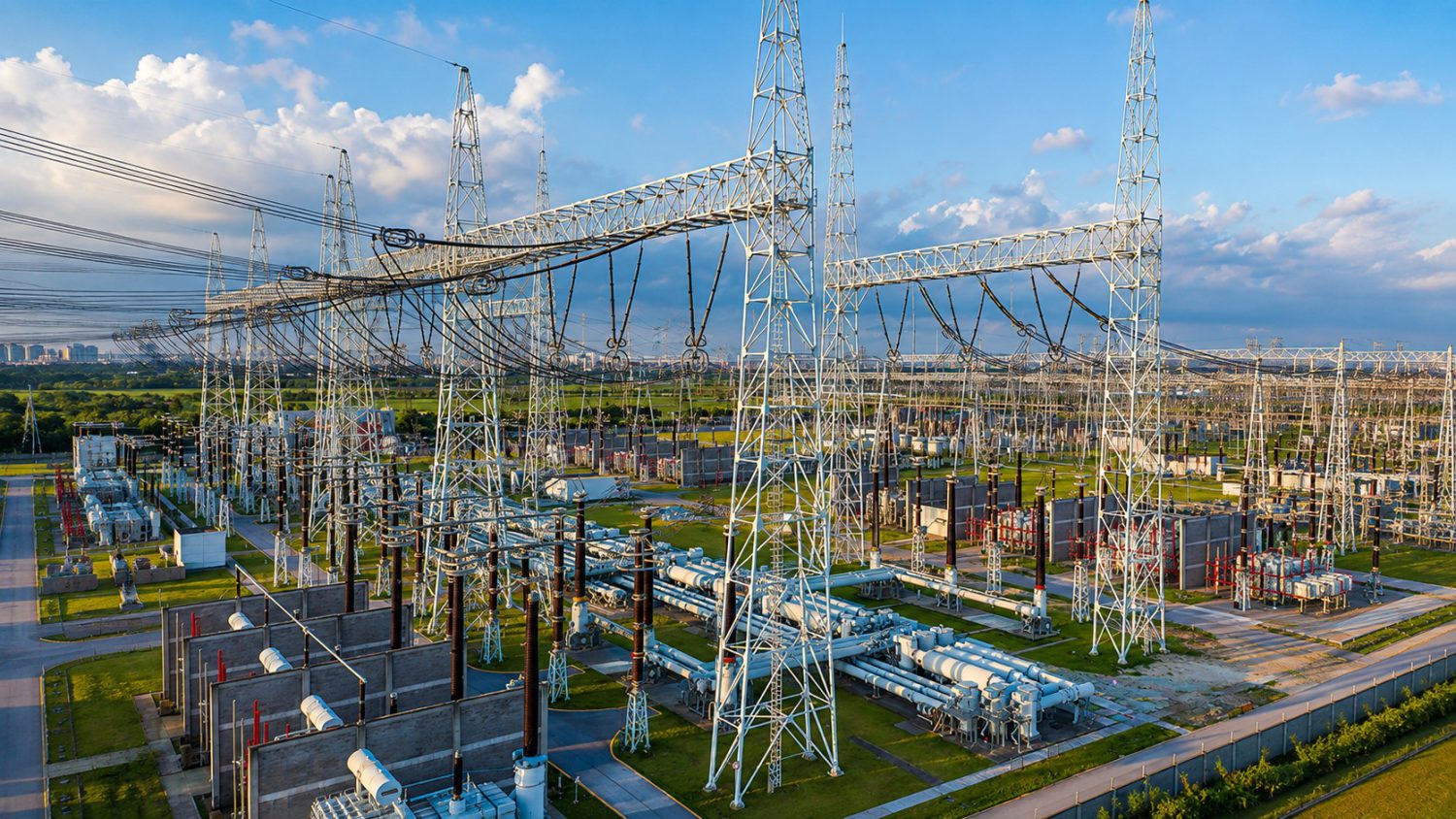
Destroying high-voltage transformers doesn’t just cut power — it destroys equipment that takes years to replace under the best conditions. Ordering a replacement transformer isn’t like next-day delivery; some of these units weigh upward of 500,000 pounds and are built to order by a shrinking pool of manufacturers. According to a CISA-hosted NIAC draft report, some transformer orders take between 2 and 41 years, and one major U.S. manufacturer disclosed a five-year wait for new orders alone.
Wood Mackenzie data shows lead times jumped from roughly 50 weeks in 2021 to 120 weeks on average in 2024, with large transformers ranging from 80 to 210 weeks. Generator step-up units average 143 to 144 weeks.
Aging infrastructure compounds the pressure at every level:
- More than 75% of distribution transformers already exceed their 50-year design life, based on sector reporting cited by industry analysts.
- The average large power transformer was 38 to 40 years old as of 2014 — meaning the fleet is measurably older today.
- Lead times for the largest units now stretch as long as four years under routine ordering conditions, before any emergency demand surge.
“If attackers knocked out nine critical substations across the three interconnections, they could black out the entire United States — and such an outage could last 18 months or more.” — Jon Wellinghoff, former FERC chair, summarized by the New York Times Magazine
Wellinghoff’s 18-month figure is a scenario estimate grounded in supply-chain math, not a guaranteed outcome. But the math itself is hard to argue with. Eighteen months without power isn’t a manageable disruption — it’s sustained pressure on hospitals, water systems, food supply chains, and heating infrastructure simultaneously.
FERC, DOE, CISA, NERC, utilities, and state regulators all share statutory or regulatory responsibility for hardening the grid against exactly this kind of threat. The Metcalf attack happened more than a decade ago. The supply chain constraints it exposed have only deepened since.