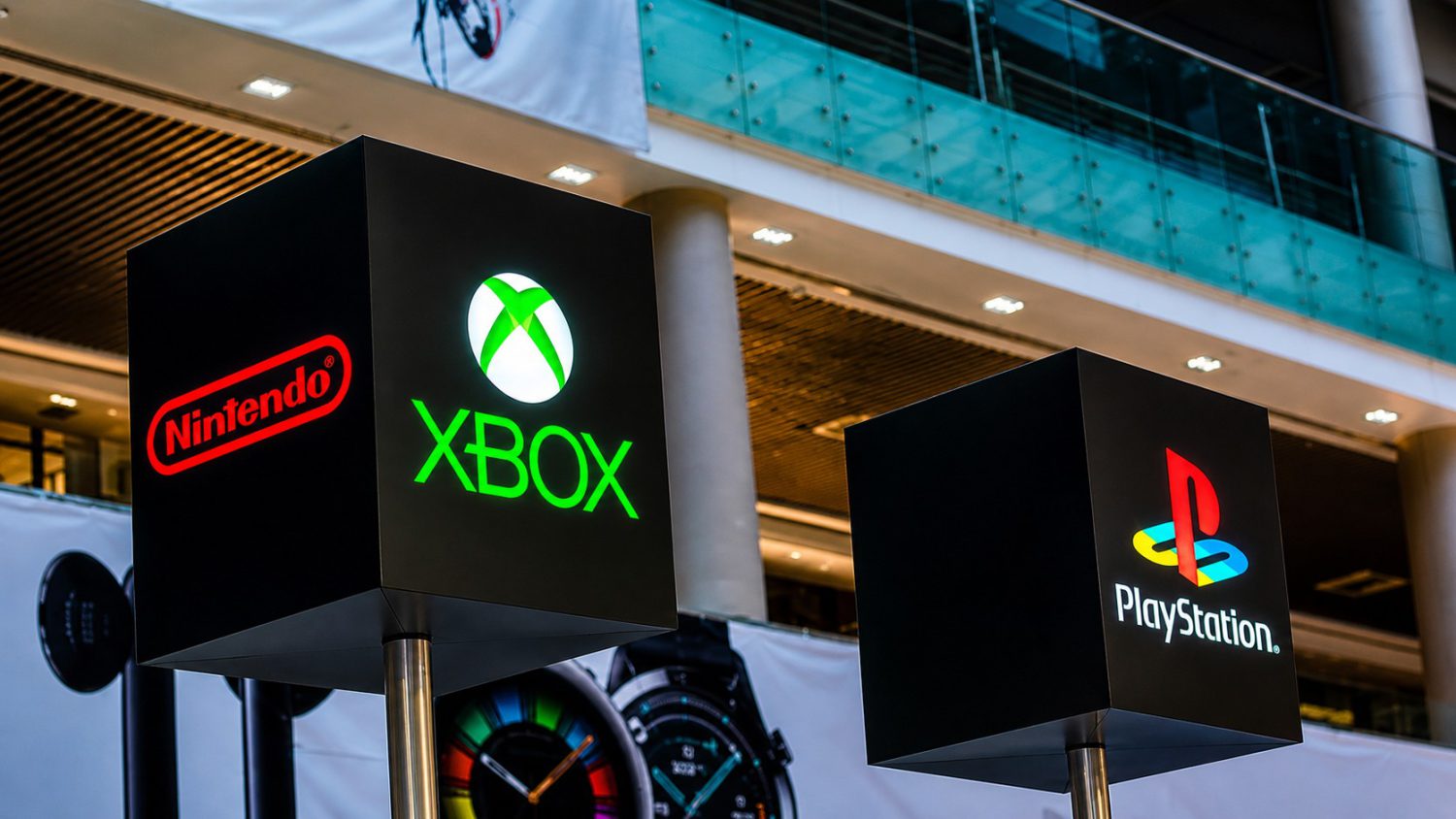
A 38% drop in combined unit sales. That’s what Ampere Analysis projects if PS6 and Xbox Project Helix launch in 2028 at $1,000 with conventional, incrementally improved designs. The downstream damage is just as ugly. By 2031, the combined console games and services market across PlayStation and Xbox would be $3.4 billion — roughly 12% — smaller than in a scenario where both systems launch at $700, according to Ampere’s modeling.
Consumers have already felt this pricing creep. The PS5 Pro reached approximately $900 in some markets, making a four-figure console feel less hypothetical and more like a rounding error.
Ampere outlines three ways Sony and Microsoft could avoid walking off that cliff:
- Delay next-gen beyond 2028, buying time for component and chip costs to fall
- Launch in 2028 but offset costs through deeper hardware subsidies, subscription financing, and more aggressive digital strategies
- Rethink the hardware entirely — fewer raw pixels, more innovative use cases; the Wii didn’t win by being the most powerful box in the room
Affordable entry-level console pricing is not making a comeback anytime soon.
Sony’s Silence, and What It Might Cost
Microsoft has publicly acknowledged the affordability crisis — Sony’s silence on PS6 pricing may carry its own cost.
“We have reached a point where it will be hard to imagine that mass audiences can afford thousands of dollars to spend on a console generation.” — Asha Sharma, Xbox CEO, Fortune Brainstorm Tech, June 2026
While Microsoft at least acknowledges the problem, Project Helix — a premium PC–console hybrid — is shaping up as the test case for whether “radically different business models,” as Sharma told Fortune, can actually land. Sony, by contrast, has made no comparable public statements about PS6 pricing strategy. That silence is its own kind of statement.
Ampere’s modeling doesn’t care about press releases. A PS6 launching at $1,000 with a conventional design faces the same brutal math regardless of what Sony’s marketing team decides to say about it. Sony’s options mirror Ampere’s framework: absorb losses through subsidies, delay the launch, or push beyond the tired “bigger, more powerful box” formula.
The console arms race has become gaming’s version of the iPhone Pro Max pricing spiral — each generation justified by specs most buyers can’t fully use, at prices that quietly shrink the audience. The person who loses isn’t the early adopter who’ll pay anything. It’s the mainstream buyer who upgrades once a decade and might, this time, simply not bother.