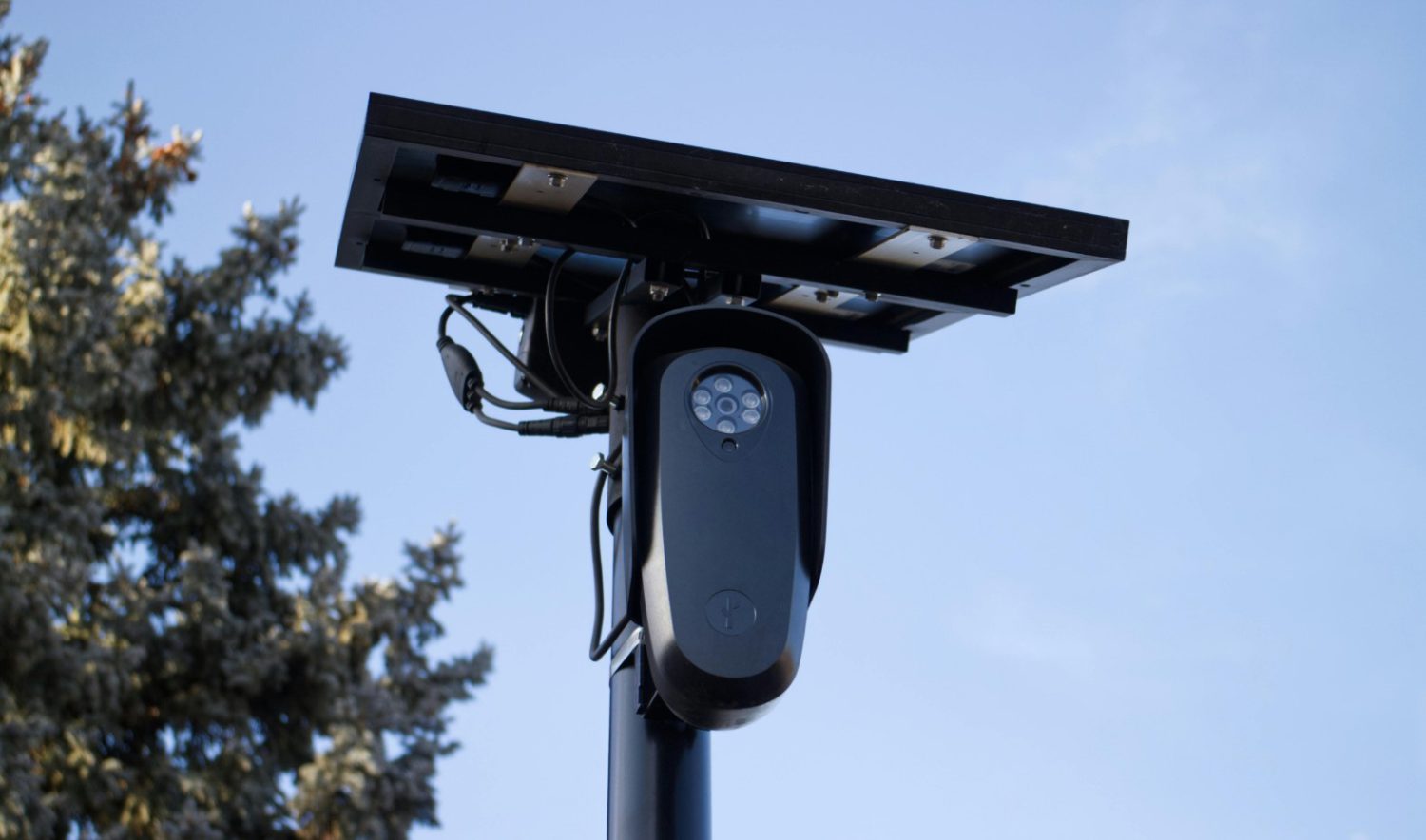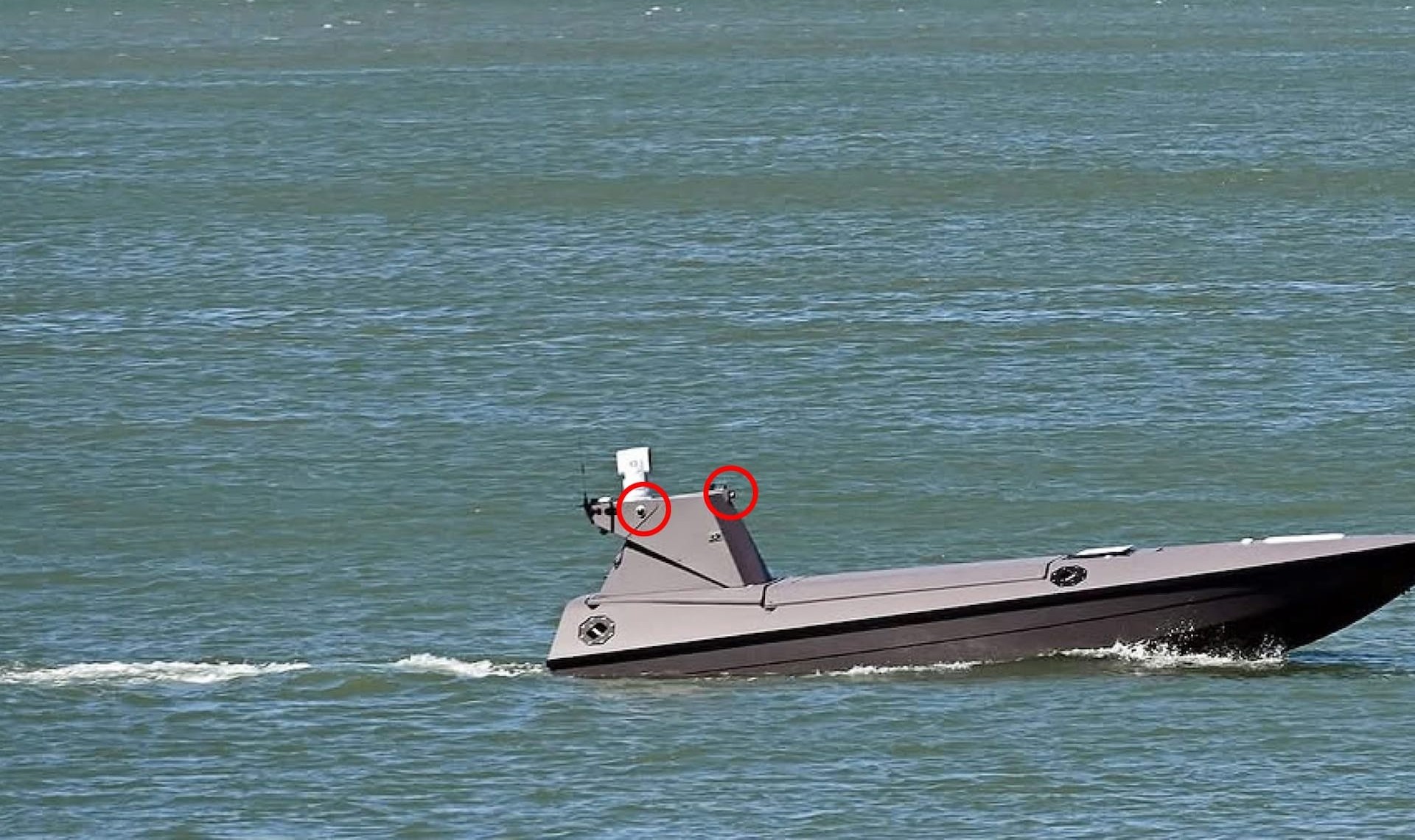
Camera components inside Royal Navy surveillance drones were quietly transmitting “heartbeat” signals to an IP address in China. Not confirmed espionage. Not a thriller plot. Just a routine cyber audit, an uncomfortable discovery, and the question that should now follow every defence procurement sign-off: do you actually know what’s inside the thing you just bought? There are growing concerns about secretly tracking users across many device categories, and this incident fits that wider pattern.
A Compliance Label Isn’t a Background Check
The K3 Scout incident exposes the gap between what a supplier certifies and what actually ships inside the box.
The key facts, unvarnished:
- Royal Navy K3 Scout uncrewed surface vessels — in Royal Marines service since March 2026 — were found transmitting heartbeat communications to a Chinese IP address
- A heartbeat signal indicates a system is online; according to BBC reporting, it can also carry location data
- The MoD’s routine cyber vulnerability assessment caught it
- Internet connectivity was removed from the affected subsystem; an investigation followed
- The MoD found no evidence of data being accessed, compromised, or transmitted externally
Supplier Kraken Technology Group acknowledged the awkward middle ground: some third-party cameras were NDAA-compliant, but contained components “originating outside the UK.” A joint Kraken-Royal Navy audit found no sensitive information shared outside intended channels.
“A thorough investigation found no evidence of MoD data or systems being accessed, compromised, or transmitted externally.” — Ministry of Defence
The Real Problem Is What “Compliant” Actually Guarantees
NDAA certification checks the product on the label — not every component buried three layers deep.
Think of it like a fast-fashion brand stamped “ethically sourced” while nobody’s looked hard at the lower tiers of the supply chain. NDAA-compliant means the named product passed a checklist. It says nothing definitive about every sub-component nested inside it. That gap is exactly where this incident lived.
The K3 Scout programme sits inside a wider UK-China security story — Huawei removed from critical telecoms infrastructure, MI5 warnings about Chinese intelligence activity, escalating scrutiny of foreign technology in sensitive systems. These drone cameras aren’t an isolated case. They’re a data point in a pattern. A recent surveillance app case highlights how state-linked covert data collection can emerge from seemingly routine software deployments.
Every “Trusted” Subsystem Now Needs to Prove It
The real audit has only just started — and the findings may be uncomfortable.
Expect deeper component traceability requirements across defence procurement. Expect harder questions for system integrators who subcontract to subcontractors. And expect a period of difficult audits as procurement teams discover how many other “compliant” systems are running quiet signals nobody thought to check. Regulators in Europe have already moved to restrict major cloud providers from handling government health, financial, and legal data — a sign that supply-chain scrutiny is tightening globally.
The reported breach apparently didn’t happen. But the vulnerability did. In defence procurement, that distinction shouldn’t feel as reassuring as it sounds.