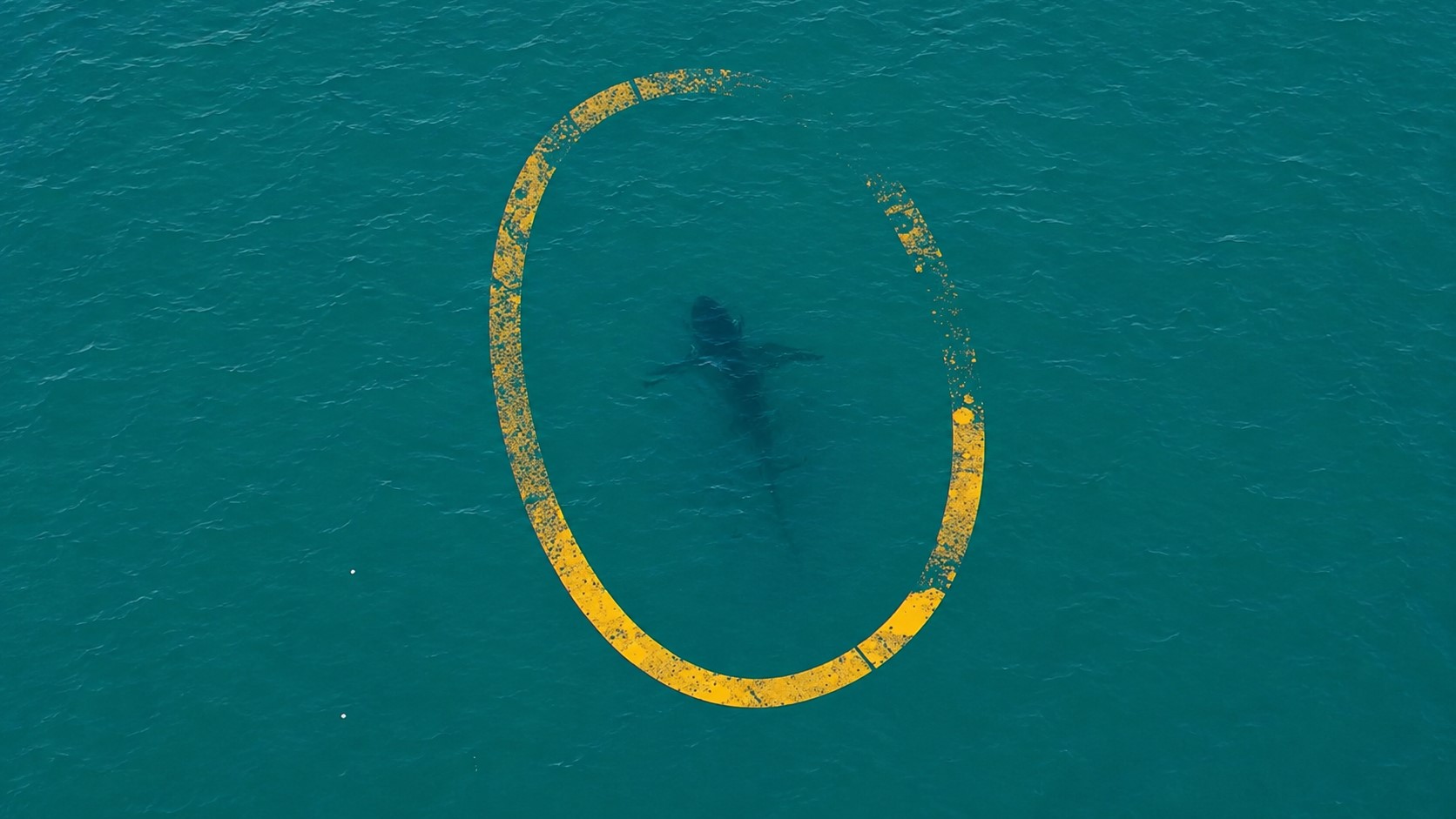
On a July afternoon at Rockaway Beach, sunscreen applied and bodega sandwich long gone, beachgoers hear a buzzing speck hovering about 100 yards offshore. A radio crackles. Lifeguards blow their whistles. Everyone out. The NYPD’s drone fleet has spotted something with fins, and it’s not a dolphin. This scene has played out roughly 45 to 50 times this season alone, according to NY1. The city’s shark-spotting drone program now flies seven days a week, 9 a.m. to dusk, across every borough with a coastline.
How the System Actually Works
The NYPD’s drone unit runs a surprisingly systematic shark-detection operation, complete with tiered closure protocols that scale with the threat.
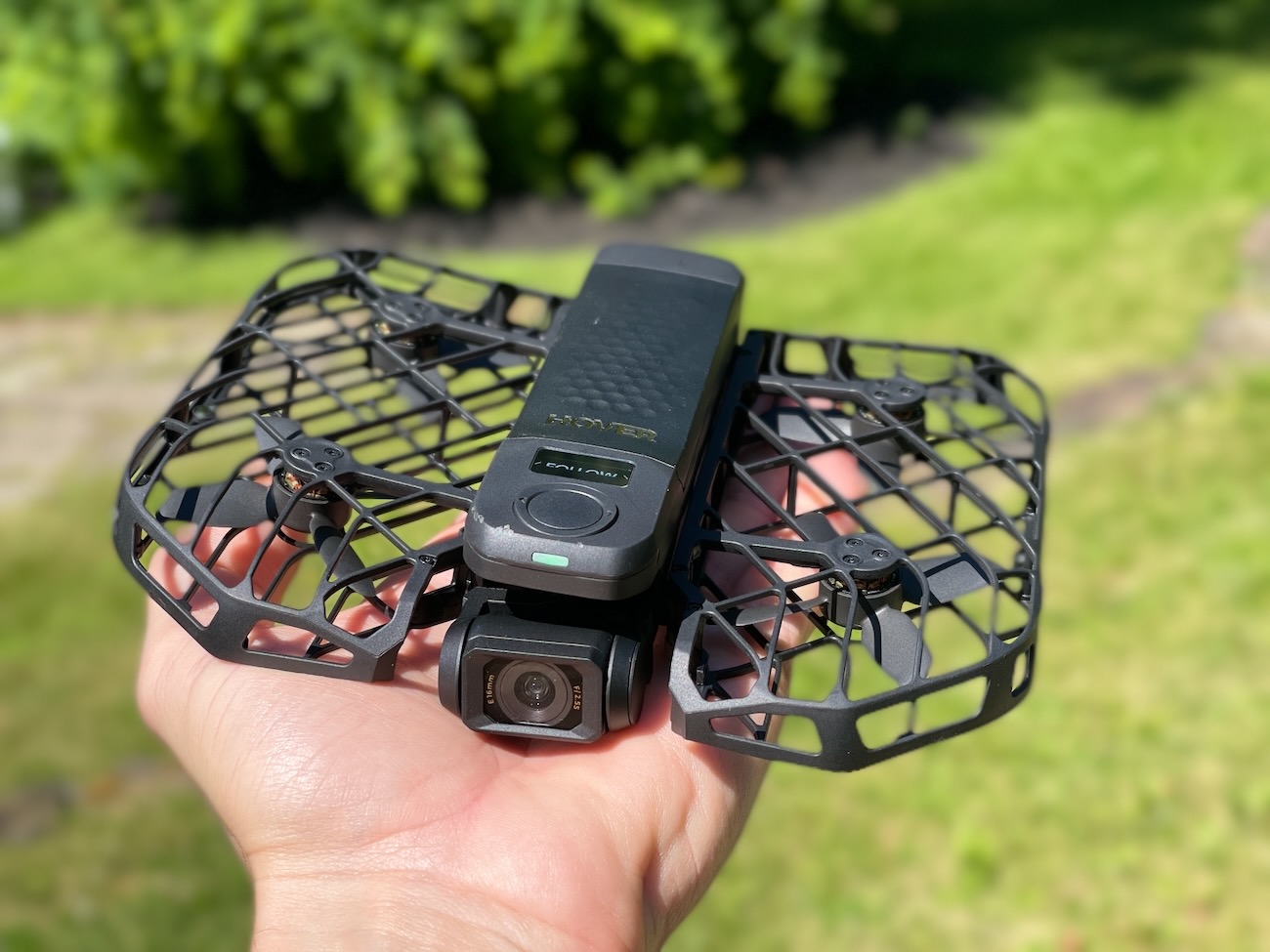
The NYPD’s Technical Assistance Response Unit — TARU — flies drones in designated lanes about 100 yards offshore. Cameras stay zoomed wide, scanning for shark silhouettes against the sandy bottom. Officers monitor feeds from nearby command trucks. Spot a shadow that moves wrong, and the radio goes live to lifeguards and the Parks Department.
The escalation protocol works like this:
- Unconfirmed shark report: waters close for one hour, half a mile in each direction, while drones verify
- Drone confirms a shark: closure expands to one mile in each direction
- Multiple sharks confirmed: the entire beach shuts down to swimmers
- Waters reopen only after one hour passes from the last confirmed sighting
- Drones can also drop small inflatable rescue tubes, reaching distressed swimmers in roughly 90 seconds, according to Inside Unmanned Systems
According to a July 2024 NBC New York report, marine experts attribute the spike in sightings to straightforward ecology: the water is warmer and cleaner than at any point in recent memory, drawing more baitfish — and, in turn, more sharks — closer to shore.
More Eyes, More Sharks – But Not More Danger
Rockaway is the city’s shark hotspot, and the numbers are climbing fast, though actual bite risk remains statistically tiny.
Rockaway Beach has become the unofficial shark capital of New York City. Drones tracked seven sharks there in one recent summer stretch, nearly matching the eight logged across the entire prior summer, according to CBS New York. More than two dozen sightings were recorded in the Rockaways between late May and early July alone, triggering red-flag alerts from the Rockaways to Long Island. The drones aren’t creating the problem. They’re revealing it.
This program didn’t materialize overnight. Jones Beach has run drone surveillance since 2017 with a 19-unit state fleet managed by New York State Park Police. In July 2023, Governor Kathy Hochul committed $1 million to expand the state’s monitoring capacity, adding Autel EVO II Enterprise V3 units to conduct three daily sweeps along Long Island, NYC, and Westchester coasts. NYPD’s own beach drone program started about three years ago at Rockaway and now covers Queens, Staten Island, the Bronx, and Brooklyn.
Here’s the number that puts all of this in perspective. According to the Florida Museum of Natural History’s International Shark Attack File, there were 65 unprovoked shark bites globally last year — 25 in the U.S., with one U.S. fatality. Millions of people swim at these beaches every summer. The statistical risk of a bite remains far lower than the drive out to the Rockaways. A July 2024 NBC New York report noted that officials and marine experts consistently stress that actual bite risk remains “extremely low” relative to the sheer volume of beachgoers each season.
According to local TV coverage cited by NY1, NYPD officials have been clear that the goal of the program is to spot sharks early and keep people safe — not to empty the beach permanently or generate alarm.
This program is quietly becoming coastal infrastructure. It’s no longer a reactive emergency measure. Future iterations could include AI-assisted shark recognition and automated alert systems, building on the current manual monitoring setup. The bigger question isn’t whether New York’s beaches are safe — statistically, they are. The more interesting question is what happens when the surveillance technology outlasts shark season and the mandate quietly expands.