




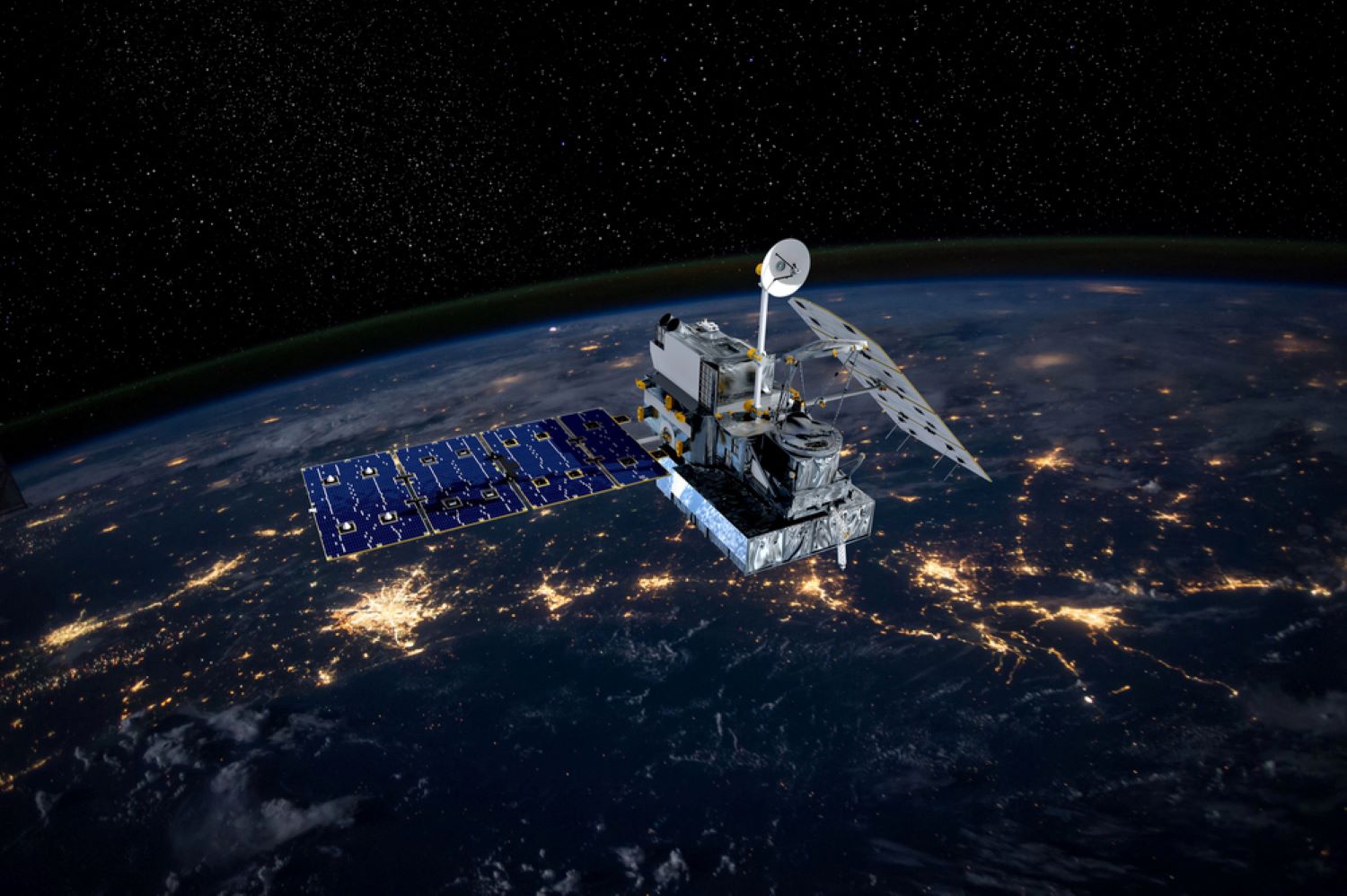
A million satellites. That’s not a typo, and it’s not a pitch deck fever dream. SpaceX filed an actual FCC application in January 2026 requesting authorization to deploy up to one million solar-powered satellites as orbital AI data centers. The logic sounds elegant — vacuum cooling, near-constant sunlight, no power grid required. The problem atmospheric scientists are raising has nothing to do with what goes up. It’s what comes back down.
The Pitch Sounds Clean. The Exit Strategy Doesn’t.
SpaceX’s orbital compute case is compelling on paper — until you look at the chemistry.
Solar-powered AI compute at 500 to 2,000 km altitude, packed into orbital shells just 50 km thick. SpaceX projects roughly 100 GW of new AI capacity annually if fully built out. Terrestrial AI data centers are choking on power demand and cooling costs, so orbital infrastructure carries a certain cold logic.
Here’s what the pitch leaves out:
- NASA-funded research found that a single 550-pound satellite releases approximately 66 pounds of aluminum oxide nanoparticles when it burns up on reentry.
- NOAA separately sampled stratospheric aerosol particles and found aluminum and spacecraft alloys in roughly 10 percent of them — ratios matching spacecraft materials, not meteors.
- Between December 2024 and May 2025, SpaceX incinerated 472 Starlink satellites before this plan even existed.
- One uncontrolled Falcon 9 upper-stage reentry produced a lithium plume 10 times above normal daily levels at around 100 km altitude, marking the first time a specific piece of space debris was directly linked to a measurable atmospheric pollutant spike.
Researchers described their findings as “the first direct evidence of how satellite re-entries are changing the composition of the stratosphere,” according to a report in Science.
Already running at roughly four Starlink reentries per day, the current burn rate seeds the upper atmosphere with aluminum, lithium, copper, and lead. Durham University researchers call it “space sector fly-tipping.” Scale that to a million satellites and you’re effectively running an uncontrolled chemistry experiment on the stratosphere — the orbital equivalent of releasing a software update with no patch notes and no rollback option.
Who’s Supposed to Stop This?
SpaceX has pledged to “start small,” but no regulatory body currently governs what burning satellites do to the atmosphere.
SpaceX told the FCC it will phase deployment gradually and monitor atmospheric effects in coordination with relevant federal agencies. Reassuring — except no regulatory framework actually governs reentry chemistry at scale. The FCC handles spectrum licensing, not stratospheric pollution. UN space debris guidelines are non-binding. Scientists interviewed by NBC News stressed that internal monitoring pledges are only a partial safeguard when the rules themselves don’t exist. Astronomers add a separate concern: tens of thousands of bright moving objects visible at any given time would severely compromise ground-based optical astronomy, compounding the already-documented problem of Starlink streaks in long-exposure images.
The full million may never materialize. Analysts estimate a roughly $2 trillion price tag, with realistic viability pushed to the mid-2030s at best — and companies routinely request more satellite authorizations than they ultimately launch. But scientists are consistent on one point: even a fraction of that scale dramatically changes the atmospheric math. Nobody’s writing the rules fast enough to keep up.


























