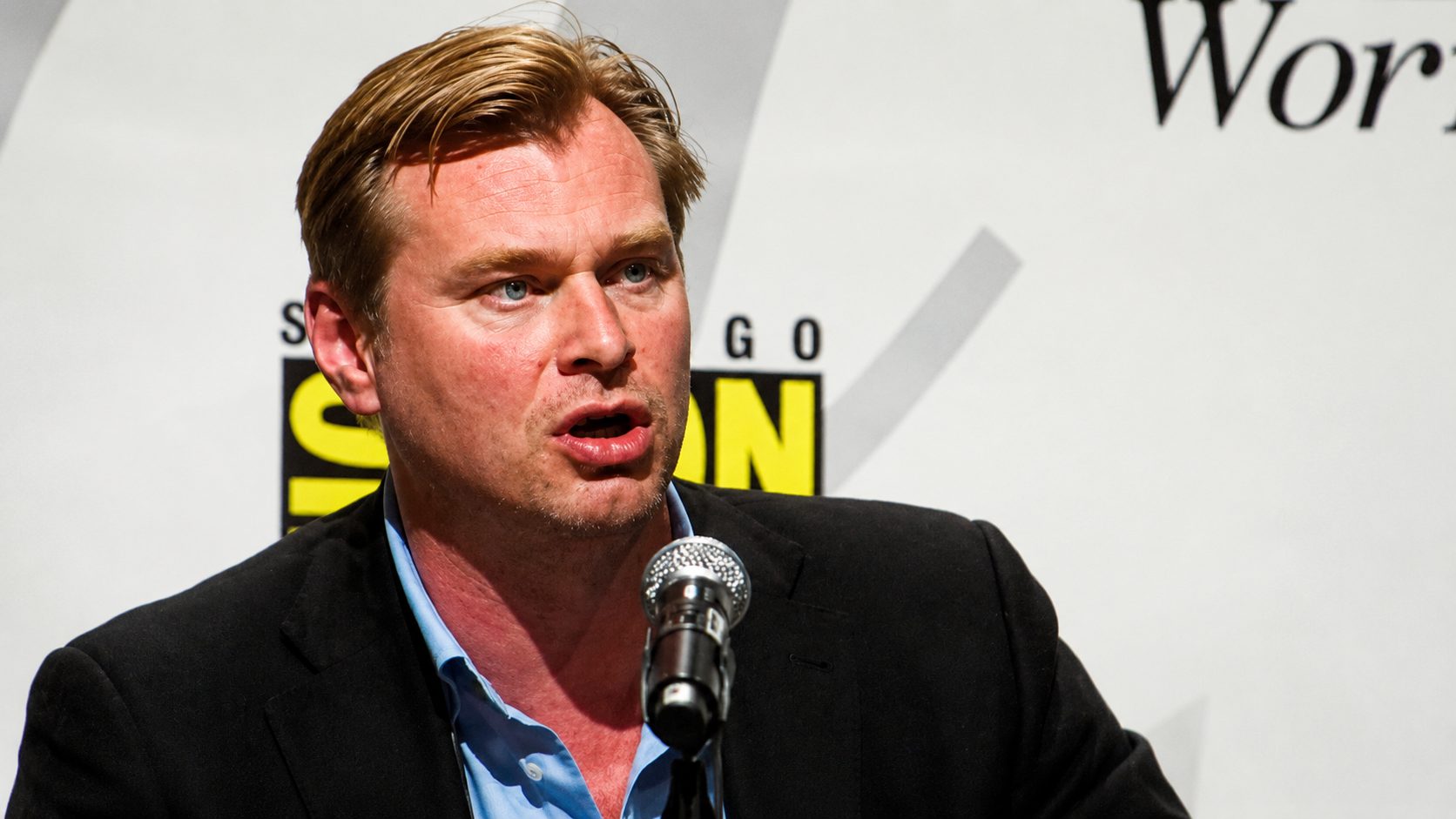
Hollywood boardrooms are writing nine-figure checks to AI companies while the exact demographic those boardrooms are chasing wants nothing to do with the product. Christopher Nolan, promoting his upcoming Homer adaptation The Odyssey in an interview with The Telegraph, put it bluntly: the generation studios covet most has already made up its mind about AI-generated filmmaking. The verdict is brutal.
The Slop Detector
Gen Z grew up inside the algorithm — and learned to read its seams.
You know how seasoned chefs can taste the difference between fresh pasta and the boxed stuff in a single bite? Nolan argues Gen Z has that same reflex for synthetic content. These are audiences who spent adolescence navigating algorithmic feeds, dodging sponsored posts and deepfakes before they had driver’s licenses. They didn’t just grow up online — they developed antibodies.
According to The Hollywood Reporter, Nolan says he has “never seen a more rapid wholesale dismissal of a supposedly foundational jump in technology.” His evidence is concrete:
- Kane Parsons’ Backrooms has crossed $350 million worldwide and is confirmed as A24’s highest-grossing film domestically — built on atmosphere, not algorithms.
- Curry Barker’s Obsession has reportedly grossed over $400 million globally, according to available box office reporting.
- Both Gen Z directors committed to practical, tactile filmmaking — exactly the kind Nolan champions.
“So much energy has been expended on bringing in AI, but if you look at that generation’s reaction, they’re utterly rejecting it.” — Christopher Nolan, via The Hollywood Reporter
The timing problem is structural. After two decades of CGI-saturated spectacle, audiences swung back toward physical, handcrafted filmmaking. AI arrived offering more synthetic imagery to people who were already full of it. That’s the “exactly the wrong time” problem Nolan is naming — and the box office numbers make the argument for him.
Practical Craft as the New Luxury Brand
If “shot on film” already signals quality, “minimal AI” could be cinema’s next premium authenticity label.
Nolan defended celluloid and IMAX when digital was supposedly inevitable. He still doesn’t own a smartphone. This isn’t a press-tour posture — it’s a decades-long through-line, and he has a track record of reading audience appetite correctly.
The split inside the industry is real and runs through the same studios audiences trust most. Some directors are integrating AI into production workflows at the pre-visualization stage, while certain studios have pursued significant AI investment partnerships — moves that have rattled cinephiles who prize the handmade feel of practical filmmaking prestige independent cinema.
The tension remains genuinely unresolved. If AI-assisted productions succeed quietly while studios scrub the marketing clean, normalization wins by stealth. But if films like The Odyssey, Backrooms, and Obsession keep outperforming, audiences may do exactly what Nolan says they’re already doing: vote with their attention — harshly and immediately.