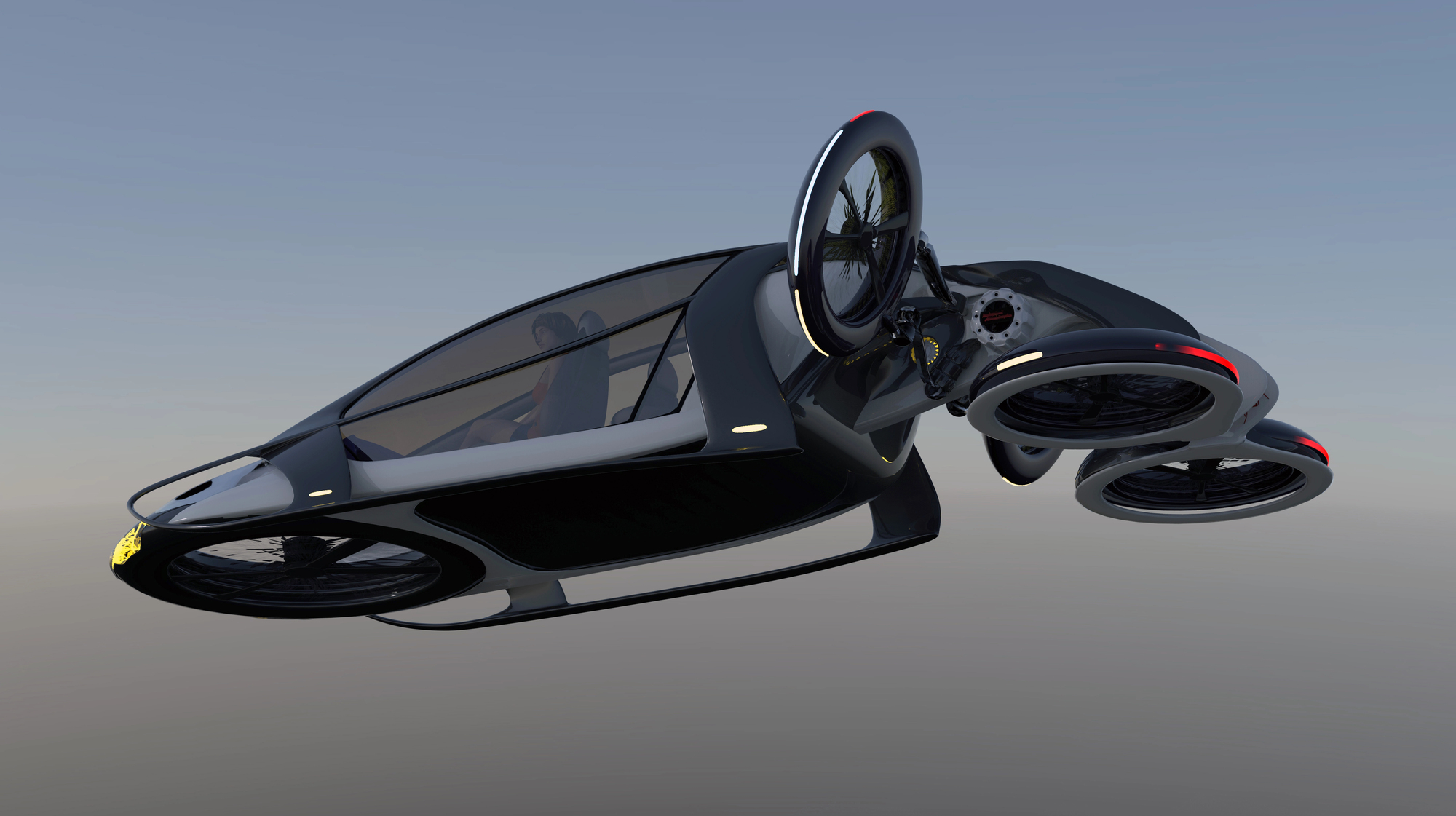
The cheapest flying car on the market costs more than most houses. That’s not hyperbole — the Samson Switchblade, widely considered the entry-level option, runs $170,000 to $200,000, according to Yahoo Finance. Alef Aeronautics lists its Model A at $299,999 on its preorder page. Klein Vision’s AirCar and AeroMobil push past $500,000 into seven figures. These aren’t concept renders gathering dust at a trade show. They’re taking real deposits from real buyers. But the sticker price is just the opening act.
What You’re Actually Paying Up Front
Even at the “budget” end, flying car ownership starts where supercar ownership does — and climbs fast from there.
Stop comparing these to your $35,000 sedan. Even the entry-level Switchblade costs several times more than a luxury car. A UK economic analysis pegged a generic flying car purchase at roughly $630,000 before extras, according to Yahoo Finance. Roll in training, insurance, and storage, and tech breakdowns put the realistic all-in figure around $700,000, as reported by Supercar Blondie. Many of these figures come from scenario modeling rather than a large pool of real owners — because that pool barely exists yet.
Here’s what the full cost picture looks like:
- Purchase price: $170,000 to $1.1 million-plus
- Pilot training (Private Pilot Licence): $14,000 to $35,000
- Annual insurance: approximately $17,000
- Annual storage or hangar fees: approximately $13,000
- Annual fuel on light use: roughly $800 — and that assumes you barely fly
Tech and finance coverage characterizes current buyers as paying too much for exclusivity and novelty, with mass affordability described as “years away,” according to Yahoo Finance.
Running Costs Make the Sticker Look Cheap
Fixed annual expenses hit roughly $30,000 before a single flight, and that’s before maintenance enters the picture.
Insurance and storage alone eat around $30,000 every year. That $800 fuel figure assumes hobby-level flying. Per-mile operating costs range from $0.25 to $0.75 under optimistic electric-aircraft projections, but early modeling puts more realistic figures closer to $3.50 per mile, according to Yahoo Finance. Neither estimate includes those fixed overhead costs.
You’ll also need, at minimum, a Private Pilot Licence to legally fly most of these vehicles. U.S. training typically runs $14,000 to $25,000; UK scenario modeling puts the all-in training cost around $35,000. One narrow exception: ultralight eVTOLs like Pivotal’s models sidestep FAA license requirements under Part 103 rules — but top out at roughly 20 miles of range. That’s a grocery run with wings, not a commute upgrade. One genuinely encouraging data point is energy cost: electric aircraft studies cited by Yahoo Finance show roughly $8 to $12 of electricity powers a 100-mile flight, versus about $400 for a conventional plane over the same distance.
The Bottom Line at 30,000 Feet
Flying cars are real, purchasable, and priced closer to a private helicopter than anything in your local dealership.
Analysts project purchase prices could eventually settle between $150,000 and $250,000 as manufacturing scales — but that’s a projection, not a guarantee. Right now, owning a flying car means a $700,000 all-in commitment for early adopters: part supercar, part aircraft, entirely out of reach for most. The future arrived. It just brought a very large invoice.