Dreaming of a driveway graced by a Cadillac or Lincoln? It’s easy to fall for the allure of American luxury, where a prestigious badge promised arrival. But beneath the gleaming chrome and plush interiors often hid a lurking financial pitfall. This guide uncovers 15 American luxury cars that masquerade as success symbols while quietly bleeding wallets dry. From catastrophic unreliability to baffling engineering choices and restoration costs that dwarf the purchase price, discover which celebrated names are actually ticking time bombs, ensuring you avoid the expensive disappointment of owning a car that’s more money pit than masterpiece.
15. 1980 Cadillac Seville (Diesel)
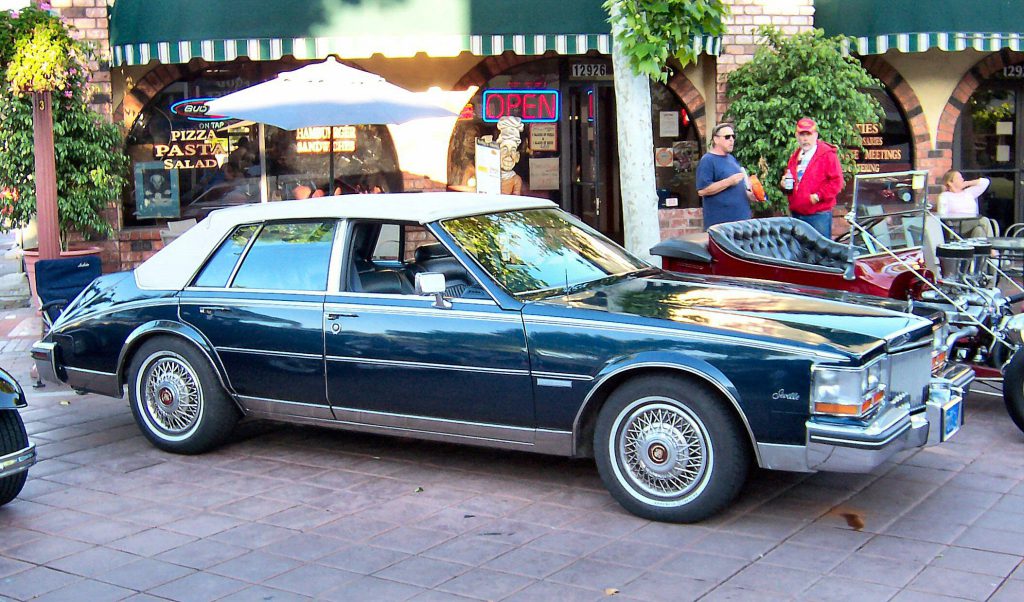
This diesel disaster proves that prestige badges can’t hide mechanical mayhem.
The 1980 Cadillac Seville with its Oldsmobile-sourced 5.7L diesel V8 engine was, to put it mildly, a rolling disaster. This powerplant developed a reputation for frequent head gasket failures and oil flooding, a mechanical puzzle that even the engineers who designed it couldn’t consistently solve. While gasoline versions from that era are decent, the diesel variant is a true money pit where finding specific parts feels like searching for a unicorn. The market value for a decent example hovers around $4,000 to $6,000, a figure that’s essentially a down payment on the inevitable repair bills.
This Seville is a prime example of how a prestigious badge can hide a deep mechanical abyss. For enthusiasts, it’s a cautionary tale, a potent reminder that not all luxury from the past ages gracefully, especially when it involves a diesel engine that seemed engineered for self-destruction.
14. 1988 Cadillac Cimarron
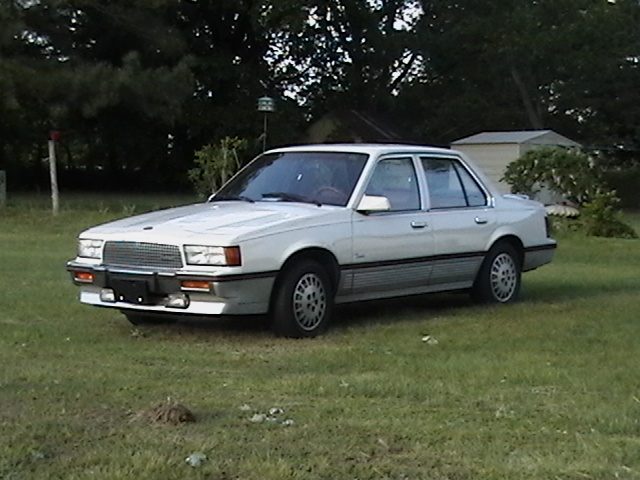
Corporate hubris meets automotive embarrassment in badge-engineered form.
Car and Driver famously labeled the 1988 Cadillac Cimarron “the most embarrassing car in America,” and frankly, they weren’t wrong. This was pure corporate hubris: take a humble Chevrolet Cavalier, slap a Cadillac badge on it, and ask nearly double the price—around $13,000 back then. It was like putting a tuxedo on a clown; it looked superficially fancy, but the underlying silliness was undeniable.
Under the hood, a meager 2.8L V6 engine struggled to motivate the Cimarron, and its handling felt about as refined as a shopping cart with a wobbly wheel. Cadillac’s reputation took a significant hit, needing the entire next decade to recover. Today, a clean Cimarron might snag $5,000 to $7,000 from ironic collectors, but owning one is a gamble.
13. 1981 Imperial by Chrysler
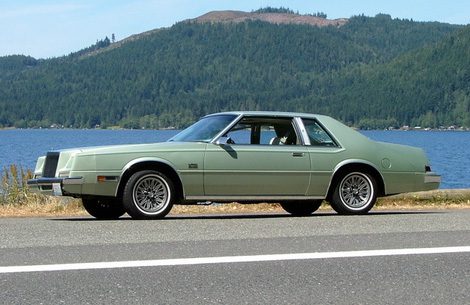
Failed electronics and weak power made this resurrection attempt more zombie than phoenix.
Chrysler’s attempt to revive the Imperial nameplate in 1981 was less a resurrection and more a Frankenstein’s monster built on the Cordoba’s chassis. This car arrived loaded with electronic gadgets that sounded futuristic but were, in reality, temperamental nightmares. Think talking dashboards that offered commentary like a bored GPS and outdated CB radios that crackled more than they communicated.
Under the hood, a 3.8L V8 engine choked out a mere 140 horsepower, which even for the era, felt like trying to outrun a slow jogger. Chrysler managed to sell approximately 14,000 units before waving the white flag by 1983. Today, their market value struggles to climb past $8,000, proving that electronic systems that failed when new don’t age like fine wine.
12. 1979 Lincoln Continental Mark V
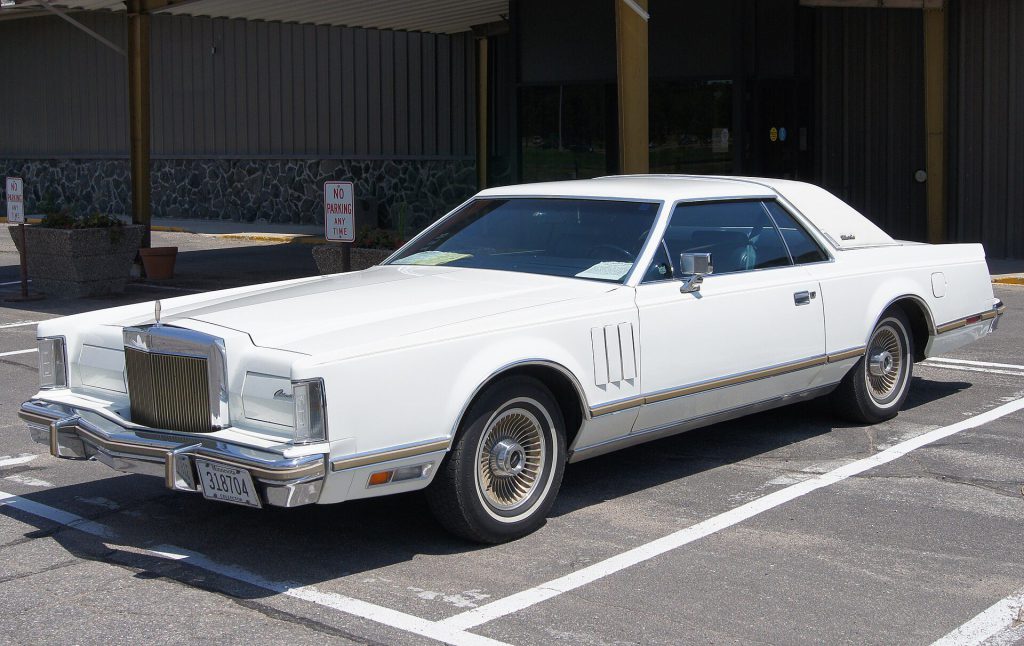
Massive presence meets minuscule power in this electrical nightmare.
This behemoth offered a vision of American excess, boasting a long hood, iconic opera windows, and the distinct Continental hump trunk. However, the Collector’s Series trim was pure window dressing—no performance gains here. You were stuck with a 400 cubic inch V8 coughing out a mere 159 horsepower, tasked with motivating nearly 4,600 pounds of steel.
Anyone who’s wrestled with classic cars knows the electrical gremlins are often the worst. This Lincoln was notorious for failing automatic temperature controls, window regulators that gave up the ghost, and a general electrical system that behaved like a flaky Wi-Fi connection. While pristine examples might fetch between $12,000 and $15,000, prepare for restoration costs to easily double that, turning your dream cruiser into a costly roadside assistance nightmare.
11. 1974 Cadillac Eldorado Convertible
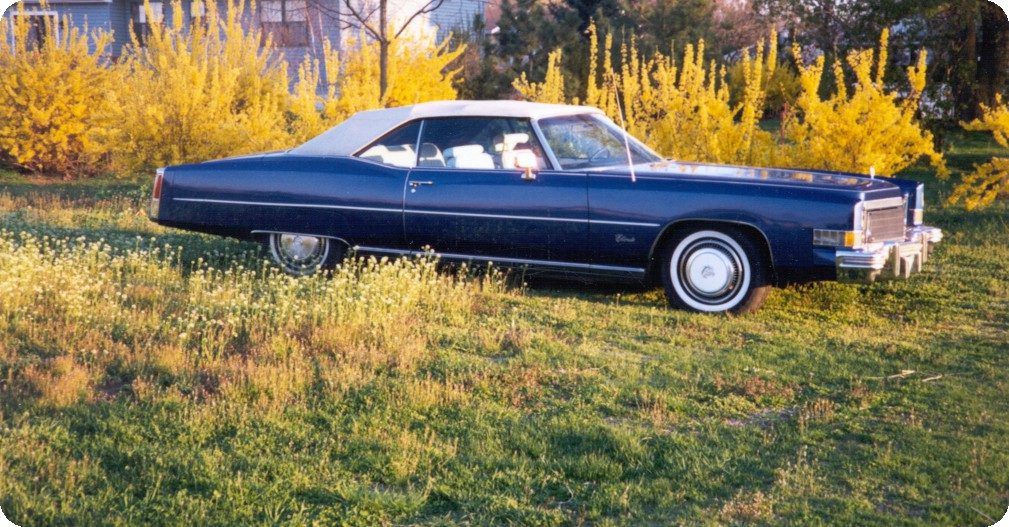
Marketing hype about rarity couldn’t hide this land yacht’s common problems.
The 1974 Cadillac Eldorado Convertible was marketed with considerable fanfare, but the claim of instant collectible status was more marketing smoke than fire. Cadillac churned out over 9,000 units that year, meaning these land yachts are hardly rare. Underneath that nearly 19-foot length sits a 500 cubic inch V8, which, thanks to emissions controls, barely mustered 210 horsepower.
The notorious deterioration of the convertible tops means facing a significant repair bill. Values have been stuck in neutral for decades, hovering between $18,000 and $28,000. Getting one to show quality can easily set you back north of $40,000, leaving owners with a common, massive, and wallet-draining piece of American automotive history.
10. 1983 Lincoln Continental
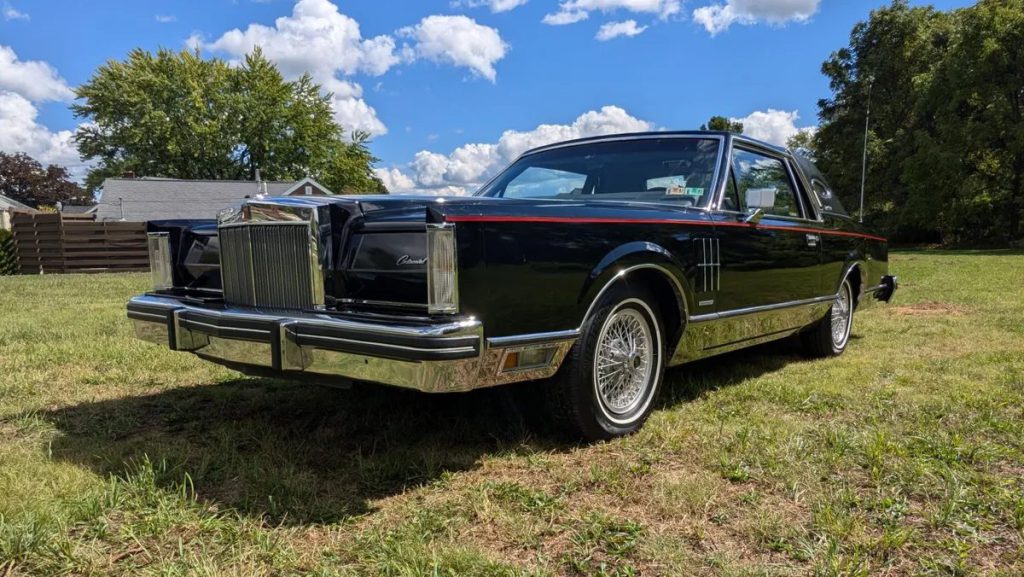
Front-wheel drive meets luxury pretensions in this disconnected driving experience.
This generation of the Lincoln Continental (1982-1987) marked a dramatic shift, essentially becoming a Ford Tempo wearing a fancy suit with front-wheel drive. Under the hood, a 3.8L (232 cu in) V6 coughed out a mere 110 horsepower, which felt more like a gentle suggestion than motivation for a Lincoln.
The electronic air suspension systems had a habit of collapsing faster than a soufflé in a hurricane, and those overdrive transmissions were prone to failure. While some pristine examples might fetch $8,000 to $12,000 from a dedicated cult following, the driving experience itself handles with all the enthusiasm of a sloth on tranquilizers, thanks to that front-wheel-drive setup and temperamental suspension.
9. 1981 Cadillac DeVille (V8-6-4 Engine)
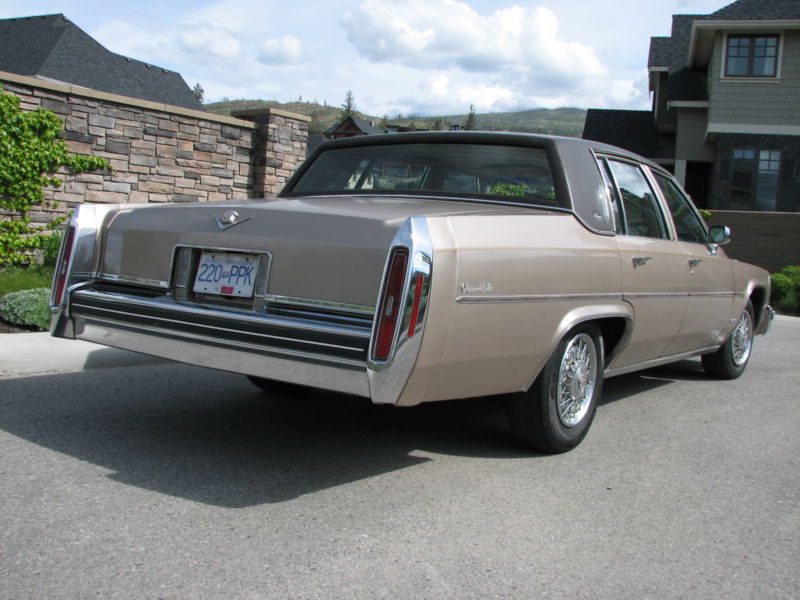
Cylinder deactivation technology that activated headaches instead of fuel savings.
Cadillac’s ambitious V8-6-4 engine in the 1981 DeVille was supposed to be a fuel-saving marvel, but it ended up being more of a rolling headache than a luxury feature. This cylinder deactivation tech aimed to shut down cylinders to sip gas, but it constantly stumbled, stalled, and ran rougher than a budget airline flight. The issues were so widespread that Cadillac even offered free conversions to lock the engines into V8 mode.
Finding a clean example today usually means shelling out between $8,000 and $12,000. However, that original V8-6-4 system, often touted as a selling point, is actually a flashing neon sign warning you to walk away. Anyone who’s ever dealt with finicky electronics knows the frustration; this car brings that feeling to the entire powertrain.
8. 1982 Chrysler Executive Sedan
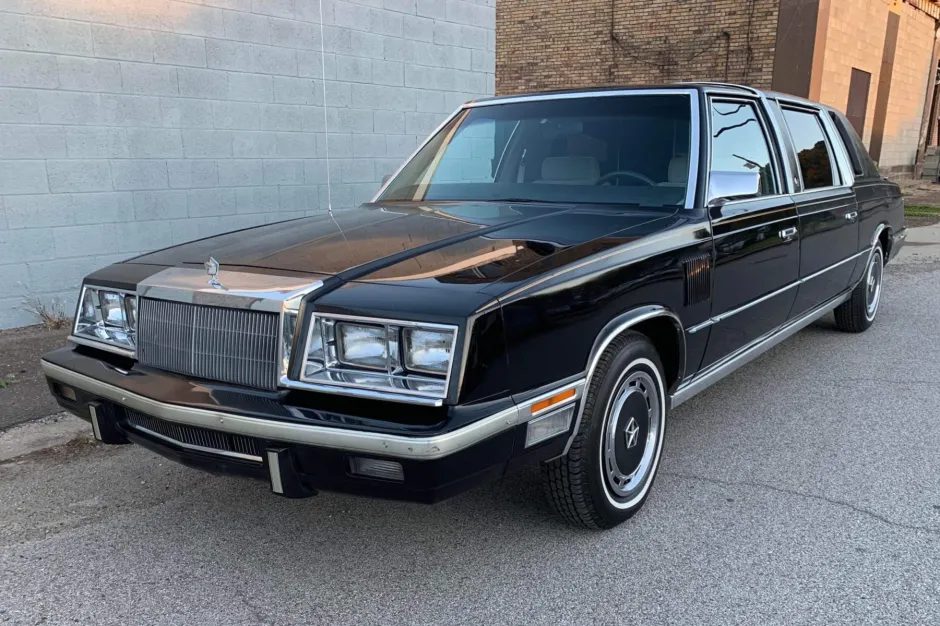
Ultra-rare doesn’t equal desirable when K-car DNA lurks beneath stretched luxury.
Fewer than 400 of these Chrysler Executive Sedans ever rolled off the line, but rarity doesn’t translate to desirability here. Chrysler essentially took a standard limousine body, stretched it out, and then slathered it in velour and chrome. The problem? Underneath that stretched shell, it was pure K-car, sharing its humble 2.2L 4-cylinder engine with the economy Dodge Aries.
That extra wheelbase did wonders for creating noticeable structural flex, and the fancy interiors turned into a cautionary tale of aging poorly within just a few years. These ultra-rare executive cruisers barely show up at auctions, and when they do, serious collectors tend to pass them right by, knowing their K-car DNA offers little in speed or long-term durability.
7. 1985 Cadillac Fleetwood Brougham
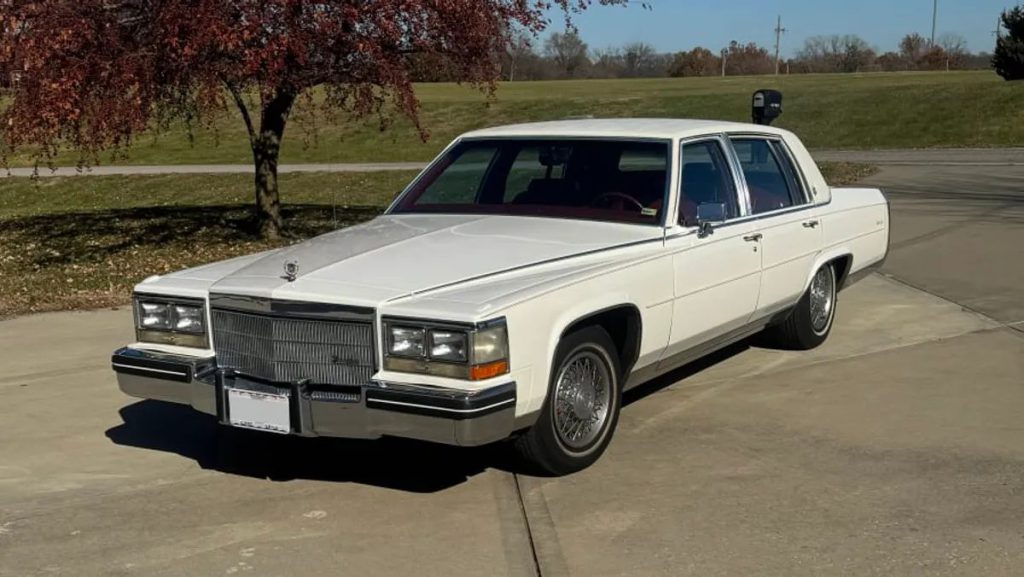
Luxury nameplate meets catastrophic engine failure in this HT4100 nightmare.
The 1985 Cadillac Fleetwood Brougham arrived with a nameplate suggesting luxury, but under the hood lurked a ticking time bomb. This particular model was saddled with the disastrous HT4100 engine, a 4.1L V8 that coughed out a mere 135 horsepower. It quickly became infamous for catastrophic failures, from head gasket blowouts to coolant and oil playing disastrous tag team.
GM quietly pulled this powerplant by 1987. If eyeing a clean example today, expect to pay between $10,000 and $15,000. But here’s the kicker: verifying the engine code before signing anything is non-negotiable. Later Fleetwood Broughams with the more robust Oldsmobile 307 V8 are considered solid classics, while HT4100 versions are financial time bombs.
6. 1989 Lincoln Town Car (First Generation)
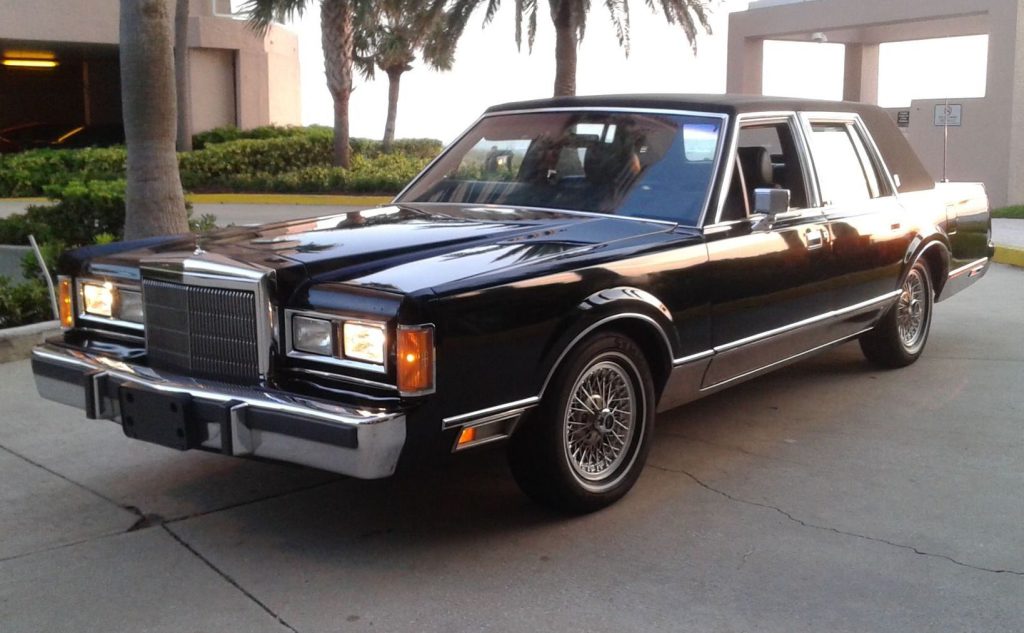
Plush ride meets hidden rust and failing air suspension in this maintenance money pit.
The first-generation Lincoln Town Car, produced from 1981 to 1989, offered that signature plush ride many associate with American luxury. However, beneath the smooth exterior lurked potential trouble, especially after the odometer rolled past higher mileage. These land yachts, powered by a 302 cubic inch V8 typically making around 150 horsepower, saw their fancy electronic air suspension systems frequently give up the ghost.
The vinyl padded roofs, while stylish, were rust magnets, trapping moisture like a damp basement. Buyers often pay between $12,000 and $18,000 for seemingly clean examples, blissfully unaware that a further $25,000 might vanish into restoration, especially if hidden rot has taken hold. A magnet test on the body panels is essential, because that shiny finish can hide metal-eating regret.
5. 1976 Cadillac Calais
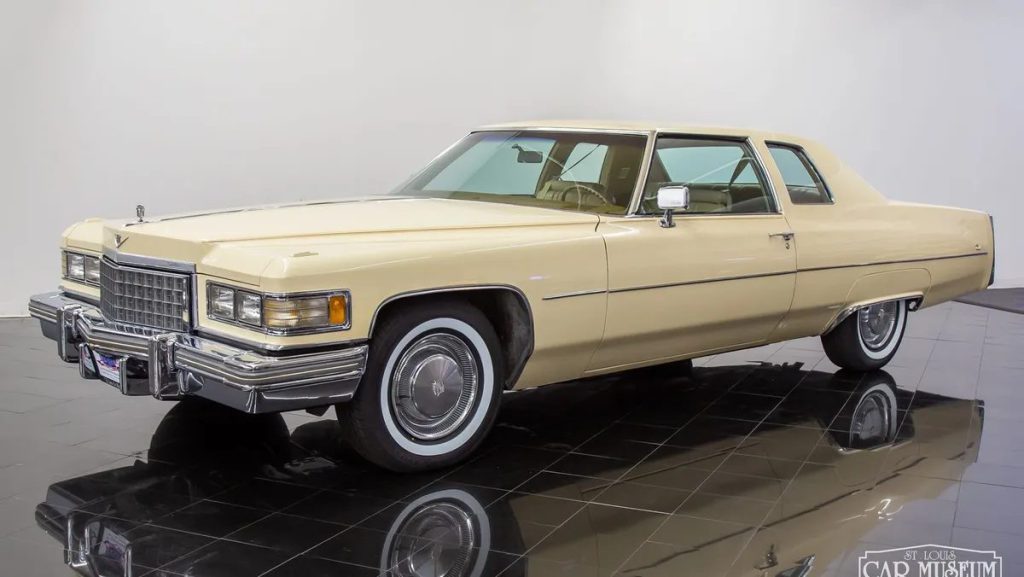
Entry-level Cadillac quality meets emissions-strangled power in this rust-prone disappointment.
By 1976, Cadillac’s Calais model was the automotive equivalent of a hand-me-down suit—it had the right label, but the quality was noticeably lacking. This entry-level Caddy was a stripped-down affair, featuring thin carpeting and minimal sound insulation, making it feel more like a Buick trying on a fancy hat. Under the hood, a massive 500 cubic inch V8 choked by emissions controls wheezed out a mere 190 horsepower in a vehicle tipping the scales at around 5,000 pounds.
Aggressive rusting is practically a given, especially on the rear wheel arches and trunk floors. Finding specific trim pieces is like searching for a unicorn. While clean examples might fetch $6,000 to $8,000, the economics of restoring one of these are usually stacked against buyers.
4. 1993 Cadillac Allante
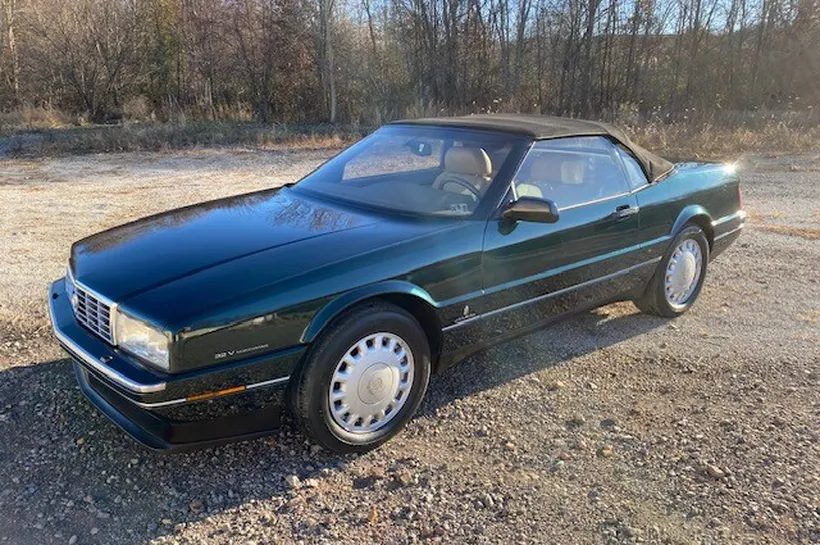
Italian styling meets American assembly issues in this depreciation disaster.
Cadillac’s ambitious foray into the European luxury roadster market, the Allante, flew its body panels across the Atlantic in a specially chartered 747 cargo aircraft. Designed by Pininfarina, these Italian-made parts were air-freighted to Detroit, a logistical feat that cost a pretty penny. While the 1993 model year brought the more reliable Northstar V8, earlier Allantes were plagued by problematic 4.1L and 4.5L engines.
The transition from Italian craftsmanship to American assembly often left owners scratching their heads over wonky fit and finish, and the convertible tops had a habit of throwing tantrums. Even the more desirable Allantes with the Northstar V8 struggle to fetch much more than $12,000 to $15,000 today, with earlier models worth approximately half that.
3. 1980 Lincoln Mark VI
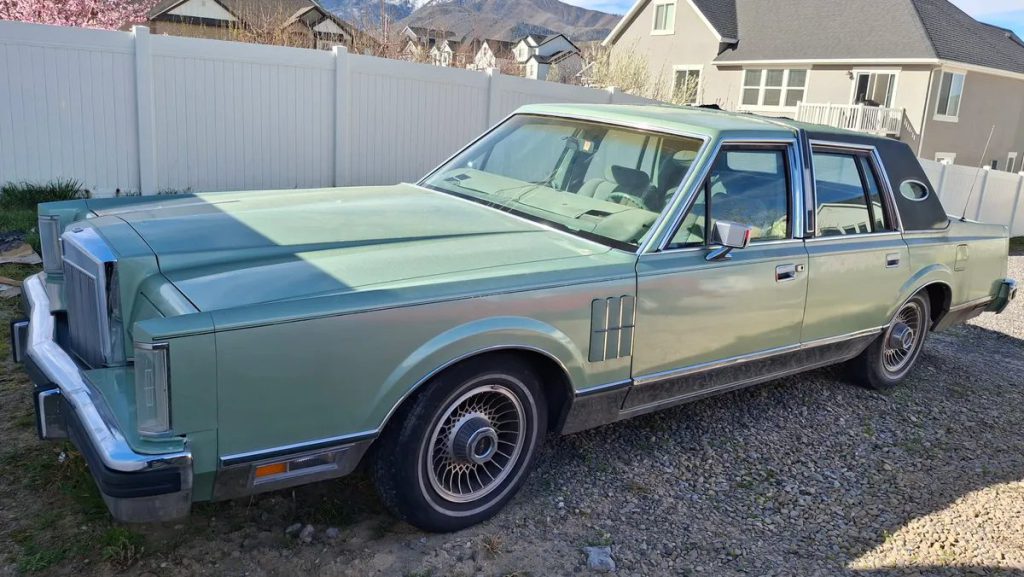
Downsized disappointment where luxury nameplate met cost-cutting reality.
The 1980 Lincoln Mark VI weighed over 3,800 pounds but only managed 130 horsepower from its 302 V8 engine, meaning acceleration was about as exciting as watching paint dry. The Collector’s Series trim, with its padded roofs and excessive chrome, felt like putting a fancy suit on a budget chassis—a disguise for cost-cutting measures that would soon become apparent.
Electrical gremlins plagued this Lincoln, with window regulators, door locks, and climate controls failing with regularity. For over two decades, clean examples have languished between $6,000 and $10,000, a clear signal from the market that this car represents financial stagnation wrapped in luxury nameplate nostalgia.
2. 1987 Cadillac DeVille
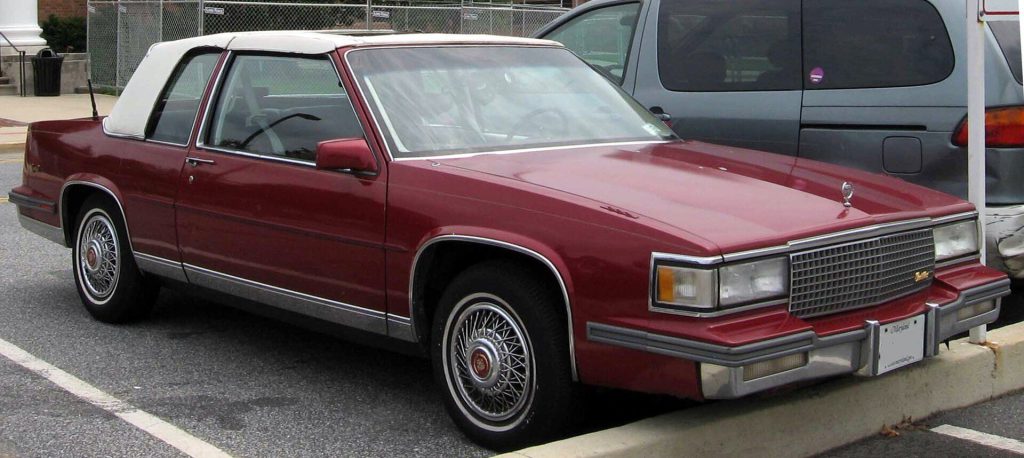
Front-wheel drive meets mechanical woes in this ubiquitous but unreliable luxury sedan.
The 1987 Cadillac DeVille was a common sight, often parked outside doctor’s offices or country clubs, but its ubiquity masked significant mechanical woes. Early versions inherited the notoriously unreliable HT4100 engine, and even later models with the 4.5L engine weren’t immune to problems like coolant leaks and timing chain failures. The front-wheel-drive setup struggled with the vehicle’s sheer size, resulting in handling that felt as disconnected as a bad Zoom call.
Rust had a particular fondness for the rear wheel wells and trunk seams, turning pristine exteriors into patchy landscapes. The electronic climate control systems proved to be a nightmare for mechanics, often costing more to repair than the car was worth. While clean examples might list between $5,000 and $10,000, these DeVilles are best admired from a distance, a relic of an era when American luxury prioritized comfort over lasting reliability.
1. 1975 Cadillac Fleetwood Eldorado Convertible (Bicentennial Edition)
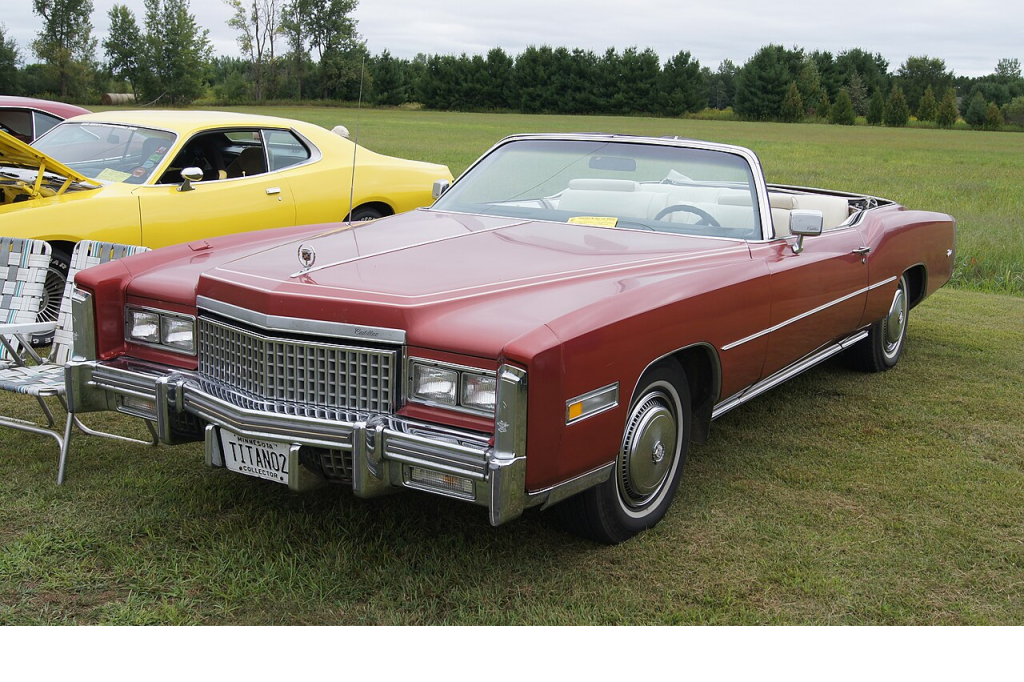
Patriotic marketing couldn’t save this slow, unreliable celebration of American disappointment.
The 1975 Cadillac Fleetwood Eldorado Convertible Bicentennial Edition was essentially a patriotic marketing ploy for America’s 200th birthday. This land yacht packed a 500 cubic inch V8, which coughed out a mere 190 horsepower, making it less a spirited ride and more a leisurely cruise. The special white paint and red/blue interior, while festive, couldn’t hide the fact that nearly every surviving example’s convertible top has succumbed to the elements.
Finding intact Bicentennial trim pieces today is like searching for a quiet influencer. Many of these Caddies were improperly stored as “investments,” which usually means they were left to rust into oblivion. While a pristine example might command high asking prices at auction, they often sit unsold, proving that a sparkly paint job and birthday theme can’t save a slow, unreliable car with chronic age-related maladies.