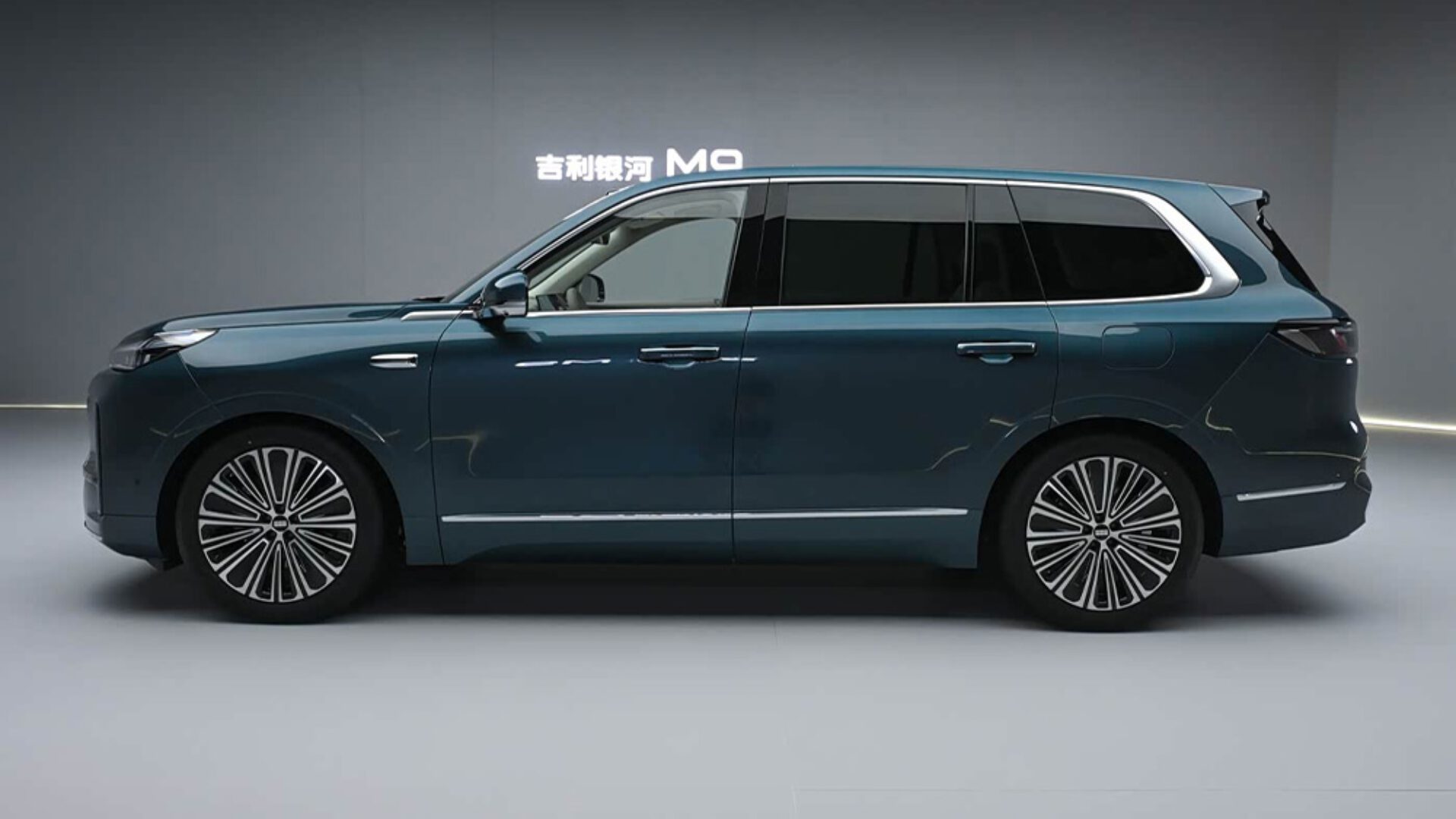
The Geely Galaxy M9 just outperformed every three-row SUV available in America—yet you can’t buy one. This Chinese PHEV showcases engineering that challenges established automotive hierarchies, though specific acceleration claims require verification through additional independent testing. Your neighborhood family haulers suddenly face unexpected competition when a 5,771-pound crossover demonstrates the potential of advanced hybrid systems. The Galaxy M9’s sophisticated powertrain doesn’t just compete with American options—it redefines expectations.
Range Capabilities Set New Standards
Real-world testing suggests Chinese engineering advances in hybrid efficiency.
Independent evaluations indicate impressive electric-only range capabilities that exceed most PHEVs in U.S. showrooms. Combined with its gas tank, the total range appears substantial for long-distance travel. This represents practical engineering rather than theoretical promises. While American automakers refine battery strategies, Geely’s approach to hybrid systems demonstrates alternative pathways to efficiency. Your daily commute could become emission-free while weekend road trips happen without frequent stops.
Premium Features Challenge Luxury Segment
Sound engineering and cabin amenities rival established premium brands.
Highway noise levels reportedly compete with luxury vehicles, suggesting serious attention to cabin refinement. The interior features massaging seats, premium technology, and a large display system that matches contemporary expectations. This isn’t budget manufacturing disguised as luxury—it represents genuine attention to comfort and quality. The cabin’s acoustic engineering demonstrates how Chinese manufacturers have evolved beyond cost-focused strategies.
Pricing Structure Creates Market Disruption
Chinese domestic pricing reveals significant value differences versus U.S. luxury hybrids.
Domestic Chinese pricing structures suggest substantial value advantages over comparable American vehicles. The cost differential between similar performance levels highlights how regional markets shape automotive economics. Toyota and BMW’s hybrid offerings command premium prices that reflect different market positioning. Basic economics reveals how geographic restrictions limit consumer access to diverse pricing strategies and technological approaches.
Trade Policies Limit Consumer Access
Political barriers prevent Americans from experiencing alternative automotive technologies.
The Galaxy M9 remains unavailable due to substantial tariffs on Chinese vehicles. Political tensions shape automotive markets as much as engineering capabilities. While testing suggests impressive capabilities, regulatory barriers maintain market separation. Your automotive choices remain influenced by trade policies rather than purely technological merit, demonstrating how politics intersects with consumer access to emerging automotive innovations.