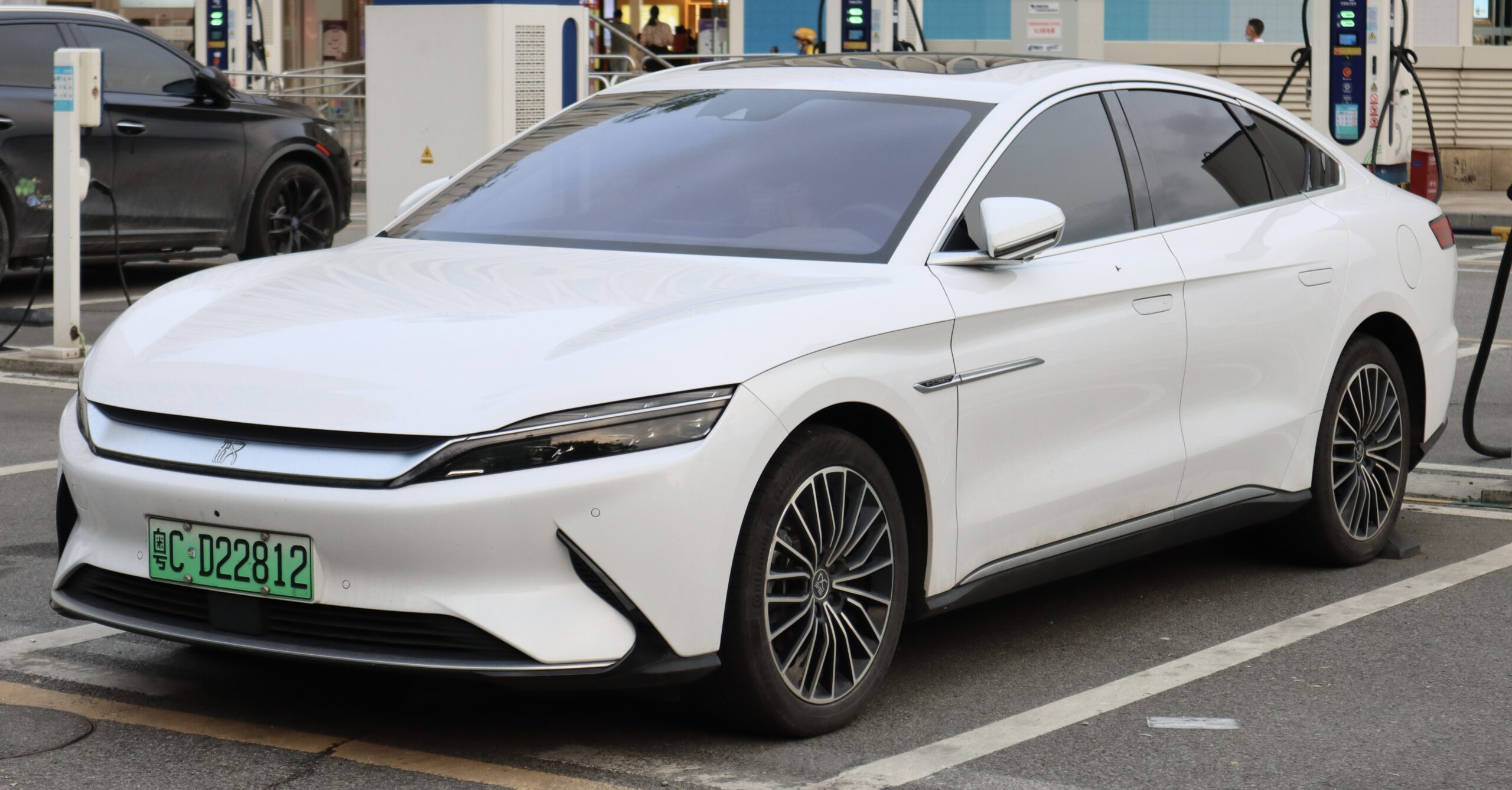
Sooren Moosavy scrolls through YouTube reviews of BYD sedans and Zeekr SUVs like someone browsing vacation destinations they can’t afford. The 28-year-old Baltimore resident wants an electric vehicle under $30,000, but American dealerships offer nothing close. Meanwhile, Chinese EVs dominate global markets with premium interiors, advanced driver assistance, and yes—actual mini-fridges. Consumers can’t test-drive what doesn’t exist here.
Missing Out on the EV Revolution
Chinese manufacturers pack luxury features into budget-friendly electric vehicles that Americans simply cannot access.
The technology gap feels almost insulting. Edmunds editor Clint Simone called Chinese EV tech “astounding” for the price after CES testing, highlighting karaoke systems and sophisticated driving software in sub-$25,000 vehicles. China leads global vehicle exports across 66 countries with over $100 million in annual sales each.
Neighbors in Canada cut tariffs to just 6.1% for 49,000 Chinese EVs annually. American buyers remain stuck paying nearly $50,000 for average new cars.
Politics Versus Pocketbooks
Over 100% tariffs protect American jobs and data security while frustrating cost-conscious consumers.
The math is brutal but deliberate. U.S. tariffs exceeding 100% effectively ban Chinese imports, driven by concerns over data security and domestic job protection. Cox Automotive surveys reveal the disconnect: 49% of prospective buyers rate Chinese cars as excellent value, and 40% support their U.S. entry. Auto industry groups and politicians like Senator Bernie Moreno oppose entry entirely. American wallets want competition; Washington wants control.
American buyers remain stuck paying nearly $50,000 for average new American cars.
The Tariff Workaround
Geely plots American entry through local manufacturing that could reshape the affordable EV landscape.
Smart money sees a path around the trade war. Chinese automotive giant Geely signals U.S. plans via its Volvo South Carolina plant, eyeing Zeekr and Lynk & Co launches within 24-36 months. Steve Greenfield from Automotive Ventures explains: “Chinese vehicles represent a solution to the affordability issue US auto consumers are facing.” Local production means American workers, data compliance, and no tariffs—just the competition EV shopping desperately needs.