Chrisanna Elser got a summons from Columbine Valley police accusing her of stealing a package. The evidence? A license-plate-reader camera that placed her truck near the scene. The problem? She wasn’t there. According to Denverite, Elser had to dig up her own timestamped truck video and a neighbor’s doorbell camera footage to prove it. Nobody verified the camera’s implication before the summons landed. The camera spoke, and the system listened — no further questions asked.
When the Camera Becomes the Case File
Flock Safety’s automated plate-reader network is now a primary evidence source for local police departments nationwide — and the Elser case shows exactly what that costs when the data points the wrong direction.
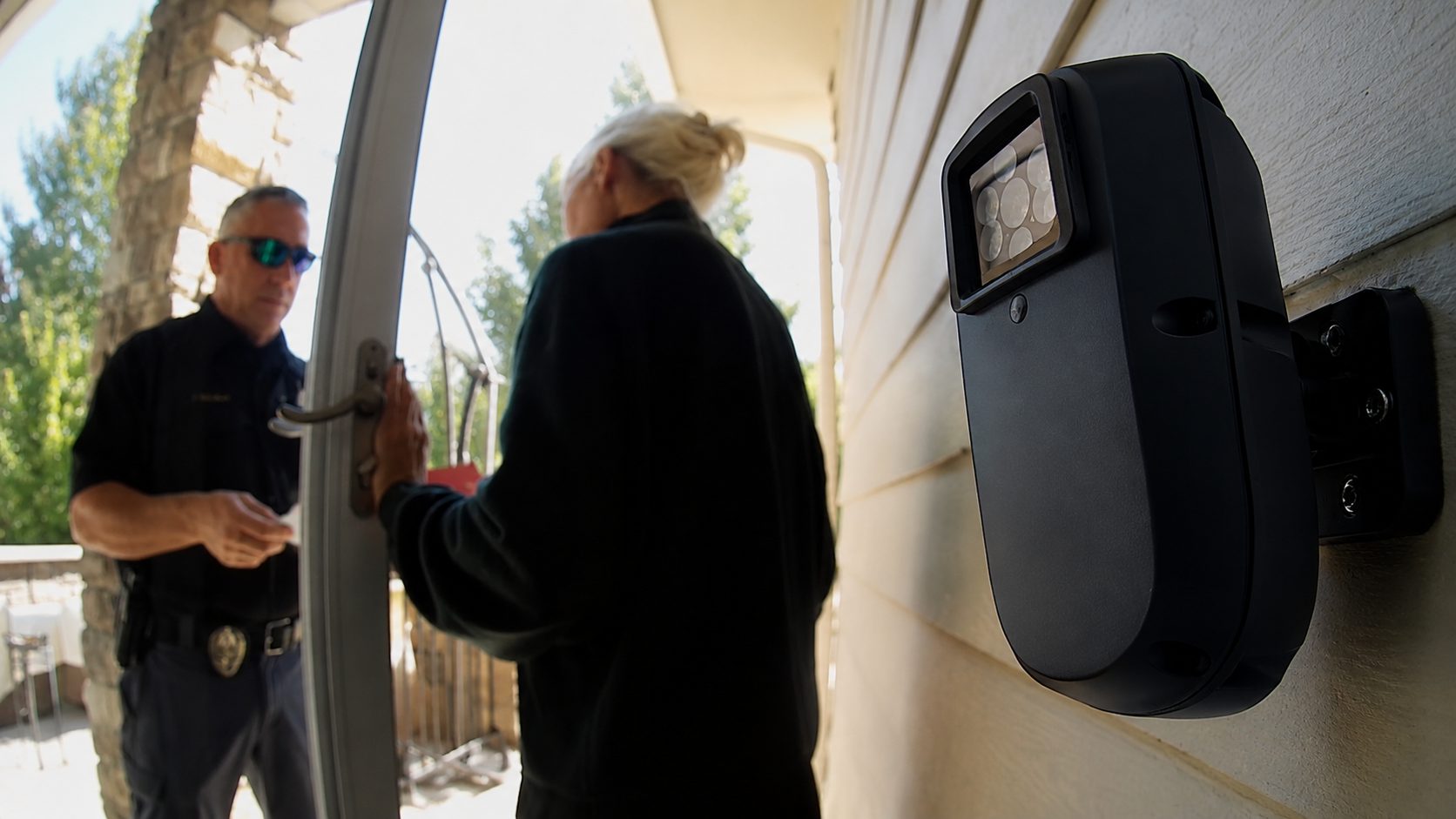
Flock Safety operates a network of ALPR (automated license-plate reader) cameras that capture point-in-time images of plates on public roads. Police departments across the country use them. Columbine Valley police issued Elser a summons based solely on that Flock footage, per CBS News Colorado. Then the evidentiary work fell entirely to her:
- Elser gathered her own evidence: timestamped video from her truck and a neighbor’s doorbell camera, as reported by Denverite.
- That evidence showed she was not at the scene during the alleged theft.
- Police voided the summons after reviewing the materials she provided.
CBS News Colorado framed the broader shift this way: policing has moved from fighting crime to citizens “proving where you are and what you’re doing.”
Flock Safety maintains its cameras are not mass-surveillance tools. The company says images are deleted at regular intervals unless accessed for a specific investigation, and courts have generally found no reasonable expectation of privacy on public roads. That’s their stated position — reasonable on its face.
Civil-liberties advocates see something different. The Colorado Sun has reported concerns about the network’s scale and cross-jurisdictional connectivity creating what critics describe as dragnet surveillance infrastructure. Independent reporting has documented plate misreads leading to innocent people being stopped or detained. One camera on one pole is a tool. Thousands of them networked together start to feel like something straight out of a Black Mirror writers’ room.
The Elser case didn’t expose a broken camera. It exposed a broken process.
Who Checks the Machine Before It Checks You?
The real accountability gap isn’t in the hardware — it’s in the absence of any clear policy requiring officers to independently verify an automated camera hit before a summons is issued.
The available reporting does not establish what internal procedures, if any, Columbine Valley requires before acting on a Flock hit. That gap matters. The Colorado Sun has noted that advocates worry about insufficient oversight governing how departments translate automated surveillance app data into legal action against real people.
Your car drives past these cameras every day. Elser had the footage to fight back. The uncomfortable question is whether most drivers could.