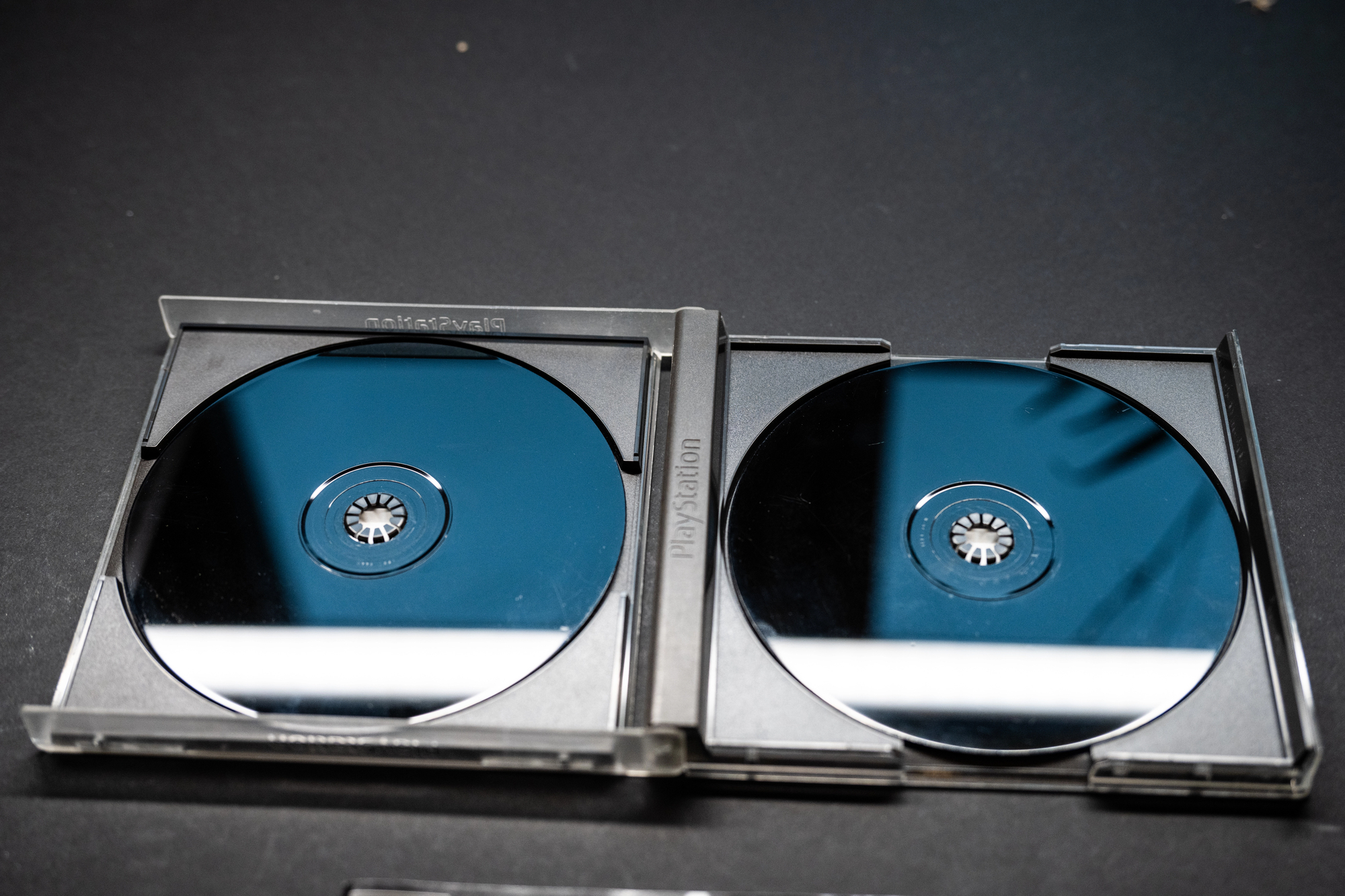
Sony calls it a natural evolution. The internet calls it something considerably less polite. On July 1, 2026, the company announced that physical disc production for all new PlayStation games ends in January 2028, citing “shifting trends in consumer preference” and noting that digital purchases “significantly outpaces physical discs,” according to the PlayStation Blog. Fair enough — most players do buy digitally now. But the timing was spectacularly bad.
Sony had just removed over 500 purchased StudioCanal films and TV titles from user libraries after a licensing deal expired, according to BBC reporting. That’s not a hypothetical nightmare. That’s a receipt. Think of it as the gaming equivalent of paying to own a show outright, then watching it disappear from a streaming service anyway — except players assumed games were supposed to be different.
Rockstar’s separate confirmation that Grand Theft Auto 6 will launch digital-only poured gasoline on an already burning conversation. This isn’t one company making a format decision. It’s an industry-wide pattern arriving all at once.
Here is what concretely changes for players after January 2028:
- No resale or lending of new PlayStation games
- Pricing controlled entirely by Sony’s storefront, with no retailer competition
- Library access tied to an account and Sony’s licensing agreements
- Game preservation dependent on Sony keeping servers running
- Collectors locked out of new physical releases entirely
Hideo Kojima told Engadget he was “saddened” by the decision, warning that digital-only distribution could mean people lose access to content they already purchased. Coming from the creator of Metal Gear Solid, that’s not nostalgia talking — it’s pattern recognition. The history of video games is full of titles that became inaccessible once platform holders stopped supporting them.
When KFC España Is Ratio-ing Your Announcement
The backlash escaped the gaming bubble fast enough to become a full cultural moment.
The discourse had clearly gone sideways when fast-food brands started dunking on a corporate strategy. KFC España, Respawn, and others posted jokes about “digital-only” physical products. GitHub offered public repos on CD-ROM. When developers are clowning on the announcement alongside chicken chains, the conversation has left the gaming bubble entirely. PlayStation’s own X account went silent for at least a full day after the announcement — a quiet that itself became part of the story.
This is a broader reckoning with what “buying” means when a platform holder can alter a library after the transaction. Sony’s framing — that this move simply reflects where consumers already are — doesn’t address the actual complaint. Players aren’t mourning the disc format. They’re asking what ownership means when the terms can change after purchase. It fits a pattern of tech scandals in which platform holders have quietly eroded consumer trust over time.
Every future digital transaction now carries the same unspoken question: is it ownership, or a revocable license that lasts only as long as Sony’s next licensing agreement?