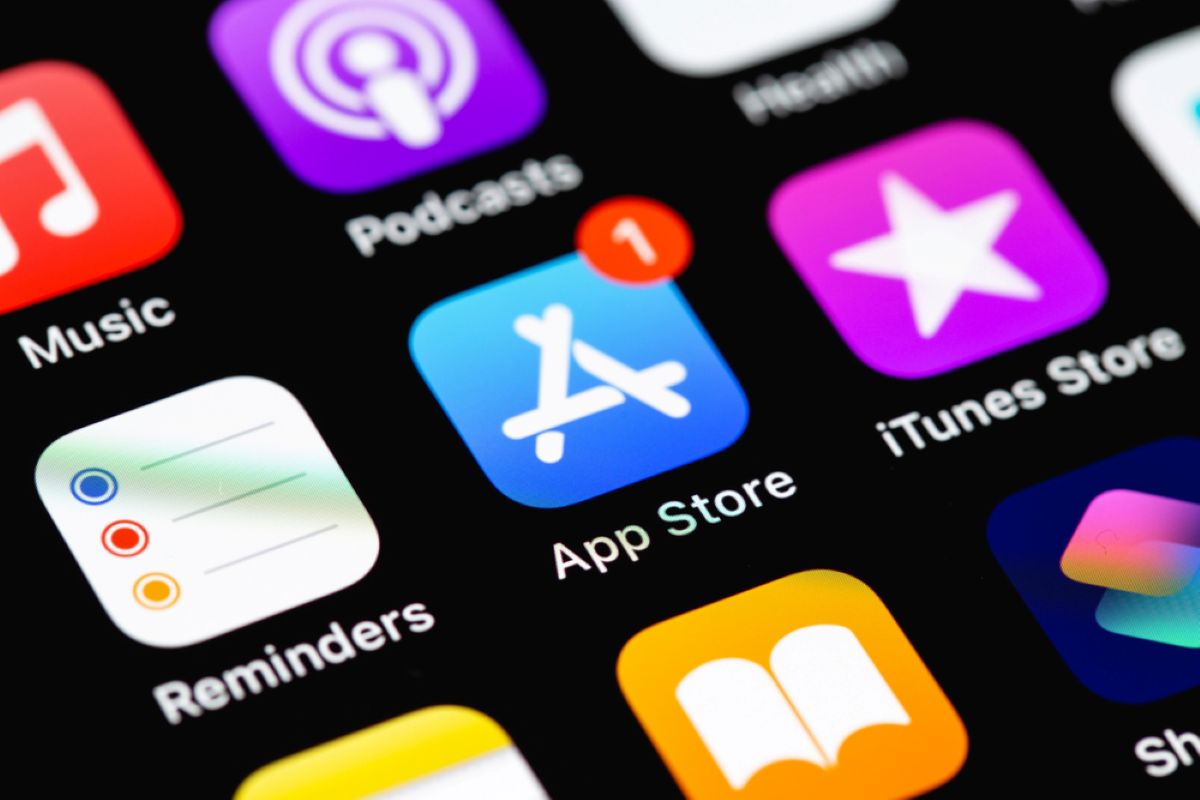
Scrolling through endless productivity apps when you’re really looking for something to help with meal planning feels like digital purgatory. Apple’s solution arrives as Personalized Collections—algorithm-driven recommendations that appear across the Apps, Games, and Search tabs based on your download history and interests.
Think Netflix’s “Because you watched…” rows, but for finding that perfect habit tracker or indie game that actually matches your vibe. The feature builds on Apple’s existing personalization infrastructure while promising to surface quality apps that might otherwise get buried under chart-topping juggernauts.
The Privacy-First Recommendation Engine
Apple uses App Store history and device data while maintaining opt-out controls.
Your personalized recommendations draw from the same limited data pool Apple already uses for the Today tab:
- Previous App Store searches
- Downloads
- Device type
- Apple Account information
No browsing history from Safari. No text messages. No location tracking users specifically for app suggestions.
Users maintain control through Settings > Privacy & Security, where disabling personalized recommendations reverts everything back to generic, one-size-fits-all suggestions. It’s the same approach Apple takes with Apple Music and Apple News—algorithmic curation with clear escape hatches for anyone uncomfortable with digital mind-reading.
What Changes (And What Doesn’t)
Editorial featuring remains alongside algorithmic discovery tools.
Your App Store experience gets more tailored without losing human curation. Apple’s editorial team still handpicks Today stories and seasonal collections, but now Personalized Collections can surface that meditation app perfect for your late-night scrolling habits or the photography tool that complements your camera roll patterns.
Developers gain new promotional weapons too: Featuring Nominations let them directly pitch updates to Apple’s editorial team, while expanded offer codes work across all in-app purchase types. It’s algorithmic assistance, not algorithmic takeover.
The Discovery Revolution Meets Reality
Smaller developers get new pathways while user behavior becomes increasingly important.
This shift could democratize app discovery—or intensify competition for engagement signals. Quality apps with strong retention rates might finally break through regardless of marketing budgets, while developers must now optimize for sustained user engagement rather than just download spikes.
The App Store transforms from digital department store to personalized concierge service, with all the convenience and concern that implies. Your next favorite app discovery might feel less like lucky browsing and more like algorithmic destiny.