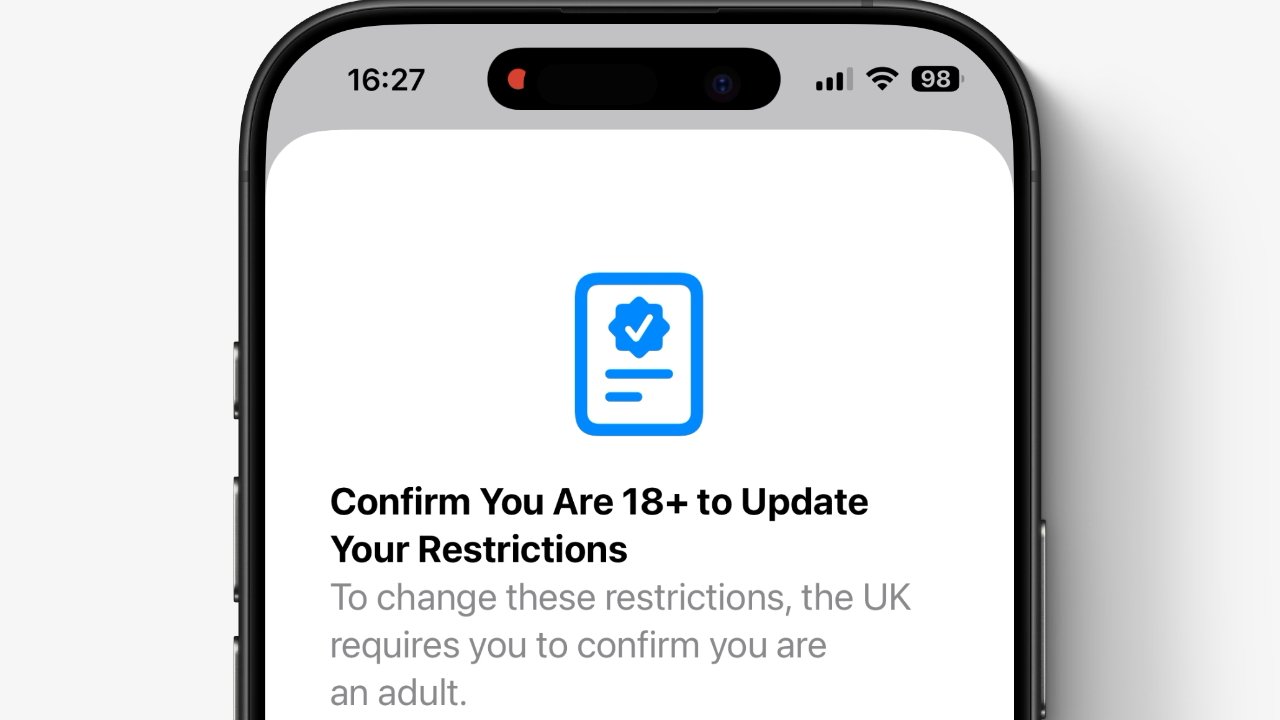
Creating a new iPhone account in Texas just became more complicated. Starting June 4, Apple must verify your age verification and manage parental consent flows under Senate Bill 2420, Texas’s App Store Accountability Act. The change affects only new Apple accounts created in Texas, but the ripple effects could reshape how app stores operate nationwide.
How Texas Age Gates Actually Work
Apple now sorts Texas users into specific age brackets with mandatory parental controls for minors.
The law requires Apple to sort users into four buckets:
- under 13
- 13-15
- 16-17
- 18+
Anyone under 18 needs verified parental consent before downloading apps, making purchases, or buying in-app content. Your existing Apple account stays untouched—this friction only hits new users navigating what used to be a seamless onboarding process.
Developers Bear the Compliance Burden
App makers face new API requirements and potential civil penalties for non-compliance.
Apple’s pushing most responsibility onto app makers through new APIs. Developers must track age categories via the Declared Age Range API and monitor “significant changes” that require renewed parental consent—though Apple leaves defining “significant” up to individual developers. Civil penalties can reach $10,000 per violation, according to legal analysis. Apps must also support consent revocation when Texas parents change their minds about previously approved downloads.
Constitutional Battle Continues
Federal courts remain divided on whether the law violates First Amendment protections.
A federal appeals court allowed enforcement to proceed despite ongoing litigation challenging the law’s constitutionality. A lower court judge previously called SB 2420 “likely unconstitutional” on First Amendment grounds, and Apple has argued that mandatory age verification conflicts with its privacy-focused approach by requiring data collection to determine user ages.
Beyond the Lone Star State
Texas is testing whether states can force localized compliance systems on tech platforms.
Texas is stress-testing state-level platform regulation—think of it as Florida’s social media laws meets California’s privacy rules. Other states are watching whether Texas can successfully force tech giants to implement localized compliance systems. For users everywhere, this represents the growing friction between seamless digital experiences and regulatory demands for child safety controls. Whether that trade-off actually protects kids or just creates security theater remains the billion-dollar question.