Walking past your neighbor’s Ring doorbell shouldn’t turn your face into corporate data, yet that’s exactly what happens when Amazon’s “Familiar Faces” feature is enabled. A Virginia man has filed a federal class-action lawsuit claiming the tech giant illegally scans and stores facial biometrics from millions of Americans—including people who never bought a Ring camera or agreed to facial recognition.
Charles Sigwalt’s lawsuit, filed in Seattle federal court, targets Ring’s AI-powered Familiar Faces feature that creates “faceprints” of everyone who appears on camera. While Ring owners can tag up to 50 familiar people for personalized alerts, the system scans every face it sees—delivery drivers, postal workers, neighbors walking by, kids selling cookies. Think of it like facial recognition at the airport, except it’s happening on residential doorsteps without the TSA signs warning you about it.
The legal claims pack serious punch. Sigwalt argues Amazon violates federal unfair practice rules and state privacy laws by collecting biometric data without meaningful consent. The suit seeks damages “far exceeding $5 million,” potentially reaching much higher given the millions of affected people. Amazon already blocks Familiar Faces in Illinois, Texas, and Portland—jurisdictions with stricter biometric laws—showing the company knows how to implement protections when legally required.
This lawsuit arrives amid growing scrutiny of Ring’s privacy practices. Senator Ed Markey has repeatedly called for Amazon to discontinue the feature, highlighting how affected individuals must track down and contact each Ring owner whose camera might store their faceprint to request deletion. The FTC previously required Amazon to pay $5.8 million for allowing employees improper access to Ring videos, part of a broader pattern of privacy violations including tracking users without consent and the development of surveillance app technologies.
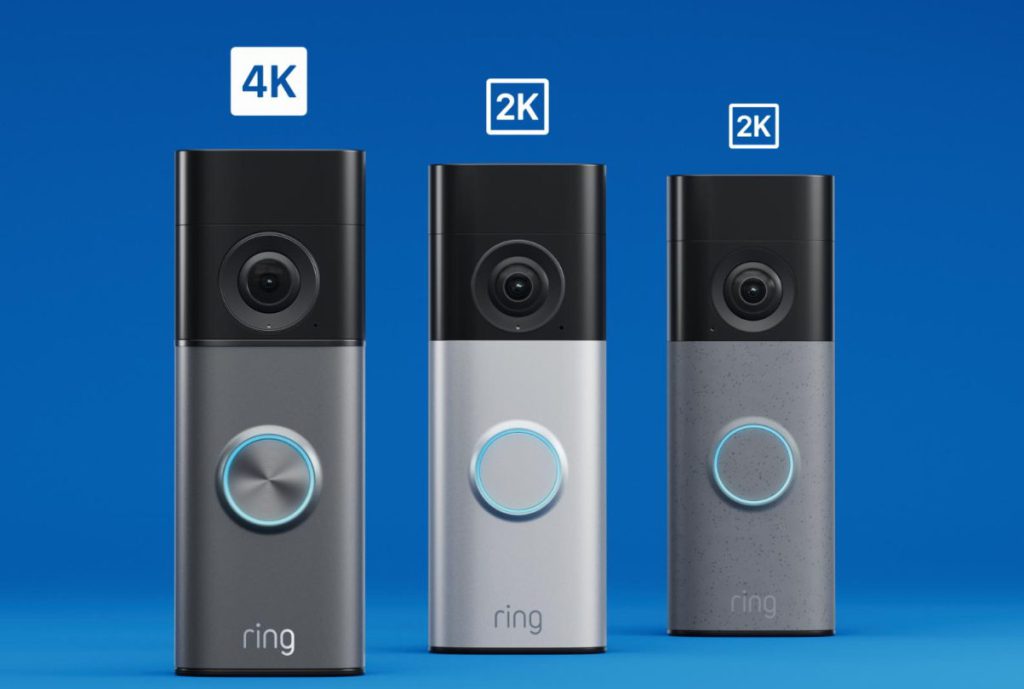
Your smart doorbell shouldn’t double as a neighborhood surveillance network. While facial recognition offers genuine convenience for homeowners, the current system treats everyone else’s biometric data as fair game for Amazon’s algorithms. For privacy-conscious homeowners concerned about these issues, alternative security systems may offer better protection. Whether courts force changes to Ring’s practices or Congress steps in with federal biometric protections, this case signals that the era of frictionless data collection is facing serious legal headwinds.