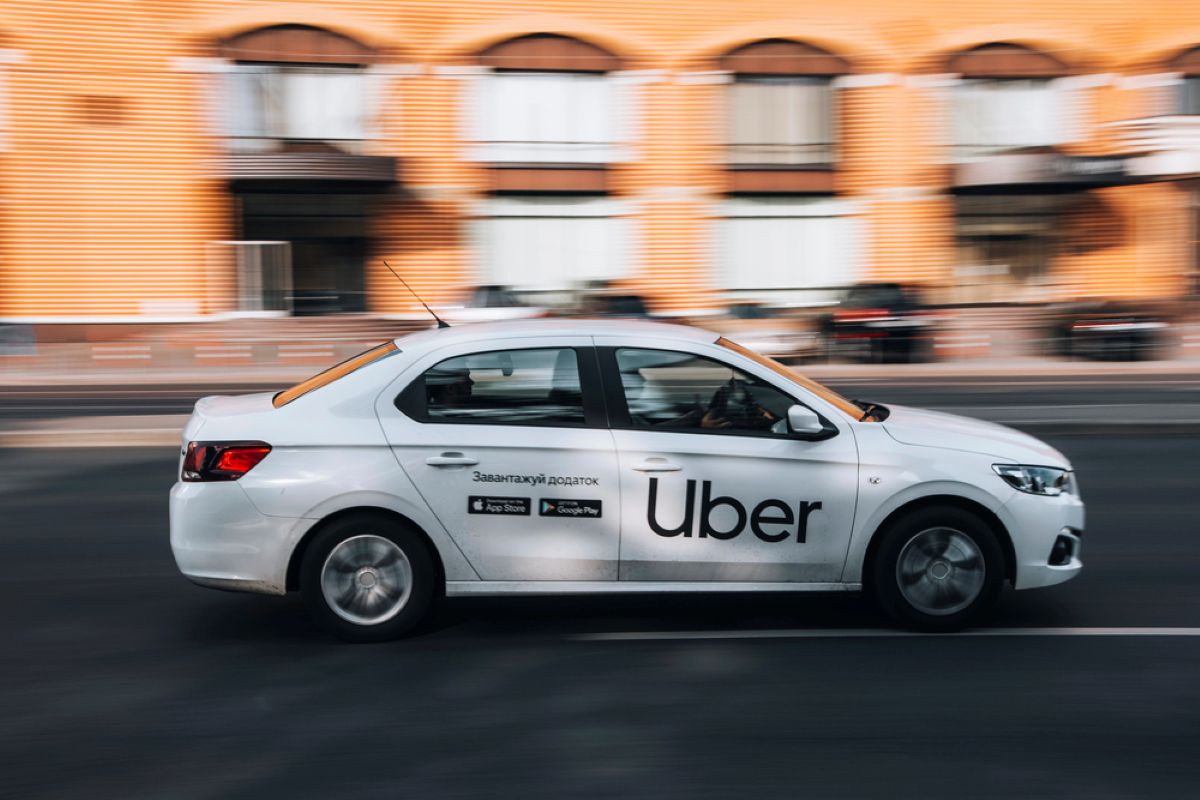
Data is the new oil, and Uber just announced plans to drill everywhere. The ride-hailing giant is deploying 500 sensor-equipped Hyundai Ioniq 5 electric vehicles across global cities, each one a rolling data collection center designed to feed the hungry algorithms of robotaxi companies like Waymo, WeRide, and Avride.
This isn’t your typical corporate fleet announcement. Each Ioniq 5 carries:
- 14 cameras
- 8 solid-state lidar sensors
- 9 radar units
These essentially turn them into mobile surveillance stations that capture 360-degree views of urban traffic. The vehicles process everything through Nvidia’s Dual Drive Thor autonomous vehicle computer, collecting roughly 2 million miles of high-fidelity driving data monthly once the fleet reaches full deployment.
Built through a partnership with Roush Performance, these modified electric vehicles represent a significant investment in data infrastructure that could reshape how autonomous vehicles learn to navigate your city.
From Driver to Data Dealer
Uber pivots from building self-driving cars to selling the information that makes them possible.
Remember when Uber tried to build its own self-driving cars? After selling that division to Aurora in 2020, the company discovered something more valuable than robotaxis: the data that trains them. This new fleet represents Uber’s first vehicle assembly project since that strategic retreat, but with a completely different goal.
Through its AV Labs division, Uber now serves over 30 autonomous vehicle partners as a central data hub. Think of it as the Spotify of self-driving car training—instead of owning the music, you provide the platform everyone else needs. Uber CTO Praveen Neppalli Naga calls data the “bottleneck” in AV development, and his company plans to remove that constraint entirely.
The strategy makes business sense. Rather than competing directly with companies like Waymo in building robotaxis, Uber positions itself as the essential infrastructure layer that everyone needs to succeed.
Your Streets, Their Sensors
Privacy policies promise face blurring, but large-scale urban data collection raises bigger questions.
The first 50 vehicles hit public roads this summer, with full deployment throughout 2026. While Uber’s privacy hub outlines practices like blurring faces and license plates, the broader implications are harder to anonymize. Your daily commute becomes training material for algorithms that will eventually replace human drivers—a feedback loop that’s both fascinating and slightly dystopian.
The company has hinted at expanding data collection to regular driver vehicles, potentially turning millions of Uber cars into rolling sensor networks. That would create the most geographically diverse autonomous driving dataset ever assembled, but also transform urban mobility into a massive surveillance operation disguised as technological progress.
Uber already operates existing data-collection fleets that capture over 100,000 hours and millions of miles of footage across the US and Europe. This new initiative represents a significant scale-up of those efforts.
The autonomous future is coming either way. Uber’s betting that controlling the data pipeline matters more than owning the cars.