Those summer nights when a single mosquito ruins your sleep just became an engineering challenge. Computer vision specialist Steven Cheng reportedly built a DIY defense system that combines AI detection with laser targeting to automatically eliminate mosquitoes in his home—turning pest control into a real-time hunting operation.
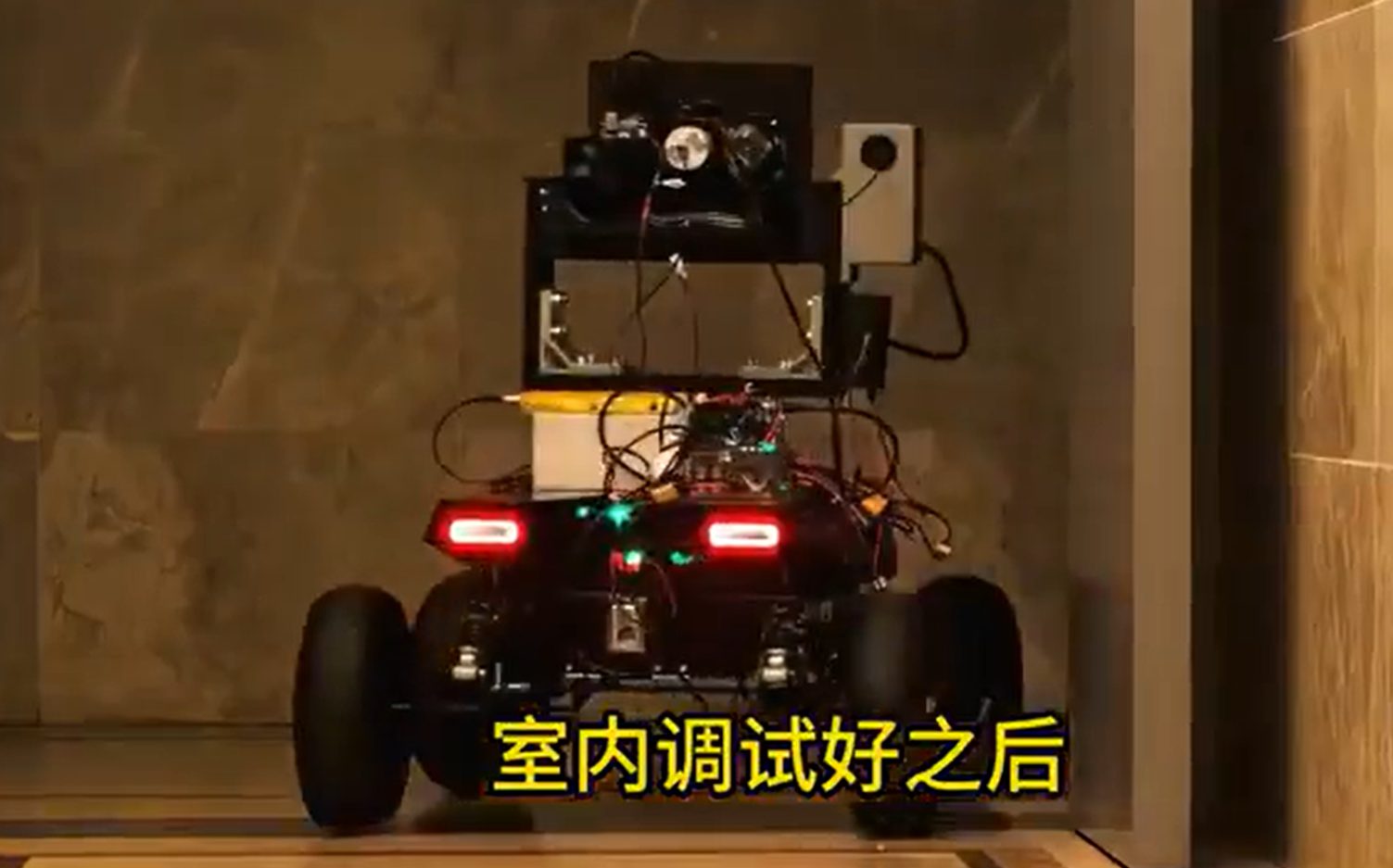
The setup reads like a sci-fi fever dream: a DSLR camera with high-magnification zoom lens supposedly captures training images of mosquitoes, which feed a custom deep learning model. Once trained to recognize the tiny targets, the system reportedly operates in a closed loop—detecting, classifying, and eliminating mosquitoes with precision laser strikes. Think Minority Report meets your bedroom ceiling fan.
Performance Metrics Meet Safety Protocols
Wide-angle monitoring systems prevent accidents while targeting individual insects.
This approach mirrors the commercial Photonmatrix device, which eliminates up to 30 mosquitoes per second within a 6-meter radius according to promotional materials. But unlike a typical maker project that prioritizes “does it work” over “will it blind someone,” Cheng’s build reportedly includes a second wide-angle camera dedicated to safety monitoring.
The safety camera allegedly scans for people, pets, and flammable materials before any laser fires. If potential hazards overlap with a target, the system supposedly disables automatically. That’s the kind of thoughtful engineering that separates impressive demos from dangerous ones—especially when you’re mounting precision lasers in living spaces.
Chemical-Free Pest Control Meets Maker Culture
Project represents broader shift toward AI-powered home automation and targeted elimination.
This project epitomizes the “build it because you can” ethos driving modern maker culture. Rather than passive bug zappers or chemical sprays, this approach creates active tracking that hunts individual insects with computer vision accuracy. It’s TikTok-worthy spectacle meeting genuine practical application.
The broader implications extend beyond pest control. As AI sensing, edge computing, and precision hardware become more accessible, expect more niche home automation devices that tackle specific annoyances with surgical precision.
Your mosquito problems probably don’t justify building a laser defense grid—yet. But projects like this showcase how combining multiple cutting-edge technologies can transform even mundane household frustrations into compelling engineering demonstrations, even as safety questions around consumer laser devices and regulatory compliance remain significant hurdles for any commercial version.