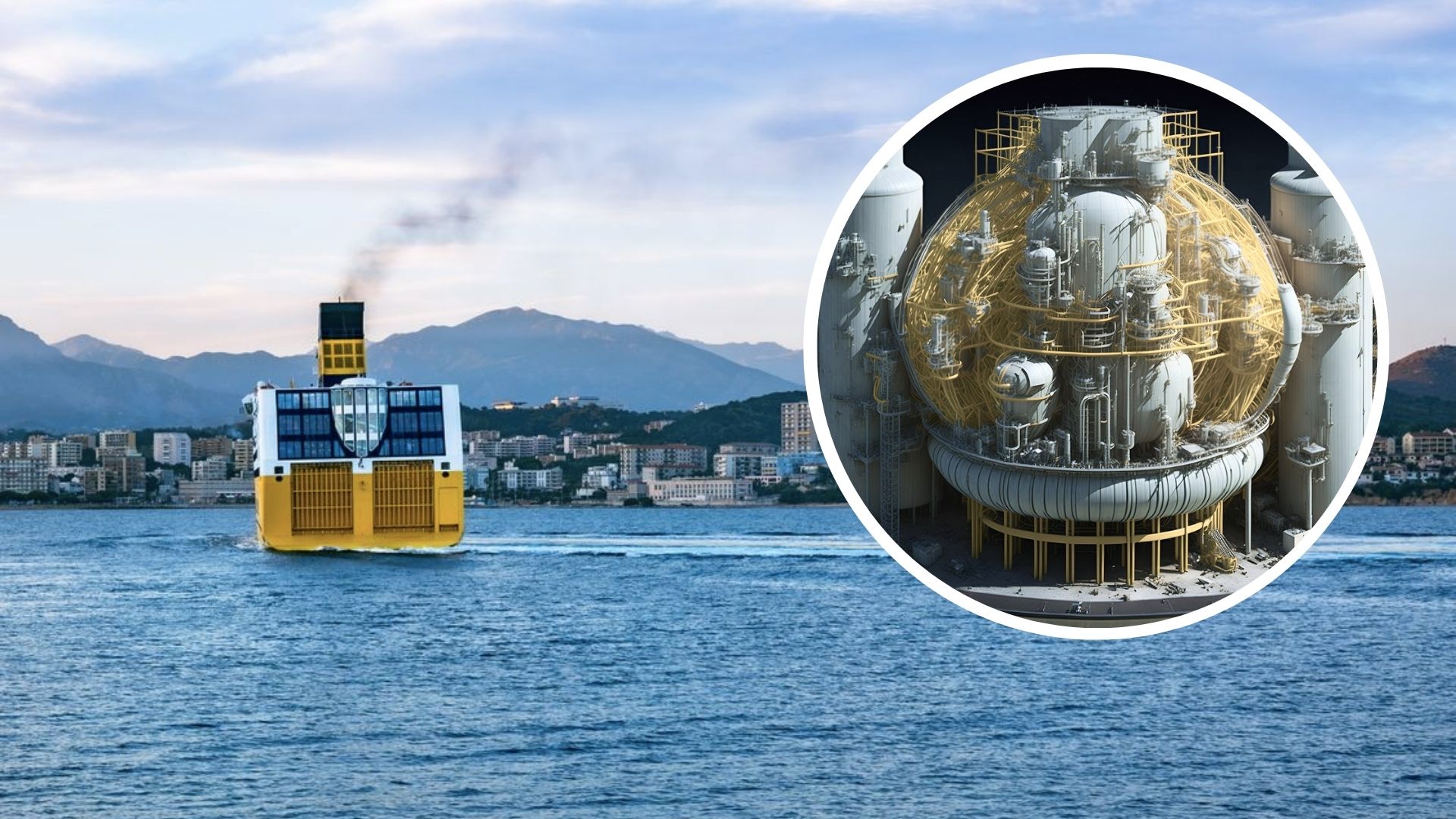
Those postcard-perfect Greek islands running on expensive oil generators might soon get a very different kind of power source. A new feasibility study suggests floating nuclear plants could replace the fossil fuel addiction that’s been bleeding island budgets dry for decades.
Study Finds No Major Roadblocks
The Deon Policy Institute, working with American Bureau of Shipping, Core Power, and Athlos Energy, just published Greece’s first comprehensive study on floating nuclear power plants. Their verdict? No fundamental technical or institutional barriers exist. George Laskaris, Deon’s president, calls these maritime reactors “not a distant or purely theoretical option” — more like an engineering problem with a clear solution timeline.
Small Reactors, Big Maritime Opportunity
These aren’t the massive concrete cooling towers that dominated twentieth-century nuclear imagery. Floating nuclear power plants use small modular reactors built in factories, then transported by ship to wherever you need them. For Greece — a maritime powerhouse with reviving shipyards — this represents serious economic opportunity. About 75% of total project value lies in the “balance of plant”: hulls, marine systems, and auxiliary equipment that Greek companies already know how to build.
Russia Already Proves the Concept Works
While Greece debates possibilities, Russia’s Akademik Lomonosov has been generating power in the harsh Arctic since 2019. The floating plant serves the remote port of Pevek, proving that ship-based nuclear generation works commercially under extreme conditions. Core Power estimates a first Greek deployment could happen around 2035-2040, assuming regulatory frameworks catch up to the technology.
Nuclear Anxiety Meets Island Reality
Here’s where things get complicated. Greeks remain relatively skeptical about nuclear power, though floating plants poll slightly better than land-based reactors. Critics worry about maritime accidents and extreme weather risks at sea. But island residents paying premium prices for oil-fired electricity might calculate those risks differently than mainland Greeks.
Patrick Ryan from ABS notes the study findings “shed important light on how FNPPs can be assessed and integrated within existing frameworks.” The bigger question isn’t whether floating nuclear plants work — they demonstrably do. It’s whether Greece can build the political, regulatory, and social foundations needed to deploy them responsibly. For islands currently burning expensive fossil fuels while tourists post sunset photos, that conversation just became a lot more urgent.