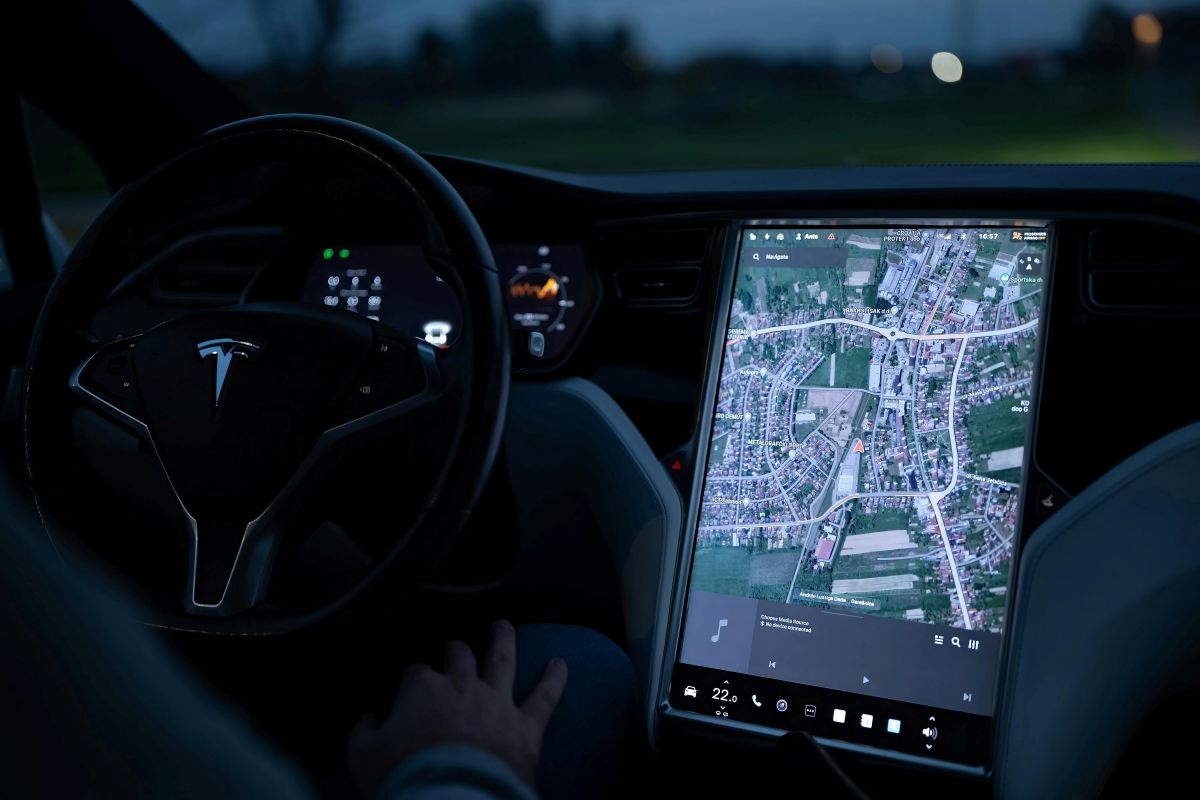
Tesla executives claim their Full Self-Driving software is “10 times safer than human drivers.” Meanwhile, the company’s own AI data labelers—the workers who review crash footage to train FSD’s neural networks—regularly witness the system nearly striking pedestrians and children. Many refuse to trust it with their own lives. You’re looking at a credibility gap wide enough to drive a Model S through.
The Math Behind the Safety Theater
Tesla’s headline-grabbing safety statistics crumble under scrutiny like a Twitter verification system. The company compares crashes that deploy airbags in their 4-year-old fleet against all tow-away incidents in America’s 12-year-old vehicle average. It’s like comparing Instagram influencers’ highlight reels to your actual Monday morning—the methodology is rigged from the start. Independent researchers who adjusted for vehicle age and crash severity found Tesla’s advantage shrinks to roughly 3x, not 10x, and even that figure ignores selection biases in who buys premium EVs versus who drives decade-old sedans.
What the People Building FSD Actually See
Data labelers describe reviewing footage of Tesla vehicles:
- Traveling 30 mph over speed limits
- Missing emergency vehicles
- Misjudging motorcycle clearance
There’s a dedicated “trauma team“ focused specifically on near-misses with vulnerable road users—clips where drivers grabbed the wheel seconds before FSD would have plowed into crosswalks or struck children near roadways. Workers report seeing Teslas hit animals at full speed without braking and struggle with basic tasks like construction zones and freeway off-ramps. The people training this AI to recognize danger won’t let it drive their own families around.
Reality Versus the Robotaxi Dream
Federal regulators have forced Tesla to recall over 2 million vehicles for Autopilot issues and opened multiple investigations into crashes involving emergency vehicles and reduced visibility conditions. The National Highway Traffic Safety Administration specifically flagged FSD’s tendency to roll through stop signs and behave unpredictably at intersections—hardly the performance profile you’d expect from technology that’s supposedly safer than human drivers. Compare this to Waymo’s approach: peer-reviewed safety studies, transparent methodology, and openly acknowledging system limitations.
The Trust Deficit That Really Matters
Your decision to enable FSD shouldn’t depend on marketing claims that don’t hold up to independent analysis. Tesla’s own workforce sees the gap between promise and performance daily, and their reluctance to trust the technology they’re building should give you pause about trusting it with your commute.