Electricity costs are climbing faster than a cat up a curtain, and running AC feels like feeding dollar bills to a hungry dragon. Fortunately, science offers several low-cost cooling methods that can significantly drop indoor temperatures without torching your budget. These techniques range from ancient wisdom validated by modern labs to simple physics tricks using stuff you already own. By understanding how evaporative cooling, reflective barriers, and thermal mass work—and crucially, how they combine—you can transform your home into a cooler sanctuary while giving your wallet a break.
5. Swamp Cooler (DIY Evaporative Cooler)
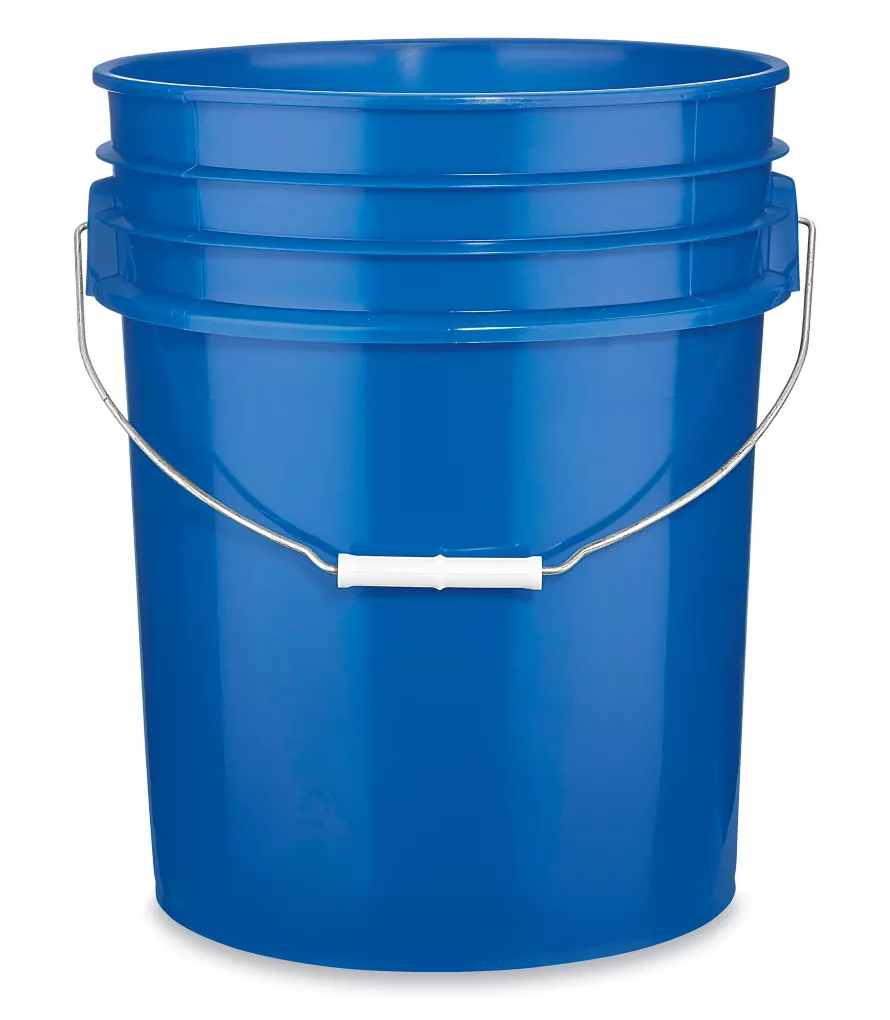
This bucket-based system can drop room temps by 10°F in dry climates.
Anyone who’s wrestled with summer heat knows desperation breeds creativity. This DIY marvel uses a 5-gallon bucket, strategic holes, and a fan pushing air through water-soaked cloths. Evaporation grabs heat from passing air, delivering a cooler breeze that feels like having a personal weather system.
The catch? This method thrives in arid conditions. If your air already feels like a damp dishrag, skip this trick. But in dry climates, covering 90 square feet, it’s a testament to how simple evaporative cooling can provide substantial relief without breaking the bank.
4. Zeer Pot (Pot-in-Pot Cooler)
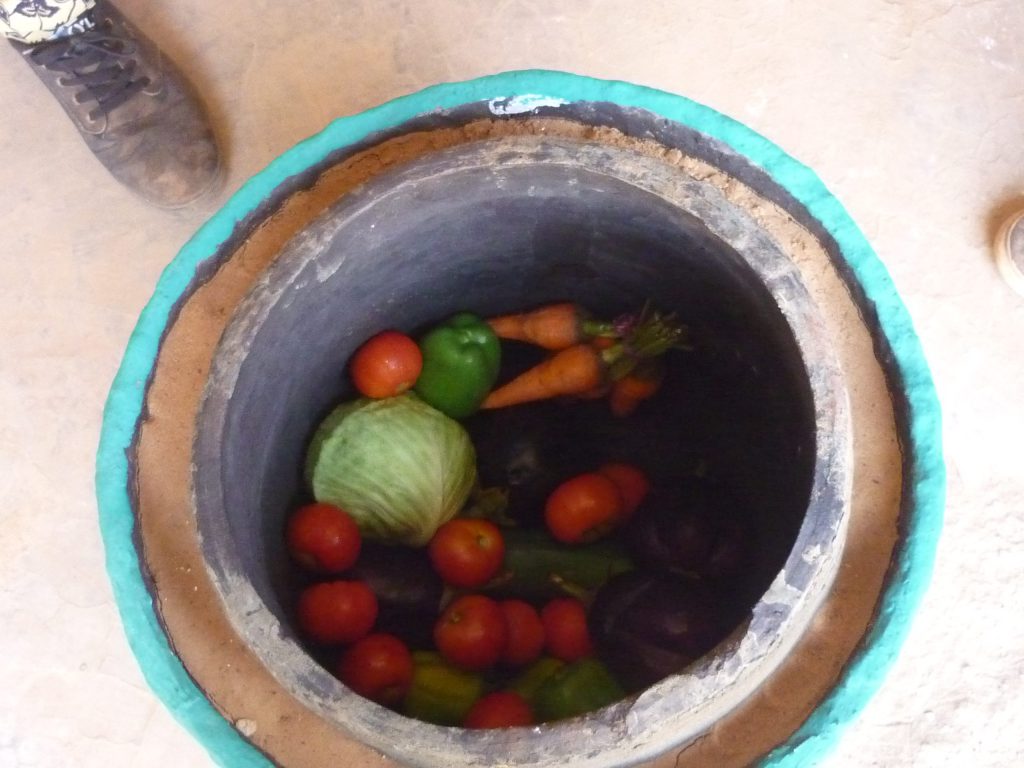
This ancient Egyptian technique keeps produce fresh for 27 days using only clay and sand.
Two unglazed clay pots, one nested inside the other with wet sand between them, topped with a damp cloth. Water evaporates through the outer pot’s porous surface, pulling heat from the inner chamber. This setup can drop temperatures by 8-18°C while using just 1.96 liters of water daily.
MIT D-Lab trials validated what ancient civilizations knew: evaporation creates powerful cooling. Where tomatoes typically last two days in open air, a Zeer pot extends freshness to nearly a month. It’s sustainability without needing a single plug or monthly subscription.
3. Cool Roof (Reflective Roof Coating)
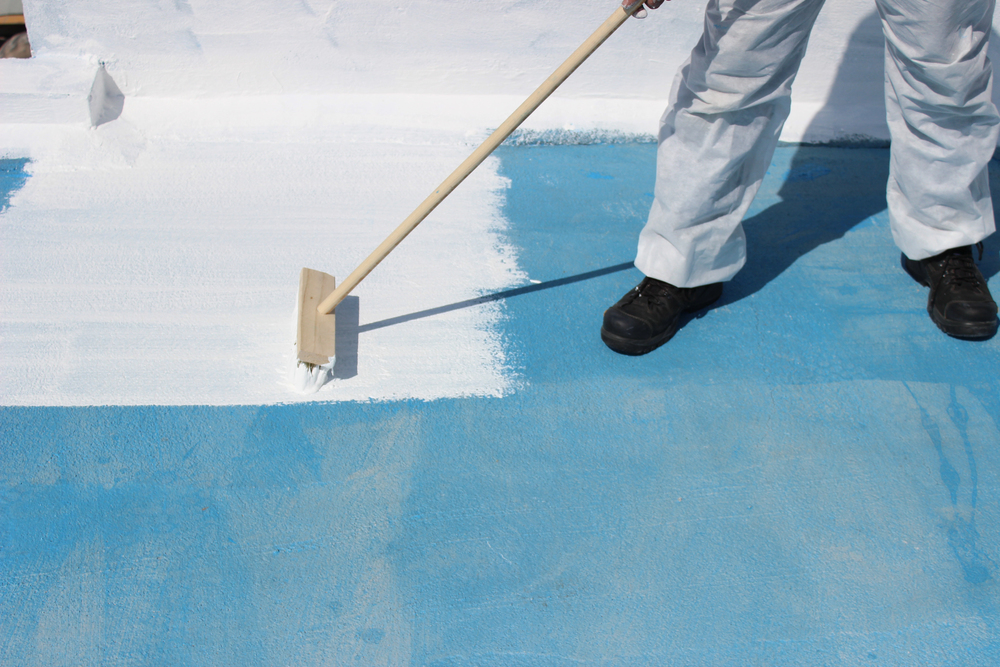
White paint can slash your roof temperature by over 50°F compared to dark surfaces.
Dark roofs hit a blistering 150°F on sunny days, essentially slow-cooking your house. Cool roofs with high solar reflectance paints—especially white ones reflecting 60-90% of sunlight—stay over 50°F cooler. Even basic white paint cuts heat transfer by 66%.
Studies from Senegal showed roof temperatures dropping 15-31°C, while Sicily residents saved 54% on cooling costs. UCLA’s “super white” paint reflects 98% of solar radiation, lowering indoor temps by 3.3°C without AC. Sometimes the simplest solutions pack the biggest punch.
2. Window Shading (Reflective Barriers/Exterior Shades)
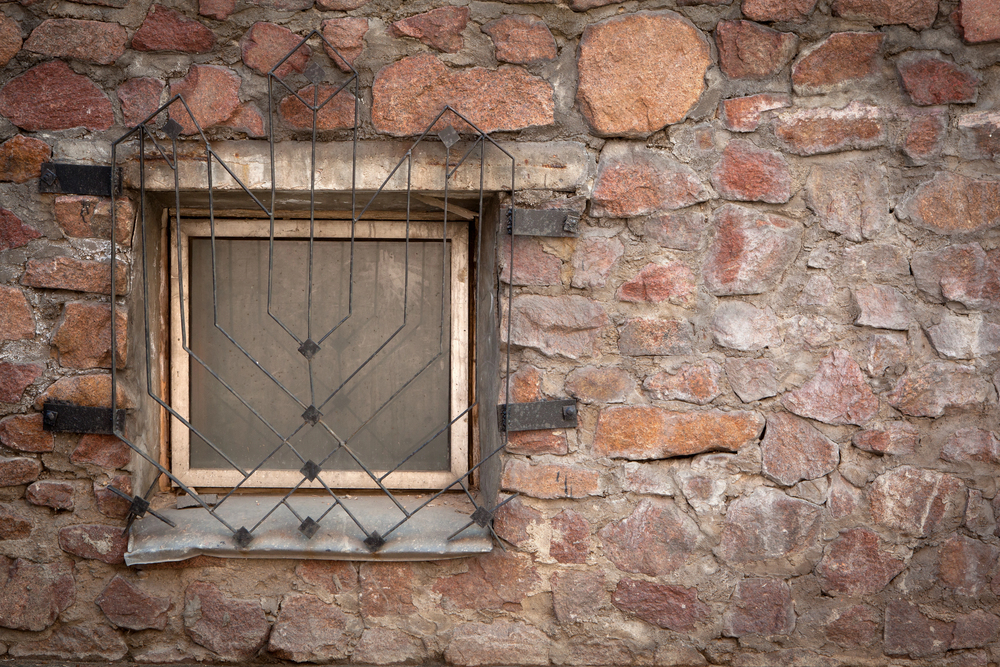
Stop heat at the source—exterior shading blocks up to 99% of solar gain.
A single west-facing window on a blazing afternoon dumps as much heat as a small electric heater. Exterior shading prevents solar energy from entering entirely, unlike interior treatments that let glass heat up first. Reflective films, awnings, or even foil-covered cardboard create a heat-rejecting barrier.
This approach offers the highest ROI among cooling interventions. Shade cloth, fast-growing vines, or simple exterior panels work like giving your windows a stylish fedora that stops solar assault before it begins.
1. Thermal Mass and Night Flushing

Turn your home’s concrete and brick into a giant battery for cool night air.
Dense materials like concrete, brick, and water store temperature like thermal batteries. Open windows and doors from 10 p.m. to sunrise, using fans for cross-ventilation to “charge” your home’s mass with cooler air. This can lower indoor temps more than 3°C below outdoor night air.
Seal everything tight before sunrise to trap the stored coolness. Throughout the day, thermal mass absorbs incoming heat, smoothing wild temperature swings. Ceiling fans triple this effectiveness, turning your house into a surprisingly clever thermostat that works while you sleep.