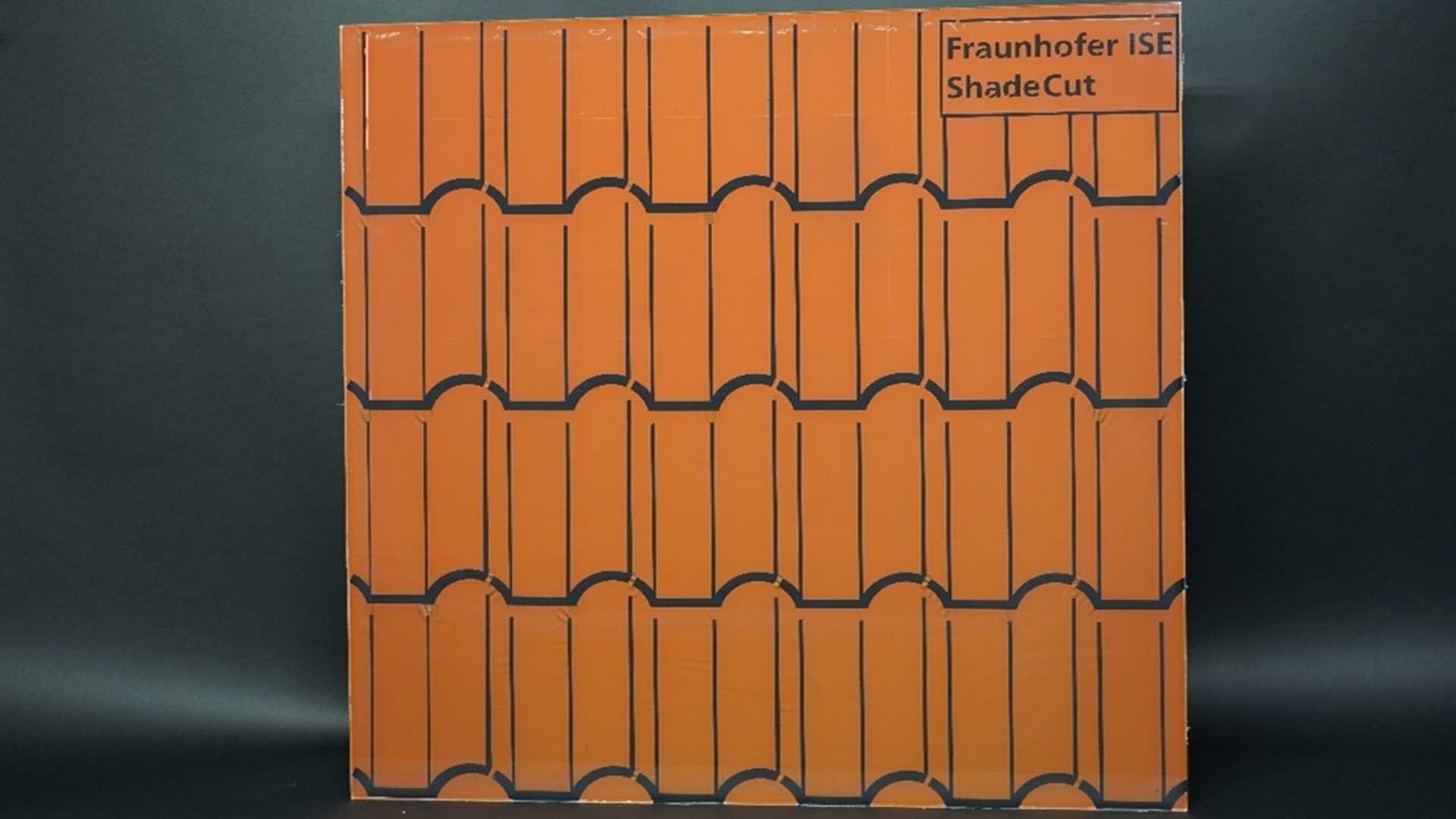
Traditional black solar panels clash with your home’s architecture like wearing gym shoes to a wedding. German researchers at Fraunhofer ISE just solved this decades-old problem with ShadeCut technology—solar panels that perfectly mimic roof tiles, masonry, or custom patterns while retaining 95% of their original power output. You no longer have to choose between clean energy and curb appeal.
Butterfly Wings Inspire Solar Breakthrough
The breakthrough builds on MorphoColor coating, inspired by the iridescent wings of Morpho butterflies. Instead of using traditional pigments that block sunlight, microscopic 3D photonic structures manipulate light to create vivid colors. Think of it as solar panels wearing camouflage that actually works—your neighbors might never realize you’ve gone solar.
The technology works by structuring and cutting specialized color-producing films that embed directly into photovoltaic modules. Multiple layers with precision cutouts can create intricate patterns or additional color effects, transforming utilitarian solar equipment into architectural elements.
Historic Districts Can Finally Go Solar
Dr. Martin Heinrich from Fraunhofer ISE explains the technology is “particularly interesting for modules intended for integration into facades, roof-integrated PV, or even railings, especially on historic buildings.” Historic preservation boards that once banned solar installations outright may finally approve systems that blend seamlessly with period architecture.
The customization possibilities extend beyond simple color matching. Dr. Marco Ernst, who developed ShadeCut, notes the team can embed “color effects and complex patterns directly into solar modules and facades” by structuring and cutting specialized films. Panels can perfectly replicate slate, terra cotta, or even custom brick patterns specific to regional architectural styles.
Competition Heats Up for Aesthetic Solar
ShadeCut enters a competitive landscape where companies like Paxos Solar already offer glass-glass photovoltaic tiles generating 44 watts per tile, while the EU-funded TilePlus project promises roof tiles with embedded PV technology. Each approach tackles the same fundamental challenge—making solar generation invisible.
The technology debuts at Intersolar Europe 2026 in Munich, the solar industry’s premier showcase. Unlike competitors focused solely on tile replacement, ShadeCut’s pattern-cutting approach works with existing panel formats while maintaining near-standard efficiency levels.
Aesthetics No Longer Block Clean Energy
You’ve probably driven through neighborhoods where solar panels stick out like digital billboards on historic buildings. ShadeCut eliminates this visual friction by making renewable energy generation architecturally neutral—or even enhancing existing design elements.
The 95% efficiency retention means you’re not sacrificing meaningful power output for appearances. For homeowners in design-conscious communities or historic districts, this technology transforms solar from an aesthetic compromise into an invisible upgrade that actually works.