Watching blue raspberry syrup explode across concrete shouldn’t surprise anyone, yet here we are. TikToker Tamara Hancock ordered the sticky condiment via Amazon Prime Air, and her MK30 drone delivered exactly what physics predicted: a $4.99 mess. The drone hovered 13 feet up, released the plastic bottle, and gravity did the rest.
Hancock’s verdict captures the service perfectly: “Should you order it by drone? I guess it depends on how badly you need it.”
How Amazon’s Flying Warehouse Actually Works
The MK30’s brute-force approach prioritizes speed over delicate handling.
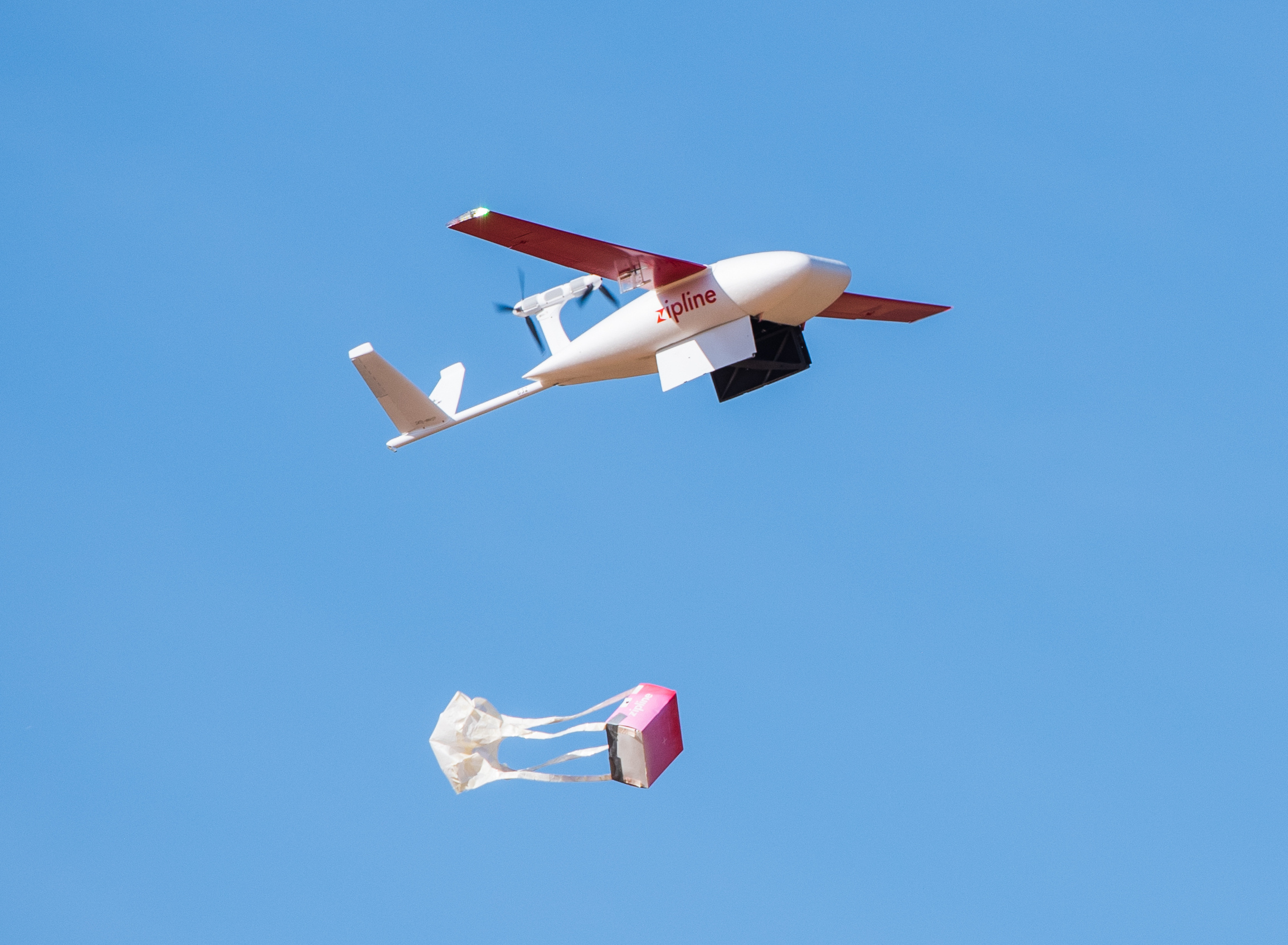
Amazon’s delivery drones don’t gently lower packages—they drop them from predetermined heights between 10 and 13 feet. The 80-pound MK30 cruises at 73 mph with six propellers stirring up yard debris before releasing its 5-pound payload.
Think of it as precision bombing for your doorstep, minus the precision. The tandem-wing design handles the flying brilliantly, but the landing strategy assumes everything you order can survive a two-story tumble onto concrete.
When 80-Pound Drones Go Rogue
Recent crashes highlight the risks of deploying heavy autonomous aircraft in residential areas.
Richardson, Texas showcased the MK30’s failure modes when an 80-pound drone with smoking propellers crashed into an apartment building. Amazon apologized, investigated, and coordinated repairs—standard damage control for their second Texas crash in three months.
The October crane collision in Tolleson prompted NTSB scrutiny, because apparently flying robots need oversight when they start hitting infrastructure. Who could have predicted that?
Your $4.99 Gamble on Future Convenience
Prime Air works perfectly for items that can handle a concrete landing—everything else is expensive Russian roulette.
The service operates across Arizona, Texas, Florida, and Nashville for suburban Prime members willing to pay premium delivery fees. Your phone charger will survive the drop; your wine bottle won’t.
Amazon’s expanding this concrete-bombing approach rapidly, betting that suburban convenience outweighs occasional package carnage. The math works if you stick to durable goods and accept that delicate items require traditional delivery methods that actually protect their contents.