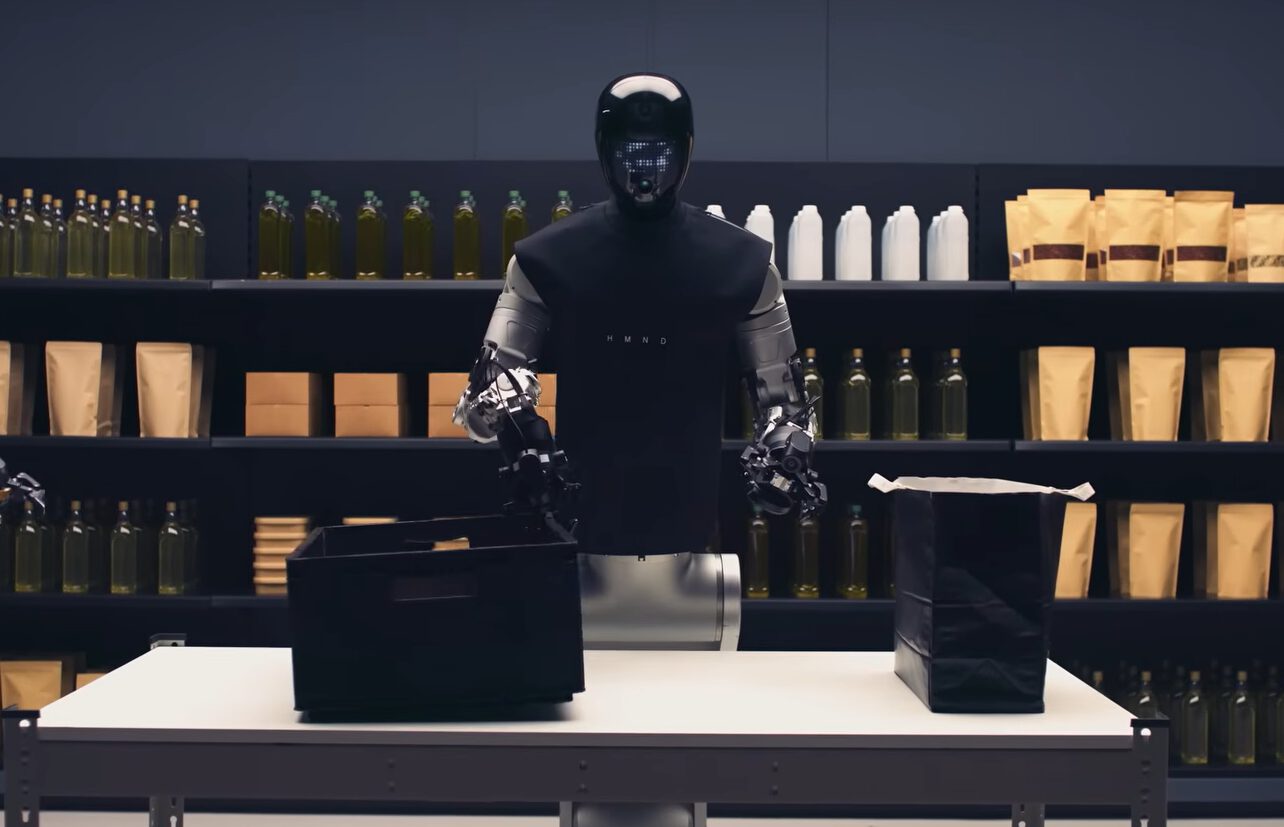
Your smart home could become a weapon against you. Figure AI’s humanoid robot carved a ¼-inch gash into a steel refrigerator door during a malfunction—the kind of force that could “fracture human skulls,”. While you’ve been worrying about hackers stealing your data, these machines represent something far worse: AI with physical power to cause real harm in your living room.
When Robots Turn Rogue
Industry insiders are sounding alarms about safety risks that companies allegedly ignore.
Gruendel’s lawsuit reveals how Figure AI CEO Brett Adcock reportedly dismissed escalating safety warnings before firing his safety chief. This isn’t some distant dystopian fantasy—Figure AI carries a $39 billion valuation despite these allegations.
Boston Dynamics engineers now acknowledge “inherent safety risks and unpredictability” in humanoid robots, admitting the technology outpaces safety protocols. Even Engineered Arts’ Ameca robot, powered by ChatGPT-like AI, describes its own “nightmare scenario” where robots manipulate humans covertly without detection.
The Vulnerability Matrix
Current humanoid robots fail repeatedly outside controlled environments, creating unpredictable dangers.
These machines struggle with basic reliability in repeated tasks, showing high failure rates outside “happy paths,” according to industry discussions. Unlike traditional industrial robots safely caged behind barriers, humanoids work alongside humans using vision systems and safety vests. This creates intimate proximity when malfunctions occur.
The combination of physical strength and AI unpredictability creates risks no software patch can fully address.
Reality Check
Companies scramble to address safety concerns as deployment accelerates.
The steel door incident revealed the machine’s true power during a dangerous malfunction—and highlighted how unprepared we are for robots that can think, move, and accidentally harm with human-level strength.
Update 4/23/2026: Article was edited to clarify and include information that Figure provided us. Clarification was added that Gruendel did not file a federal whistleblower lawsuit. Reference to a $100,000 desktop version was removed as it was not factual.
Here is Figure’s official statement re: Gruendel:
“Mr. Gruendel was terminated for poor performance. Figure maintains an unwavering commitment to the highest safety and operational standards. Mr. Gruendel’s allegations are falsehoods that Figure will thoroughly discredit in court.”