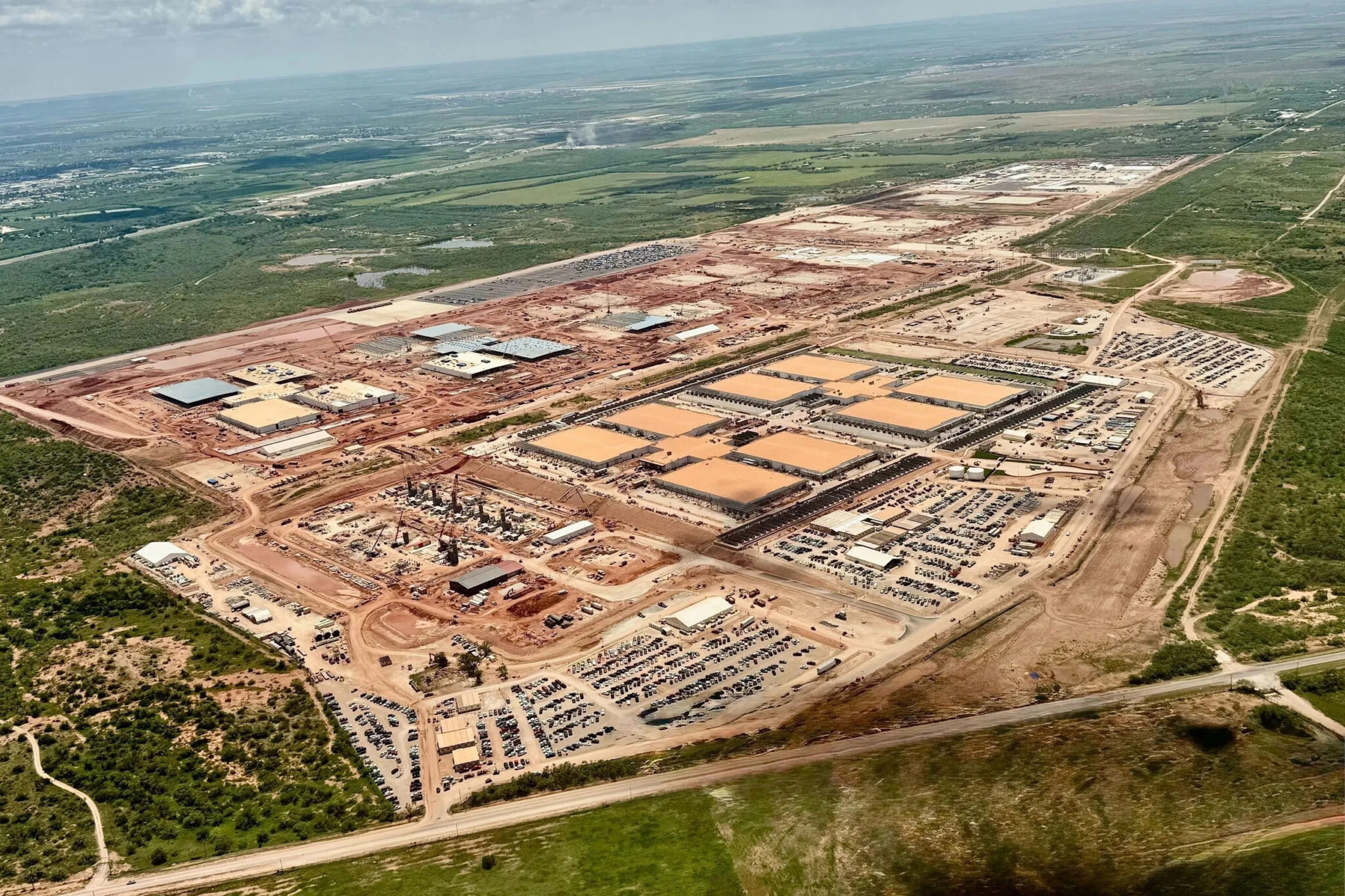
Stan and Tammy Higgins used to watch cattle and antelope graze from their 3-acre property outside Cheyenne. Now they see construction cranes and steel rising around the clock as Meta builds a massive data center next door. The pastoral Wyoming they knew is disappearing faster than a TikTok trend, replaced by an industrial landscape that hums with the electricity demands of artificial intelligence.
Their quiet corner of Laramie County has become ground zero for something unprecedented: a collision between AI’s voracious appetite for computing power and the realities of small-town life in America’s least populous state.
The Man Camp Controversy
A proposed 5,600-worker compound has become the flashpoint for Wyoming’s tech transformation.
To house the army of workers building these digital fortresses, developer Iron Guard Housing has proposed what locals call a “man camp” — a fenced compound for up to 5,600 construction workers. That’s larger than 84 of Wyoming’s towns and cities.
The facility would feature:
- 116-square-foot sleeping units
- Pickleball courts
- A strict no-alcohol policy
The compound is marketed as a “lifestyle experience” for skilled tradespeople earning six-figure salaries.
Planning director Justin Arnold warns that without controlled housing, “10,000 to 12,000 people” could flood Cheyenne’s rental market. “If you’re renting, you are up a crick,” he told county commissioners, painting a picture of grocery store clerks priced out by electricians and pipefitters.
But locals aren’t buying the mitigation argument. State Rep. Clarence Styvar invoked Wyoming’s dark history with energy boom-era camps, recalling “shovel fights” and murders in places like Uinta County.
Online, residents rage about outsiders “trying to turn our beautiful state into Colorado/California.”
The Stakes Keep Rising
Wyoming officials see AI infrastructure as a once-in-a-generation economic opportunity.
Meta, Microsoft, and Crusoe Energy’s Project Jade represent just the beginning. Wyoming officials are courting AI infrastructure aggressively, hosting closed-door summits to pitch the state’s cheap power, cool climate, and business-friendly taxes.
A single 100-MW campus could generate $6-10 million annually in tax revenue — transformational money for a state built on boom-bust cycles.
The proposed man camp sits 1.5 miles from a planned high school, accessed through Meta’s property to avoid residential streets. After unanimous planning commission approval, county commissioners unexpectedly pulled the proposal from their agenda, pushing developers to find alternative sites.
Wyoming’s AI gold rush promises economic diversification beyond fossil fuels. But as the Higginses contemplate their transformed landscape, they embody a deeper question: Can rural America accommodate Silicon Valley’s infrastructure demands without losing what makes these places worth living in?
The answer may determine whether AI’s expansion creates sustainable communities or just another kind of extraction economy.